
Creating a Google email address—more commonly known as a Gmail account—is one of the most essential digital steps for personal and professional communication. With over 1.8 billion users worldwide, Gmail offers seamless integration with Google Drive, Calendar, Meet, and other productivity tools. But beyond convenience, security must be a top priority from day one. A poorly configured account can expose you to phishing, data leaks, or unauthorized access. This guide walks you through every stage of setting up your Gmail account with clarity, control, and confidence.
Why Your Gmail Setup Matters More Than You Think
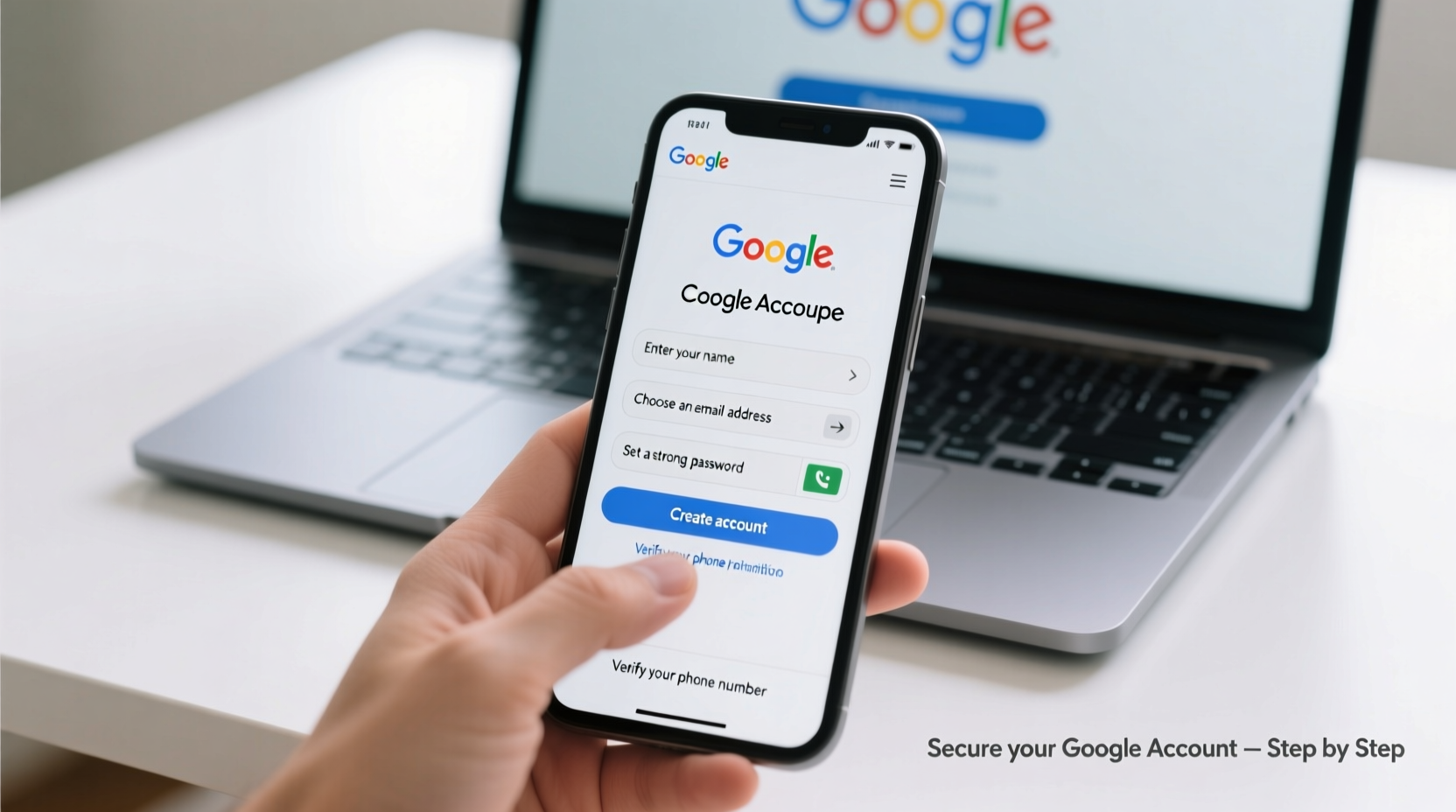
A Gmail account is often the gateway to your digital identity. It’s used not only for emails but also to register for banking apps, social networks, cloud storage, and government services. If compromised, attackers could reset passwords across multiple platforms using password recovery links sent to your inbox. That’s why setting up your account correctly from the start—with strong authentication, accurate recovery options, and smart privacy settings—is critical.
“Over 60% of data breaches begin with compromised email credentials. A secure setup isn’t optional—it’s foundational.” — Dr. Lena Patel, Cybersecurity Researcher at Stanford University
Step-by-Step: Creating Your Gmail Account
Follow this clear sequence to create your Gmail account without confusion or risk.
- Visit the Gmail sign-up page: Go to mail.google.com and click “Create account.” Select “For myself” unless you’re setting up a business profile.
- Enter your name: Provide your first and last name. This will appear when you send emails. You can change it later under Settings.
- Choose a username: This becomes your @gmail.com address. Use a variation of your real name if possible (e.g., john.smith.2025@gmail.com). Avoid sensitive info like birth years or ID numbers.
- Create a strong password: Use at least 12 characters with uppercase, lowercase, numbers, and symbols. Never reuse passwords from other accounts.
- Add a recovery phone number and email: Google will ask for one or both. These are crucial for regaining access if locked out. Choose a trusted mobile number that you’ll keep long-term.
- Verify your phone: Enter the SMS code sent to your device. This confirms ownership and strengthens account recovery.
- Provide your birthday and gender: Required for account policies. Only share what’s necessary; this data won’t be public.
- Agree to Google’s Terms of Service and Privacy Policy: Review them briefly. You can adjust data-sharing preferences later in your Google Account settings.
- Complete setup: Click “Next,” and your inbox will load for the first time.
Essential Security Settings to Enable Immediately
Your work doesn’t end after signing up. The next few minutes are vital for locking down your account.
Turn On Two-Factor Authentication (2FA)
2FA adds a second layer of protection beyond your password. Even if someone steals your password, they can’t log in without the second factor—usually a code from your phone or an authenticator app.
- Go to myaccount.google.com
- Navigate to “Security” > “2-Step Verification”
- Follow prompts to set up SMS codes, Google Authenticator, or a physical security key
Review Recovery Options Regularly
If you lose access, Google uses your recovery email and phone to help regain entry. Keep these updated—especially if you change phones or deactivate old email addresses.
Use App Passwords for Non-Google Apps
If you connect third-party apps (like Outlook or Thunderbird), generate an app-specific password instead of using your main password. This limits exposure if the app is breached.
Enable Security Checkup
Google offers a built-in Security Checkup tool that scans your account for vulnerabilities. Run it monthly. It checks for weak passwords, inactive devices, and suspicious permissions.
Do’s and Don’ts When Setting Up Gmail
| Do’s | Don’ts |
|---|---|
| Use a unique, complex password | Reuse passwords from other sites |
| Enable two-factor authentication | Rely solely on SMS for 2FA (consider more secure methods like authenticator apps) |
| Verify recovery contact details | Use a temporary or shared phone number |
| Check “Last account activity” regularly | Ignore login alerts from unknown locations |
| Review third-party app access monthly | Grant full account access to untrusted apps |
Real Example: How One User Lost Access—and Got It Back
Sophie, a freelance writer, created her Gmail account three years ago using an old mobile number. She never enabled 2FA. When she upgraded her phone and changed carriers, she lost access to that number. After accidentally entering the wrong password too many times, her account was locked. Without recovery options, she couldn’t reset it.
She spent hours on Google’s recovery form, answering questions about her last login, contacts, and past emails. Because she had previously backed up her data and remembered key details, Google restored access after 48 hours. Today, she uses a dedicated recovery email, a password manager, and a hardware security key.
Her experience underscores a simple truth: prevention beats recovery. Taking five extra minutes during setup saves days of frustration later.
Checklist: Secure Gmail Setup in 7 Steps
- ✅ Create a strong, unique password using a mix of letters, numbers, and symbols
- ✅ Choose a professional, recognizable username
- ✅ Add a current, personal phone number for recovery
- ✅ Set up two-factor authentication using Google Authenticator or a security key
- ✅ Designate a backup recovery email (not linked to the same provider)
- ✅ Run Google’s Security Checkup within 24 hours of creation
- ✅ Install the Gmail app on your smartphone for faster notifications and verification
Frequently Asked Questions
Can I change my Gmail username after creating the account?
No. Once you create a Gmail address, the username (before @gmail.com) cannot be changed. You can update your display name, but the email itself remains permanent. Choose carefully during setup.
Is it safe to use Gmail for sensitive communications?
Gmail uses industry-standard encryption in transit (TLS) and at rest. However, for highly sensitive messages (legal, medical, financial), consider additional end-to-end encryption tools like PGP or using Google Workspace with enhanced controls. Never send unencrypted Social Security numbers or passwords via email.
What should I do if I suspect my account has been hacked?
Immediately go to accounts.google.com, review recent activity, sign out all other sessions, change your password, and run the Security Checkup. If you can’t log in, use Google’s account recovery process at accounts.google.com/signin/recovery.
Final Thoughts: Build Security Into Your Digital Foundation
Your Gmail account is more than just an inbox—it’s a central hub for your online life. Whether you're applying for jobs, managing finances, or staying in touch with family, a secure setup ensures your information stays private and accessible only to you. The steps outlined here take less than 20 minutes but provide lasting protection against common threats.




 浙公网安备
33010002000092号
浙公网安备
33010002000092号 浙B2-20120091-4
Comments
No comments yet. Why don't you start the discussion?