
Living sustainably doesn’t require a large income or a complete lifestyle overhaul. In fact, reducing waste in the kitchen can actually save you money over time. A low waste kitchen is not about perfection—it’s about making mindful choices that reduce environmental impact while staying within financial limits. With rising grocery costs and growing awareness of plastic pollution, many people are turning to low waste practices as both an economic and ecological solution. This guide breaks down how to begin building a low waste kitchen without straining your wallet.
Why Start a Low Waste Kitchen?
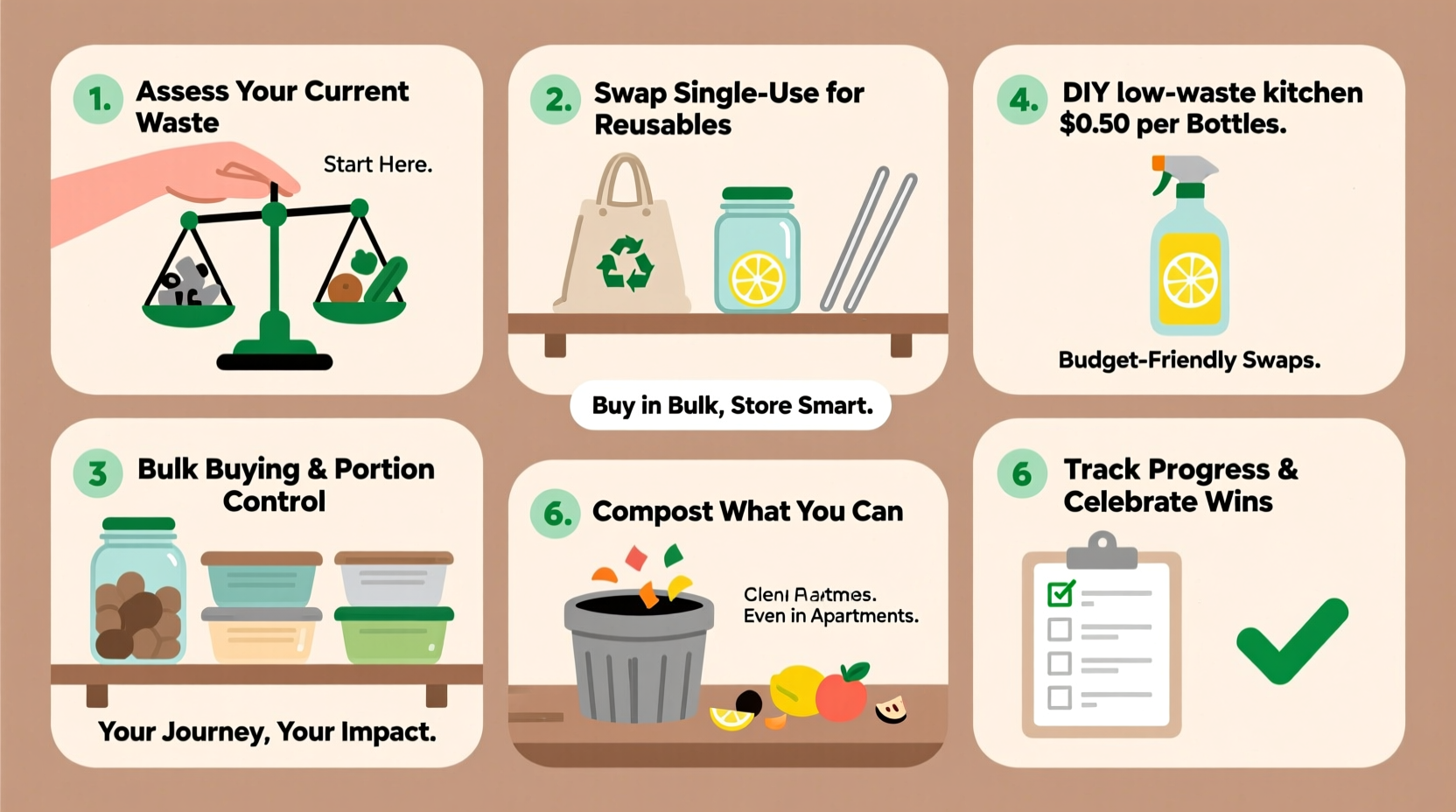
A typical American household generates over 1,000 pounds of food waste annually, much of it originating in the kitchen. Beyond food, single-use packaging contributes significantly to landfill volume and carbon emissions. Transitioning to a low waste kitchen helps mitigate this impact by prioritizing reuse, thoughtful consumption, and resourcefulness. The added benefit? You’ll likely spend less on groceries and disposables over time.
According to the U.S. Environmental Protection Agency, nearly 24% of landfill material comes from containers and packaging. By cutting down on packaged goods and avoiding food spoilage, households can make a measurable difference. And contrary to popular belief, doing so doesn’t require expensive compost bins, specialty products, or bulk store memberships.
“Sustainability isn’t about buying more eco-friendly things—it’s about buying less and using what you have wisely.” — Dr. Lara Shapiro, Sustainable Living Researcher, University of Vermont
Step-by-Step Plan to Build a Low Waste Kitchen
Starting small ensures long-term success. Focus on gradual changes that fit your current routine and budget. Here’s a realistic, five-phase timeline to help you transition over several weeks.
Week 1: Audit Your Current Waste
- Keep a log of all kitchen trash for seven days—note food scraps, packaging, and disposable items.
- Categorize waste: spoiled food, plastic wrappers, paper towels, takeout containers, etc.
- Identify the top three sources of waste (e.g., bread going stale, produce rotting, coffee pods).
Weeks 2–3: Reduce Single-Use Items
- Replace paper towels with cloth rags cut from old t-shirts or worn-out linens.
- Switch to a reusable water bottle and coffee cup—use them even at home to avoid bottled water or disposable mugs.
- Start carrying reusable shopping bags; keep one folded in your purse or car.
Weeks 4–5: Shop Smarter and Buy Less Packaging
- Choose loose fruits and vegetables instead of pre-packaged ones.
- Shop at farmers markets where possible—vendors often use minimal or no plastic.
- Bring your own containers to delis or bulk sections if allowed (check local policies).
Weeks 6–7: Prevent Food Waste
- Store food properly: learn which produce should be refrigerated vs. kept on the counter.
- Practice “first in, first out” (FIFO): place newer groceries behind older ones.
- Plan meals weekly based on what you already have.
Week 8+: Maintain and Improve
- Compost food scraps if local services exist or start a small countertop compost bin.
- Repair kitchen tools instead of replacing them.
- Preserve surplus food through freezing, pickling, or drying.
Essential Low Waste Swaps That Save Money
Not all zero-waste alternatives are cost-effective upfront. Prioritize swaps that pay for themselves quickly through reduced spending. The table below highlights budget-friendly replacements and their estimated savings over one year.
| Disposable Item | Reusable Alternative | Upfront Cost | Estimated Annual Savings |
|---|---|---|---|
| Paper towels (1 roll/month) | Cloth rags (old clothes repurposed) | $0 | $120 |
| Plastic produce bags | Mesh produce bags or none | $10 (for 3 bags) | $30 |
| Single-use coffee pods | Reusable filter or French press | $15–$30 | $200+ |
| Bottled water | Reusable bottle + tap filter | $25 (filter pitcher) | $150 |
| Sandwich bags | Beeswax wraps or containers | $20 (set of 3) | $50 |
Note: Savings are based on average U.S. consumer spending and assume consistent use. Many alternatives break even within 2–3 months.
Real Example: Maria’s $50 Grocery Challenge
Maria, a single mother of two in Ohio, decided to try a low waste approach after noticing her monthly grocery bill had climbed to $400 with frequent takeout and wasted produce. She set a goal: feed her family for one week on $50, minimizing waste.
She began by visiting her local farmer’s market on Saturday morning, where she bought slightly imperfect but fresh vegetables at a discount. She brought cloth bags and avoided any pre-cut or packaged items. At the grocery store, she chose dry beans instead of canned (saving $1.50 per pound), bought rice in bulk using her own container, and skipped individually wrapped snacks.
For meals, she planned bean burritos, lentil soup, and stir-fries using leftover veggies. She stored herbs in water jars to extend freshness and froze ripe bananas for future smoothies. By the end of the week, she spent $48.37, threw away only apple cores and eggshells, and had leftovers for two additional lunches.
“I used to think eating fresh meant spending more,” Maria said. “But I’m saving money *because* I’m wasting less.” Her experience shows that low waste habits align naturally with frugal living.
Low Waste Kitchen Checklist
Use this checklist to track your progress. Complete each action at your own pace—no need to do everything at once.
- ✅ Conduct a kitchen waste audit
- ✅ Identify top sources of waste
- ✅ Replace paper towels with reusable cloths
- ✅ Start using reusable shopping bags
- ✅ Choose loose produce over packaged
- ✅ Store food properly to extend shelf life
- ✅ Implement meal planning once a week
- ✅ Use up leftovers creatively (soups, frittatas, grain bowls)
- ✅ Repurpose glass jars for storage
- ✅ Begin composting or find a drop-off site
- ✅ Repair or maintain kitchen tools instead of replacing
- ✅ Buy in bulk when economical and storage allows
Common Myths About Low Waste Kitchens
Several misconceptions deter people from trying low waste living. Addressing these can remove mental barriers and encourage realistic action.
- Myth: It’s too expensive.
Truth: Most effective changes involve buying less and reusing more. Initial investments (like containers) are minimal and recoup costs quickly. - Myth: You need a perfect system right away.
Truth: Progress matters more than perfection. Even reducing one plastic item per week adds up over time. - Myth: Composting is required.
Truth: While helpful, composting isn’t mandatory. Focus first on preventing food waste before managing scraps. - Myth: Bulk stores are cheaper.
Truth: Not always. Compare unit prices. Sometimes conventional stores offer better deals, especially with sales or store brands.
Frequently Asked Questions
Can I start a low waste kitchen if I live in an apartment?
Absolutely. Space limitations don’t prevent low waste habits. Use stackable containers, hang mesh bags for produce, and store dry goods in repurposed jars. For composting, look into community gardens or municipal drop-offs. Some cities offer curbside organic collection.
What if my grocery store doesn’t allow reusable containers?
Many stores hesitate due to health regulations, but you can still reduce packaging. Opt for loose items, skip pre-cut produce, and avoid multi-layered wrapping. Call store management to advocate for change—consumer demand drives policy updates.
How do I stop food from spoiling so fast?
Proper storage is key. Keep potatoes and onions in a cool, dark place (not the fridge). Store herbs like parsley and cilantro in a glass of water. Transfer grains and flour to airtight containers. Learn which fruits emit ethylene gas (like apples and bananas) and store them separately from sensitive vegetables.
Final Thoughts: Small Changes, Big Impact
Creating a low waste kitchen on a tight budget isn’t about radical transformation—it’s about consistent, intentional choices. Every time you choose a reusable bag, eat leftovers, or buy dry beans in bulk, you’re voting for a more sustainable and economical lifestyle. These habits compound over time, reducing both your environmental footprint and grocery expenses.
The journey doesn’t demand perfection. It asks only for awareness and willingness to improve. Whether you start by saving three glass jars or committing to one waste-free meal a week, each step counts. Sustainability is not a destination—it’s a practice.




 浙公网安备
33010002000092号
浙公网安备
33010002000092号 浙B2-20120091-4
Comments
No comments yet. Why don't you start the discussion?