
Transferring a vehicle title is a critical step in buying or selling a car. Done correctly, it ensures legal ownership and protects both parties from future liability. Done incorrectly, it can lead to fines, registration issues, or even fraud claims. Whether you're purchasing a car from a private seller, inheriting a vehicle, or gifting one to a family member, understanding the legal process is essential. This comprehensive guide walks you through every phase of a title transfer with clarity, precision, and real-world advice.
Understanding Vehicle Title Transfer Basics
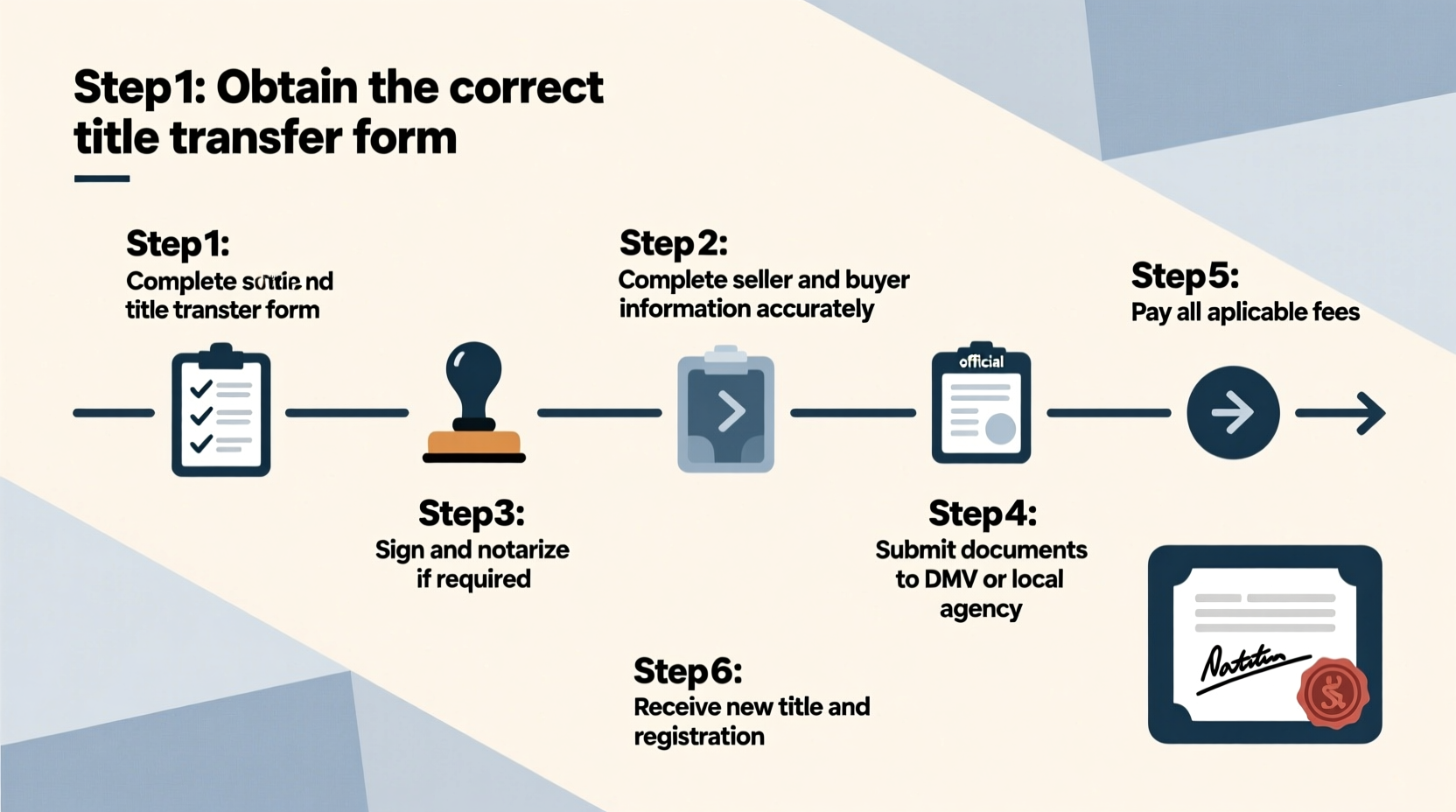
A vehicle title is a legal document that proves ownership. When a car changes hands, the title must be officially transferred to reflect the new owner. This process is administered by your state’s Department of Motor Vehicles (DMV) or equivalent agency. While procedures vary slightly by state, the core steps remain consistent: completing paperwork, verifying signatures, paying fees, and submitting documentation.
The transfer isn’t complete until the DMV processes the application and issues a new title in the buyer’s name. Until then, the buyer does not have full legal ownership. Skipping or rushing this process—such as driving without a registered title—can result in penalties or insurance complications.
“Title transfers are more than just paperwork—they’re about establishing a clear chain of ownership. A clean transfer protects everyone involved.” — Linda Reyes, Senior DMV Compliance Officer, California DMV
Step-by-Step Process for Transferring a Vehicle Title
Follow this structured timeline to ensure a smooth and compliant title transfer:
- Verify the Seller’s Ownership: Confirm the seller’s name on the title matches their ID. Check for liens—if there’s an outstanding loan, the lienholder may hold the title until paid off.
- Inspect the Vehicle Title Document: Look for damage, alterations, or missing information. All fields should be legible and properly filled out.
- Complete Seller’s Section: The seller must sign the title in the designated area, often requiring notarization depending on the state.
- Fill Out Buyer’s Section: Provide your full name, address, and date of purchase. Some states require odometer disclosure at this stage.
- Gather Required Documents: Include proof of insurance, bill of sale, valid ID, and any emissions or safety inspection reports if applicable.
- Submit to the DMV: Visit a local office or mail the package, depending on your state’s rules. Pay all applicable taxes and fees.
- Wait for Processing: Most states issue a new title within 4–6 weeks. In the meantime, you’ll receive a temporary registration.
Essential Checklist for Buyers and Sellers
To avoid last-minute surprises, use this checklist before initiating the transfer:
- ✅ Seller has clear, lien-free title in their name
- ✅ Odometer reading accurately recorded (required for vehicles under 20 years old)
- ✅ Bill of sale completed with purchase price, date, and both parties’ signatures
- ✅ Proof of insurance provided by buyer
- ✅ Emissions or safety inspection passed (if required in your state)
- ✅ Notarization completed (if mandated by state law)
- ✅ All fees calculated: sales tax, title fee, registration fee
- ✅ Old license plates returned or reassigned as per local rules
Common Pitfalls and How to Avoid Them
Mistakes during a title transfer can delay ownership and trigger legal risks. Here’s a breakdown of frequent errors and how to prevent them:
| Pitfall | Consequence | Prevention Strategy |
|---|---|---|
| Missing notarization | DMV rejects the application | Check your state’s requirements; when in doubt, get it notarized |
| Incomplete odometer disclosure | Federal violation; possible fine | Always fill out the odometer section—even for exempt vehicles |
| Backdating the title | Considered fraud | Sign and date only on the actual day of transfer |
| Not clearing liens | Title invalid; buyer cannot register vehicle | Request lien release letter from lender after payoff |
| Using an outdated form | Processing delays | Download the latest title transfer form directly from your state’s DMV website |
Real-Life Example: A Smooth Private Sale in Texas
Jamal decided to sell his 2015 Honda Accord to a coworker, Maria. They met at a local DMV office with all documents ready: the signed title, a notarized bill of sale, and Maria’s insurance card. Jamal had already cleared a small lien through his credit union and received a lien release certificate. Maria brought her driver’s license and payment for the $70 title fee and 6.25% sales tax on the $12,000 sale price.
Because they submitted everything in person, the DMV issued a temporary registration on the spot and mailed the new title to Maria within three weeks. By avoiding common mistakes—like skipping notarization or delaying submission—the transfer took less than a month with no hiccups.
Frequently Asked Questions
Can I transfer a vehicle title online?
Yes, many states—including Florida, Virginia, and Colorado—allow online title transfers for certain transactions, especially between immediate family members or when renewing registrations. However, most private-party sales still require in-person or mail-in submissions due to notarization and document verification needs.
What happens if the seller won’t give me the title?
If a seller refuses to provide a signed title, you do not have legal ownership. First, attempt to resolve the issue directly. If unresponsive, file a complaint with your state’s DMV and consider small claims court. Never continue making payments without receiving the title.
Do I need a bill of sale if I have the title?
Yes. While the title transfers ownership, the bill of sale serves as a legal record of the transaction, including price, date, and condition. It’s crucial for tax purposes, dispute resolution, and proving the vehicle wasn’t stolen.
Final Tips for a Successful Transfer
Each state has unique rules, so always consult your local DMV website for the most accurate information. Keep copies of every document exchanged—title, bill of sale, receipt for payment, and correspondence. For added security, use certified mail when sending documents.
If you're gifting a vehicle, some states require a “gift declaration” form instead of sales tax. In cases of inheritance, additional documentation like a death certificate or probate letter may be needed. When in doubt, contact the DMV directly or consult a legal professional familiar with motor vehicle laws in your jurisdiction.
Conclusion: Take Action with Confidence
Transferring a vehicle title doesn’t have to be stressful. With the right preparation, attention to detail, and adherence to legal requirements, you can complete the process efficiently and securely. Whether you're a first-time buyer or an experienced seller, following these steps protects your investment and ensures compliance.




 浙公网安备
33010002000092号
浙公网安备
33010002000092号 浙B2-20120091-4
Comments
No comments yet. Why don't you start the discussion?