
SharePlay is a convenient feature introduced by Apple that allows users to watch movies, listen to music, or share their screen during a FaceTime call. While it enhances shared experiences, not everyone wants it active all the time. Some users find it intrusive, others worry about accidental media sharing, and some simply prefer more control over their digital privacy. Whether you're troubleshooting connectivity issues, conserving data, or just want to disable the feature temporarily, knowing how to turn off SharePlay is essential.
This comprehensive guide walks you through disabling SharePlay across all compatible Apple devices—iPhone, iPad, Mac, and Apple TV—with precise steps for each platform. You’ll also learn when and why you might want to disable it, common misconceptions, and tips to regain full control of your FaceTime experience.
What Is SharePlay and Why Disable It?
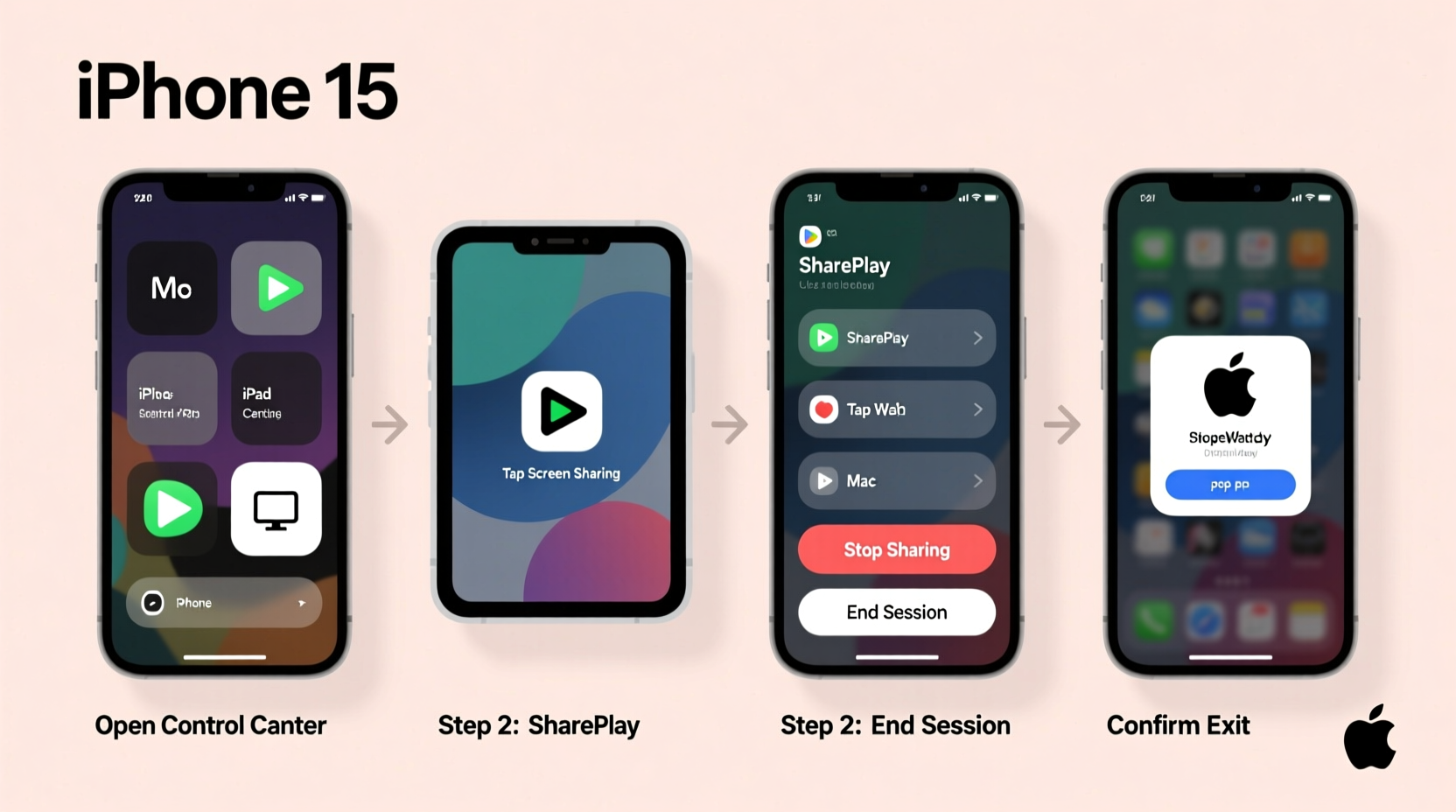
SharePlay lets two or more people enjoy synchronized media playback during a FaceTime call. It supports apps like Disney+, Hulu, Apple Music, TikTok, and even fitness apps like Peloton. When enabled, one participant can start a video, and it plays simultaneously for everyone in the call. The feature uses minimal data and syncs playback controls so all users can pause, rewind, or skip together.
Despite its benefits, many users choose to disable SharePlay for several reasons:
- Privacy concerns: Accidental activation may lead to unintended screen or media sharing.
- Data usage: Streaming media during calls increases cellular data consumption.
- Distracted conversations: Unwanted videos or music can disrupt meaningful discussions.
- Performance impact: On older devices, SharePlay may cause lag or audio delays.
- Preference: Some users simply don’t use the feature and want it disabled by default.
“While SharePlay enhances social connectivity, user autonomy over features should never be compromised. Disabling it when unnecessary improves focus and reduces digital clutter.” — Jordan Lee, Senior UX Analyst at TechFlow Insights
How to Turn Off SharePlay on iPhone and iPad
iOS devices are the most common platforms where SharePlay is used—and often accidentally activated. Fortunately, disabling it doesn't require complex settings changes because SharePlay is session-based, not always-on. That means it only activates during a FaceTime call when initiated by a user.
To prevent SharePlay from launching during calls, follow this step-by-step process:
- Open the FaceTime app on your iPhone or iPad.
- Start or join an ongoing FaceTime call.
- Tap the screen to bring up the call controls.
- Look for the SharePlay icon (two overlapping rectangles) at the bottom of the screen.
- If a media app is currently active (e.g., Apple TV+, Music), tap the X or “Stop Sharing” button within the floating window.
- To prevent future initiation, avoid tapping media-sharing prompts when they appear.
You can also limit which apps have permission to initiate SharePlay by adjusting app-specific settings:
- Go to Settings > Screen Time > App Limits.
- Add restrictions to entertainment apps if you want to reduce exposure.
- Disable background app refresh for streaming services under Settings > General > Background App Refresh.
Disabling SharePlay on Mac
On macOS Monterey and later, SharePlay functions similarly but with a slightly different interface. The controls appear directly in the FaceTime window, making them easy to miss or accidentally accept.
To stop an active SharePlay session on Mac:
- Launch the FaceTime app and join a call.
- If a shared media window appears (e.g., a video playing), hover over it.
- Click the X in the top-left corner of the floating player.
- Alternatively, right-click the shared content and select Leave Shared Experience.
To avoid joining SharePlay sessions altogether:
- When invited to view content, click Decline instead of Join.
- Keep the FaceTime window minimized if you're concerned about accidental taps.
- Use Do Not Disturb mode during focused work hours to avoid interruptions.
| Device | Can SharePlay Be Permanently Disabled? | Best Workaround |
|---|---|---|
| iPhone/iPad | No | Decline sharing prompts; disable auto-join via Focus modes |
| Mac | No | Close shared windows; decline invites manually |
| Apple TV | Limited | Exit shared playback using remote; disable automatic sign-in |
Managing SharePlay on Apple TV
Apple TV offers a unique SharePlay experience—users can watch content together remotely while seeing each other in a PiP (picture-in-picture) window. However, this requires both parties to be logged into their iCloud accounts and have two-factor authentication enabled.
To end a SharePlay session on Apple TV:
- Press the Touch surface of your Siri Remote to bring up controls.
- Navigate to the small FaceTime preview in the corner.
- Select Options (three dots) or press and hold the Play/Pause button.
- Choose Leave Shared Experience or End Share.
- Confirm your choice to exit.
Unlike mobile devices, Apple TV does not allow granular permissions for SharePlay. But you can reduce unwanted access by:
- Turning off automatic FaceTime login under Settings > Users and Accounts.
- Using parental controls to restrict streaming app access.
- Signing out of iCloud when not in use.
Troubleshooting Common SharePlay Issues
Sometimes, SharePlay remains active even after attempts to close it. This usually happens due to network delays, software bugs, or app glitches. Here’s how to resolve persistent issues:
Issue: SharePlay keeps reappearing after closing.
Solution: Ensure all participants have exited the shared session. One person continuing playback will re-invite others.
Issue: No option to decline SharePlay invitation.
Solution: Update your device to the latest iOS, iPadOS, or macOS version. Older versions may lack proper UI elements.
Issue: Audio desync during shared playback.
Solution: Disable SharePlay and restart the call. Check internet speed—minimum 10 Mbps recommended for smooth performance.
Mini Case Study: Preventing Accidental Sharing in a Professional Setting
Sarah, a project manager at a remote-first company, joined a team check-in via FaceTime. Midway through the meeting, a colleague started a shared movie clip using SharePlay—unaware that Sarah was presenting sensitive financial data on her screen. Because SharePlay allows screen sharing integration, Sarah’s desktop briefly appeared before she could react.
After the incident, Sarah adjusted her workflow: she now disables FaceTime notifications during presentations, enables Focus mode on her iPhone, and briefs teams beforehand about avoiding SharePlay unless explicitly needed. She also educated her colleagues on how to decline sharing requests silently.
This real-world example highlights the importance of proactive SharePlay management—even unintentional use can compromise professionalism and privacy.
Frequently Asked Questions
Can I permanently disable SharePlay on my iPhone?
No, there is no built-in setting to permanently disable SharePlay on iOS. It must be managed on a per-call basis by declining sharing invitations or closing active sessions.
Does disabling SharePlay affect regular FaceTime calls?
No. Turning off or declining SharePlay does not impact standard audio or video calling features. You can still make high-quality FaceTime calls without any limitations.
Why do I keep getting SharePlay invitations?
You receive invitations when someone in your FaceTime call starts media playback or screen sharing. These are not spam—they’re legitimate session requests. You can safely decline them without affecting relationships or call quality.
Final Checklist: How to Fully Control SharePlay Across Devices
- ✅ Decline media-sharing prompts during FaceTime calls.
- ✅ Close active SharePlay windows using the X or “Leave” button.
- ✅ Educate family or coworkers about intentional use of the feature.
- ✅ Keep all devices updated to ensure consistent behavior.
- ✅ Use Focus modes to minimize distractions during important calls.
- ✅ Restart devices if SharePlay becomes unresponsive.
Take Control of Your Digital Experience
Technology should serve you—not surprise you. SharePlay is a powerful tool when used intentionally, but its automatic prompts can disrupt focus and invade privacy if left unchecked. By understanding how to disable it across iPhone, iPad, Mac, and Apple TV, you reclaim control over your digital interactions.
Start today: review your recent FaceTime habits, set personal boundaries around shared media, and apply the steps outlined here to prevent unwanted sharing. Small actions lead to significant improvements in digital well-being.




 浙公网安备
33010002000092号
浙公网安备
33010002000092号 浙B2-20120091-4
Comments
No comments yet. Why don't you start the discussion?