
Transforming plain metal, resin, or alloy pieces into vibrant, one-of-a-kind jewelry is easier than you think. Multicolor spray paint offers a bold, accessible way to personalize earrings, pendants, rings, and bracelets with professional-looking finishes. When applied correctly, spray paint can deliver smooth gradients, sharp color contrasts, and dynamic visual depth that elevate even the simplest base components. This guide walks through every phase—from material selection to sealing—with precision and practical insight.
Selecting the Right Materials and Tools
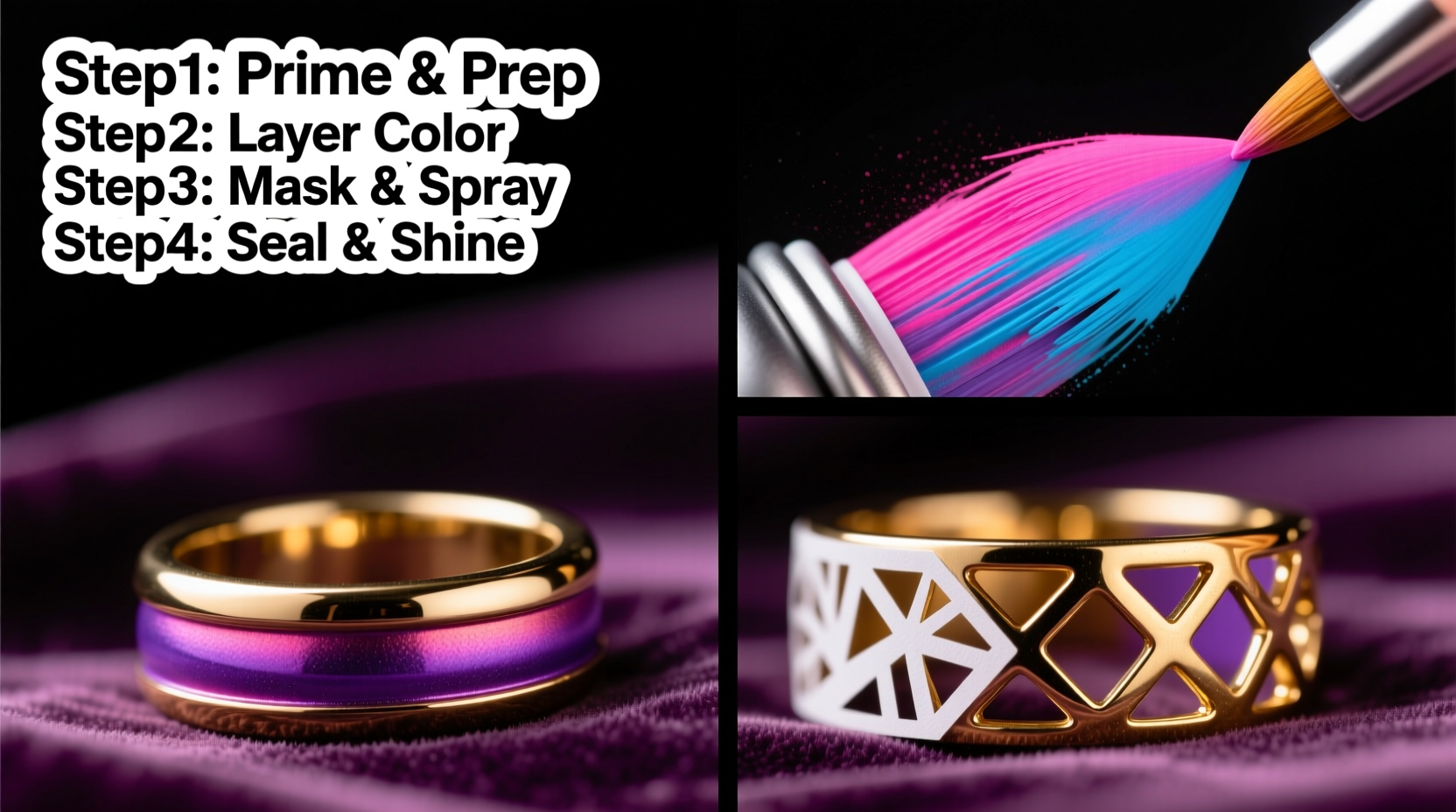
The foundation of any successful spray-painted jewelry project lies in choosing compatible materials and tools. Not all metals or substrates accept paint evenly, and using the wrong type of spray can lead to chipping, bubbling, or discoloration.
- Jewelry bases: Opt for non-porous materials like stainless steel, brass, aluminum, or high-quality resin. Avoid porous metals such as untreated iron, which may rust under paint layers.
- Spray paints: Use acrylic-based or enamel spray paints formulated for metal. Brands like Krylon Fusion, Montana Cans, and Rust-Oleum offer excellent adhesion and UV resistance.
- Primer: A metal-specific primer enhances durability and prevents flaking, especially on smooth surfaces.
- Protective gear: Nitrile gloves, a respirator mask (N95 or better), and safety goggles are essential when working with aerosol sprays.
- Workspace setup: Work outdoors or in a well-ventilated area. Use a cardboard box lined with newspaper or a spray booth to contain overspray.
Preparing Your Jewelry for Painting
Cleanliness is critical. Even microscopic oils from fingers or factory coatings can interfere with paint adhesion. Follow this preparation sequence:
- Remove any protective film or packaging residue from the jewelry base.
- Wash components in warm, soapy water and dry thoroughly with a lint-free cloth.
- Use isopropyl alcohol (70% or higher) on a cotton swab to wipe down each surface. Let it air-dry completely.
- Lightly sand glossy areas with 400-grit sandpaper to create “tooth” for the paint to grip.
- Apply a thin, even coat of metal primer. Allow it to cure for at least 30 minutes.
For intricate pieces like filigree pendants or chain links, use a small brush to dab primer into crevices where spray might not reach.
Applying Multicolor Spray Paint: Techniques and Timing
Multicolor effects require strategic layering and control. Rushing leads to muddied colors or runs. The key is patience and precision.
Layering Method: Base to Accent
Begin with your dominant color as the base. Hold the can 8–10 inches from the surface and apply two light coats, waiting 10–15 minutes between applications. Never drench the piece in a single pass—thin layers prevent drips and ensure even drying.
Once the base is fully dry (wait at least 1 hour), mask off areas you want to protect using painter’s tape or wax pencils. For geometric patterns or clean lines, cut small stencils from adhesive vinyl or cardstock.
Color Blocking and Gradient Effects
To create a gradient, lightly mist the second color along one edge while tilting the piece to encourage natural diffusion. Overlap slightly with the base color but avoid heavy buildup. Repeat with additional hues, letting each dry before adding the next.
For speckled or abstract textures, hold the can farther away (12+ inches) and use quick bursts. You can also tap the nozzle gently for a splatter effect.
| Effect | Technique | Drying Time Between Layers |
|---|---|---|
| Solid color block | Two light coats, masked edges | 15–20 minutes |
| Soft gradient | Feathering spray at edge | 30 minutes |
| Speckled texture | Short bursts from distance | 10 minutes |
| Metallic accent | Detail spraying with fine nozzle | 20 minutes |
Sealing and Finishing for Longevity
Unsealed spray paint on jewelry wears quickly due to friction and skin contact. A clear topcoat is non-negotiable for durability.
Choose a UV-resistant, clear acrylic sealer in either matte, satin, or gloss finish depending on your desired look. Apply 2–3 thin coats, allowing 20 minutes of drying time between layers. For high-contact items like rings or bracelet clasps, consider a jewelry-grade epoxy resin coating for maximum scratch resistance.
Let the final piece cure for 24–48 hours before wearing. This ensures full chemical hardening and minimizes transfer onto skin or clothing.
“Spray paint can be just as durable as plating if sealed properly. I’ve had spray-painted earrings last over a year with daily wear.” — Lena Torres, Independent Jewelry Designer & Craft Educator
Real-World Example: Custom Statement Earrings
Sophia, a hobbyist crafter in Portland, wanted to upcycle a pair of plain silver hoop earrings. She cleaned them with alcohol, primed with Rust-Oleum Universal Primer, then sprayed one side navy blue and the other coral using Krylon ColorMaster. After masking half with tape, she added gold metallic accents in diagonal stripes. Once dry, she applied three layers of Mod Podge Clear Acrylic Sealer. The result? A boutique-quality pair she now sells at local markets. Her secret? “I lay the hoops flat on a foam block with toothpicks holding them upright—no smudging, perfect coverage.”
Common Mistakes and How to Avoid Them
- Applying thick coats: Leads to runs and uneven drying. Always spray light and build gradually.
- Skipping primer: Especially on polished metals, paint will peel without proper adhesion.
- Touching too soon: Oils from fingers disrupt uncured paint. Use tweezers throughout the process.
- Ignoring ventilation: Indoor spraying without airflow risks inhaling harmful fumes and creates overspray mess.
- Using non-metal spray paints: Plastics or fabric sprays lack durability on jewelry and may discolor.
Frequently Asked Questions
Can I use regular craft spray paint on jewelry?
Only if it’s labeled for metal use. Standard craft paints often lack adhesion and chip easily under friction. Always check the label for surface compatibility and outdoor/indoor use ratings.
How do I fix a paint mistake on a small piece?
Let the paint dry completely, then gently sand the flawed area with 600-grit paper. Clean with alcohol and reapply primer before repainting. For minor errors, a fine-tip acrylic paint pen can camouflage spots.
Is spray-painted jewelry safe to wear every day?
Yes, provided it’s properly sealed and cured. Avoid wearing in water (showers, swimming) and remove during activities involving chemicals or abrasion to extend its life.
Final Checklist Before You Begin
- Chosen non-porous, cleanable jewelry bases
- Acrylic or enamel spray paints for metal
- Compatible metal primer and clear sealer
- Nitrile gloves, respirator, goggles
- Ventilated workspace with protective covering
- Tweezers, masking tape, stencils (if needed)
- Lint-free cloths and isopropyl alcohol
- Drying rack or foam block for curing
Bring Your Vision to Life
Custom jewelry doesn’t require expensive tools or rare materials. With multicolor spray paint, creativity becomes your primary resource. Whether you’re personalizing a gift, refreshing old accessories, or launching a handmade line, mastering this technique opens doors to endless design possibilities. Start small, document your results, and refine your method with each piece. The most striking designs often come from experimentation—so embrace imperfections as part of the artistic process.




 浙公网安备
33010002000092号
浙公网安备
33010002000092号 浙B2-20120091-4
Comments
No comments yet. Why don't you start the discussion?