
Military dog tags serve as essential identification tools, but they’ve also evolved into meaningful keepsakes, fashion accessories, and personalized mementos. Whether you're honoring a service member, creating a tribute, or crafting custom gear for outdoor adventures, assembling and customizing dog tags can be both practical and deeply personal. With the right tools and techniques, the process is straightforward and rewarding. This guide walks you through each stage—from selecting materials to final assembly—with precision and care.
Understanding Military Dog Tag Basics
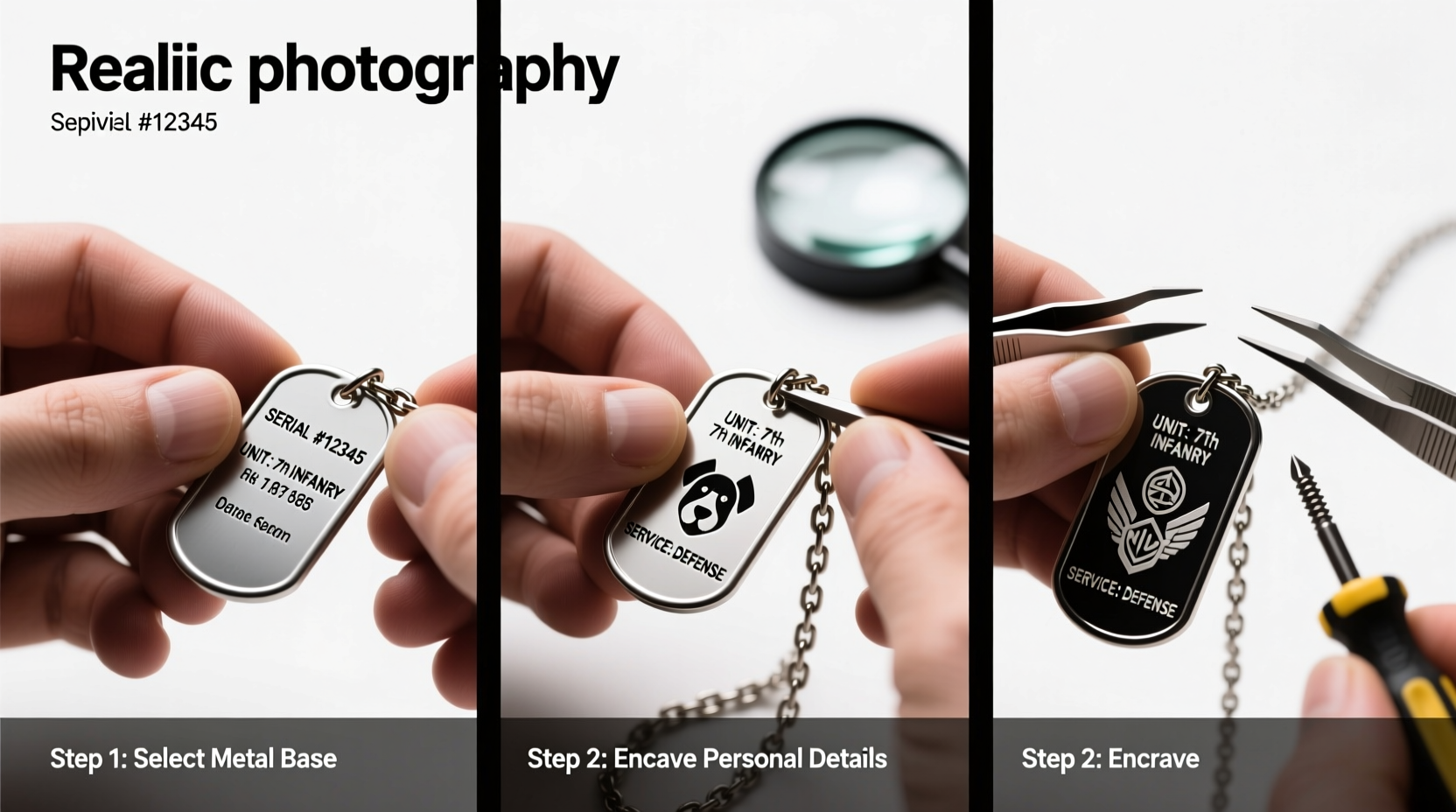
Originally designed for battlefield identification, traditional military dog tags are typically made from stainless steel or aluminum and feature critical information such as name, rank, blood type, and service number. Modern versions allow for customization beyond standard military specs, including inspirational quotes, emergency contacts, or even QR codes linking to digital profiles.
The classic U.S. military issue includes two identical tags on a single chain—one intended to remain with the body, the other collected for record-keeping. Replicating this design ensures authenticity, while alternative styles offer creative flexibility.
“Properly engraved dog tags aren’t just functional—they carry legacy. Clarity and durability matter in every character.” — Sgt. Daniel Reyes (Ret.), U.S. Army Veteran
Step-by-Step Guide to Assembling Your Dog Tags
Assembling dog tags doesn’t require advanced skills, but attention to detail ensures longevity and legibility. Follow this timeline to create professional-grade tags at home.
- Gather your materials: blank metal tags, ball chain or ballistic nylon cord, split rings, engraving tool or service, and protective gloves.
- Choose your tag style: standard oval (35mm x 20mm), rectangular, or custom shapes. Stainless steel resists corrosion; aluminum is lightweight and easier to engrave.
- Decide on engraving method: hand-stamping, rotary engraving, laser etching, or ordering pre-engraved tags.
- Engrave your information: follow military formatting if desired: Name, Service Number, Blood Type, Religious Preference.
- Attach split rings: open the ring using pliers, thread through the hole in the tag, then close securely.
- Connect to chain: attach each tag to a 24-inch ball chain using the split rings. For dual-tag setups, place one tag near the clasp for easy removal if needed.
- Inspect and test: ensure text is readable, rings are tight, and chain moves freely without snagging.
Customization Options and Best Practices
While traditional dog tags follow strict formatting, civilian use allows room for creativity. You can personalize tags for pets, hikers, first responders, or memorial gifts. The key is balancing aesthetics with functionality.
Consider these popular customizations:
- Adding a small symbol (cross, eagle, heart) next to the name
- Including an emergency contact number and medical conditions
- Using mirrored text on the second tag for redundancy
- Integrating a QR code that links to a secure online profile
- Color filling engraved letters with enamel paint for contrast
Avoid overcrowding the surface. Limit lines to four or five to maintain readability. If using abbreviations, stick to universally recognized ones—e.g., “O+” for blood type, “Ref” for religious preference.
Do’s and Don’ts of Dog Tag Customization
| Do | Don’t |
|---|---|
| Use block capital letters for clarity | Use script fonts or lowercase (hard to read) |
| Include at least name and blood type | Omit critical medical info |
| Order extra tags as backups | Reuse old tags with outdated info |
| Test fit chain and rings before final assembly | Force rings open sideways (they may snap) |
| Polish tags after engraving to remove burrs | Leave sharp edges untreated |
Real Example: Honoring a Family Veteran
When Maria wanted to honor her grandfather, a Vietnam War veteran, she decided to recreate his original dog tags using his discharge records. She sourced two stainless steel blanks and used a handheld engraving tool to stamp his details: “GARCIA, R.M.”, “USMC”, “A POS”, “NO PREFERENCE”.
To preserve accuracy, she measured letter spacing with a ruler and practiced on scrap metal first. After engraving, she lightly sanded the edges and applied black enamel paint to the grooves, wiping excess with a microfiber cloth. Once dry, she attached the tags to a nickel-plated ball chain using brass split rings.
The finished set was displayed in a shadow box alongside his medals. Friends later requested similar tributes, turning Maria’s project into a small community initiative supporting veteran families.
Tools and Materials Checklist
Before starting, prepare everything you’ll need. Having all components on hand prevents interruptions and errors during assembly.
- Two metal dog tag blanks (stainless steel or aluminum)
- 24-inch ball chain or paracord necklace
- Two stainless steel split rings (6mm diameter)
- Engraving tool (hand stamps, rotary pen, or access to laser service)
- Ruler or alignment jig for consistent letter placement
- Safety glasses and work gloves
- Small vise or clamp to stabilize tags during engraving
- Fine-grit sandpaper (200–400 grit)
- Enamel paint or ink (optional, for contrast)
- Cotton swabs and rubbing alcohol (for cleaning)
Frequently Asked Questions
Can I customize dog tags without engraving tools?
Yes. Many online retailers offer custom engraving services where you upload your text and receive ready-made tags. Alternatively, use permanent industrial markers like PaintStik or UV-resistant paint pens, though these are less durable than engraved text.
Are there legal restrictions on wearing military-style dog tags?
No U.S. law prohibits civilians from wearing dog tags, but it’s unethical to impersonate active-duty personnel or claim unearned honors. Wearing them as tribute, for medical ID purposes, or as part of outdoor gear is widely accepted.
How do I clean and maintain my dog tags?
Wipe with a damp cloth and mild soap. For deeper cleaning, soak in warm water with dish detergent for 10 minutes, then gently scrub with a soft brush. Avoid harsh chemicals. Dry thoroughly to prevent moisture buildup, especially if stored long-term.
Final Thoughts and Next Steps
Creating custom military dog tags blends craftsmanship with meaning. Whether you’re paying tribute, preparing for rugged activities, or designing unique accessories, the process empowers you to produce something lasting and personal. Precision in engraving, thoughtful layout, and quality materials ensure your tags remain legible and resilient for years.
Start small—customize a single tag with your name and blood type. Then expand to include emergency contacts or symbolic engravings. Share your creations with others who value preparedness and remembrance. Every stamped letter carries weight; make yours count.




 浙公网安备
33010002000092号
浙公网安备
33010002000092号 浙B2-20120091-4
Comments
No comments yet. Why don't you start the discussion?