
Most gardeners grow potatoes from seed tubers—small whole potatoes or cut pieces planted directly in soil. But true potato seed, botanically known as *Solanum tuberosum* seed, offers a powerful alternative: genetic diversity, disease-free stock, and long-term sustainability. Unlike commercial seed potatoes, which can carry pathogens over generations, growing from true seed ensures a clean start and opens access to rare or heirloom varieties not available as tubers. This method demands more patience and precision but rewards growers with resilience, adaptability, and deeper agricultural understanding.
While less common than planting tubers, growing potatoes from true seed is gaining interest among organic gardeners, homesteaders, and plant breeders seeking crop improvement and food sovereignty. This comprehensive guide walks through every phase—from sourcing seeds and starting seedlings to hardening off, transplanting, and harvesting—equipping you with science-backed techniques for success.
Definition & Overview: What Are True Potato Seeds?
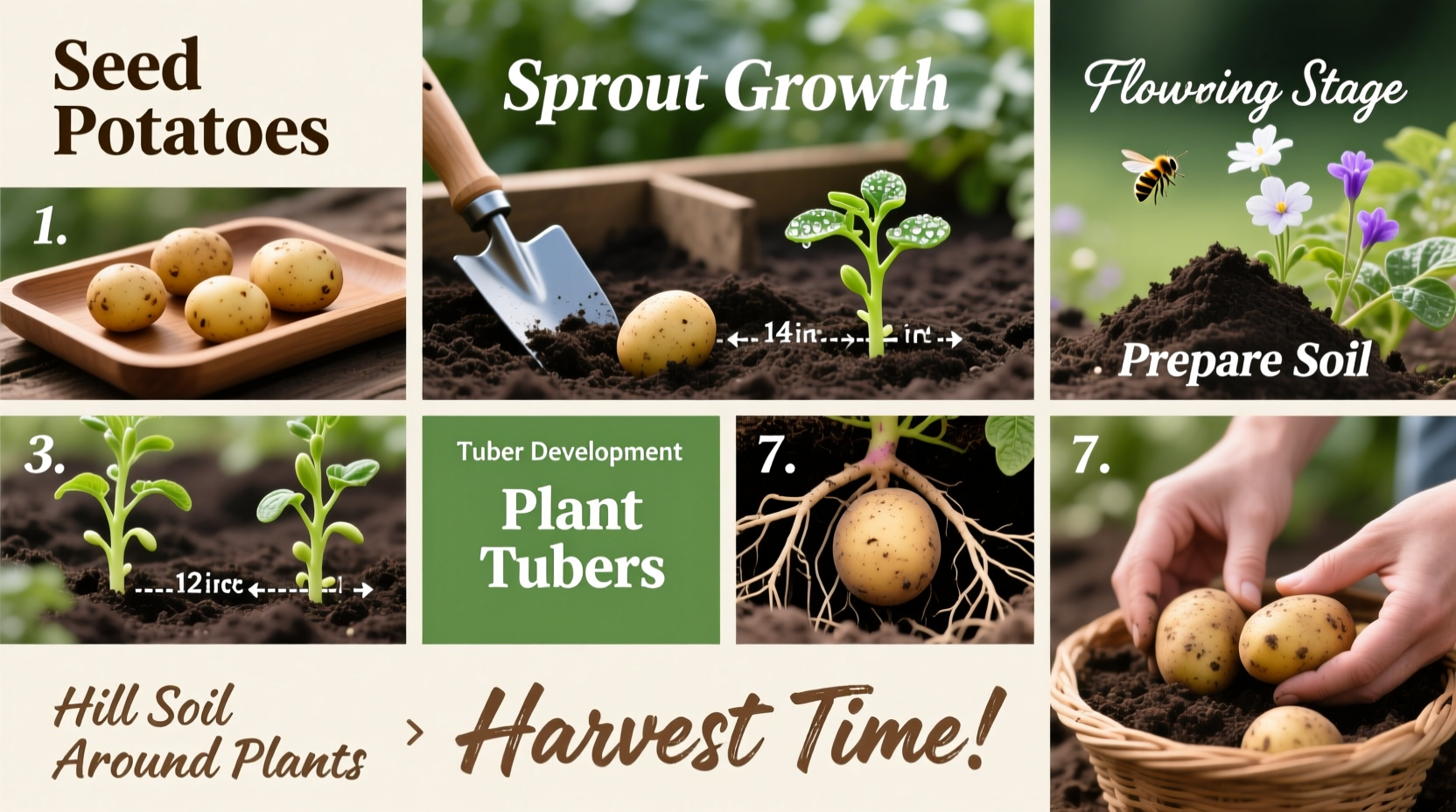
True potato seeds (TPS) are the botanical seeds produced by potato plants after flowering and pollination. These tiny, disk-shaped seeds form inside small green berries that develop on the plant, resembling miniature tomatoes. Each berry can contain hundreds of seeds, each genetically unique due to cross-pollination or natural variation.
Unlike cloning via tubers—which produces exact genetic copies—growing from TPS introduces genetic variability. This means plants grown from the same batch of seeds may differ in yield, shape, color, maturity time, and disease resistance. While this unpredictability may deter commercial farmers seeking uniformity, it benefits home growers interested in selection, breeding, and long-term adaptation to local conditions.
The use of TPS dates back centuries but declined with the rise of industrial agriculture, where consistency and predictability took precedence. However, organizations like the CIP (International Potato Center) have preserved tens of thousands of TPS accessions for research and conservation. Today, niche seed suppliers and open-source breeding networks are reviving interest in TPS for its role in sustainable food systems.
Key Characteristics of True Potato Seeds
- Size & Appearance: Tiny, flat, lens-shaped seeds, typically tan to dark brown.
- Viability: Remains viable for 5–10 years when stored cool, dry, and dark.
- Genetic Diversity: High—each seed is a unique individual, unlike cloned tubers.
- Disease Risk: Extremely low; no risk of soil-borne viruses such as PVY or PLRV carried in tubers.
- Maturity Timeline: Longer than tuber-planted crops; expect 90–130 days from sowing to harvest.
- Germination Rate: Varies by variety and age; fresh seed averages 70–90% under optimal conditions.
TIP: Label all seedlings individually if trialing multiple lines—you may discover a standout performer worth propagating vegetatively in future seasons.
Why Grow Potatoes from Seed Instead of Tubers?
Despite being slower and less intuitive, growing from true seed presents compelling advantages:
- Disease Avoidance: Seed-borne diseases like scab, blackleg, and viral infections are eliminated when starting from TPS.
- Cost Efficiency: A single gram of TPS contains up to 400 seeds—far cheaper than purchasing dozens of seed potatoes annually.
- Varietal Access: Rare, landrace, or experimental cultivars often only exist in seed form.
- Breeding Potential: Gardeners can select for traits like drought tolerance, flavor, or early maturity across generations.
- Storage & Transport: Seeds are lightweight, compact, and stable—ideal for seed swaps, long-term storage, or international shipping.
However, there are trade-offs. The first generation from seed tends to produce smaller yields than clonal counterparts. Uniformity in tuber size and shape is also reduced. Yet many find these drawbacks acceptable given the long-term benefits of healthier, locally adapted lines.
Step-by-Step Process: From Seed to Harvest
Step 1: Source High-Quality True Potato Seeds
Obtain seeds from reputable suppliers specializing in TPS, such as Adaptive Seeds, Horizon Herbs, or the Seed Savers Exchange. Some vendors offer F1 hybrids bred for vigor and uniformity, while others sell open-pollinated or landrace populations ideal for selection work.
Popular beginner-friendly varieties include:
- Tomato Leaf – vigorous, highly productive, excellent flavor
- Alaska Frostless – early maturing, cold-tolerant
- Mayan Gold – tropical origin, heat-adapted, golden flesh
- Solis – modern hybrid, good tuber uniformity despite seed origin
Ensure seeds are properly labeled with variety name, collection year, and germination test data if available.
Step 2: Start Seeds Indoors 8–10 Weeks Before Last Frost
Like tomatoes or peppers, potato seeds require warm temperatures and consistent moisture to germinate.
Sowing Instructions:
- Fill seed trays or plug cells with fine, sterile seed-starting mix.
- Sow 1–2 seeds per cell at a depth of ¼ inch (6 mm).
- Water gently using a mist bottle to avoid displacement.
- Cover trays with humidity domes and place in a warm area (70–75°F / 21–24°C).
- Provide 14–16 hours of full-spectrum light daily using grow lights placed 2–4 inches above foliage.
Germination typically occurs within 14–21 days. Once seedlings emerge, remove the dome and maintain airflow to prevent damping-off.
Step 3: Thin and Transplant Seedlings
When two true leaves appear, thin to one strongest plant per cell. At 4–6 weeks old, transplant into 3–4 inch pots to encourage root development. Use a balanced organic potting mix enriched with compost or worm castings.
Keep night temperatures above 55°F (13°C). Cold stress stunts growth and increases susceptibility to pests.
Step 4: Harden Off Gradually
Begin acclimating seedlings to outdoor conditions 2–3 weeks before transplanting. Start with 1–2 hours of morning sun in a sheltered location, increasing exposure daily. Bring trays indoors if temperatures drop below 45°F (7°C).
Hardening reduces transplant shock and builds resilience against wind, sun, and temperature fluctuations.
Step 5: Prepare Garden Beds
Potatoes thrive in loose, well-drained soil rich in organic matter. Avoid heavy clay or waterlogged sites.
Soil Preparation Checklist:
- Choose a site with 6–8 hours of direct sunlight.
- Amend soil with aged compost or well-rotted manure (avoid fresh manure).
- Incorporate kelp meal or rock phosphate for micronutrients.
- Adjust pH to 5.0–6.0 to discourage scab; liming raises pH, sulfur lowers it.
- Form raised beds or ridges 8–12 inches high to improve drainage and ease hilling.
Step 6: Transplant Seedlings Outdoors
Transplant after all frost danger has passed and soil temperature exceeds 50°F (10°C). Space plants 12–18 inches apart in rows 24–36 inches apart.
Plant deeply—up to the first set of true leaves—to encourage strong stem rooting and increased tuber production along buried nodes.
Water thoroughly after planting and apply a starter solution of seaweed extract to reduce stress.
Step 7: Mulch and Hill Regularly
Mulching conserves moisture and suppresses weeds. Apply straw or leaf mulch once plants are established.
Hilling (mounding soil around the base) prevents greening of emerging tubers caused by sun exposure. Perform the first hill when plants reach 6–8 inches tall, then repeat every 2–3 weeks until canopy closure.
Alternatively, use the “no-dig” method: lay down cardboard or newspaper, cover with thick straw (12+ inches), and plant through holes. Tubers develop within the mulch layer, simplifying harvest.
Step 8: Water and Fertilize Strategically
Consistent watering is crucial during tuber initiation (flowering stage). Aim for 1–1.5 inches of water per week, adjusting for rainfall.
Avoid overhead irrigation to minimize foliar disease. Drip lines or soaker hoses are ideal.
Fertilization needs:
| Growth Stage | Nutrient Focus | Recommended Application |
|---|---|---|
| Early Vegetative | Nitrogen | Compost tea or fish emulsion every 2 weeks |
| Flowering Onset | Phosphorus & Potassium | Wood ash, banana peel compost, or sulfate of potash |
| Tuber Bulking | Calcium & Micronutrients | Kelp meal or foliar spray with calcium nitrate |
| Final 3 Weeks | None | Cease fertilizing to promote skin set |
Step 9: Monitor for Pests and Diseases
Potato plants face threats from Colorado potato beetles, aphids, flea beetles, and late blight. Scouting weekly allows early intervention.
Organic management strategies:
- Hand-pick adult beetles and larvae; drop into soapy water.
- Use floating row covers early in the season.
- Apply kaolin clay (Surround WP) to deter feeding.
- Spray neem oil or spinosad for infestations (follow label instructions).
- Rotate crops annually; never plant solanaceous crops (tomato, pepper, eggplant) in the same spot two years running.
Late blight (*Phytophthora infestans*) is especially devastating. Remove infected foliage immediately and destroy—do not compost. Consider resistant varieties like 'Defender' or 'Elba' if blight is endemic in your region.
Step 10: Harvest Mature Tubers
Determine readiness by observing vine senescence. When foliage yellows and dies back naturally, tubers are likely mature. For earlier harvests, dig “new potatoes” 7–8 weeks after transplanting, when flowers appear.
To harvest:
- Cut back dead vines if still present.
- Wait 2–3 dry days to allow soil to firm slightly.
- Use a broad fork or digging fork to lift tubers gently, avoiding punctures.
- Brush off excess soil—do not wash until ready to use.
Cure larger storage potatoes at 50–60°F (10–15°C) with 85–90% humidity for 10–14 days to thicken skins and heal minor wounds.
Variants & Types of True Potato Seeds
Not all TPS are equal. Understanding types helps match seeds to goals:
| Type | Description | Best For |
|---|---|---|
| F1 Hybrids | Bred from controlled crosses; higher uniformity and vigor | Gardeners wanting reliable performance from seed |
| Open-Pollinated | Naturally pollinated; moderate variability | Seed savers and selection projects |
| Landrace Populations | Locally adapted, genetically diverse families | Resilience breeding and climate adaptation |
| Wild Relatives | Species like *S. chacoense*; used in breeding programs | Advanced breeders seeking pest/disease resistance |
Some gardeners save their own TPS by isolating plants (to prevent cross-pollination), collecting ripe berries, fermenting pulp (like tomato seeds), rinsing, and drying. This advanced technique enables multi-generational breeding.
Comparison with Common Alternatives
How does growing from seed compare to traditional methods?
| Factor | True Seed (TPS) | Seed Tubers | Store-Bought Potatoes |
|---|---|---|---|
| Genetic Diversity | High | None (clone) | None (clone) |
| Disease Risk | Very Low | Moderate to High | Very High (often treated with sprout inhibitors) |
| Cost per Plant | Less than $0.10 | $0.50–$2.00 | $0.20–$0.80 |
| Time to Harvest | Longer (first-year adjustment) | Standard (80–110 days) | Unreliable (sprout-inhibited) |
| Suitability for Breeding | Excellent | Poor | Poor |
“Growing potatoes from true seed isn’t just gardening—it’s participating in evolution. You’re not just growing food; you’re shaping the future of the crop.” — Dr. John Navazio, senior scientist, Organic Seed Alliance
Practical Tips & FAQs
Can I grow potatoes from the seeds inside store-bought potato berries?
No. Most commercial varieties do not produce fruit reliably, and those that do often result from uncontrolled pollination. Seeds may lack vigor or desirable traits. Use certified TPS instead.
Do TPS-grown potatoes taste different?
Flavor varies significantly due to genetics. Some seedlings produce exceptional tubers—sweet, nutty, complex—while others are bland or bitter. Taste-test all harvests and save tubers from the best performers for vegetative propagation next year.
How do I store true potato seeds?
Place in airtight containers (glass jars or resealable foil bags) with a desiccant pack. Store in a cool, dark place—ideally a refrigerator (not freezer). Viability lasts 5+ years under proper conditions.
Why didn’t my seeds germinate?
Common causes: old seed, incorrect temperature, excessive moisture (leading to rot), or light deprivation (some seeds need light). Always test germination rates by placing 10 seeds on a damp paper towel in a sealed bag at 70°F for 3 weeks.
Can I grow potatoes from seed in containers?
Yes. Use large pots (15+ gallons) or fabric grow bags. Ensure adequate drainage and use a light, fertile mix. Container-grown plants require more frequent watering and feeding.
Is it worth growing from seed if I only want food?
If yield and speed are top priorities, seed tubers remain the better choice. But for long-term resilience, cost savings, and engagement with plant biology, TPS offers unmatched value—even if the first harvest is modest.
PRO TIP: Keep a garden journal tracking each seedling: emergence date, growth habit, pest resistance, flowering time, and final yield. Over time, you’ll identify elite performers to clone and refine your own locally adapted strain.
Summary & Key Takeaways
Growing potatoes from true seed is a transformative practice that shifts gardening from consumption to co-creation. It demands more time and observation than planting tubers but delivers profound benefits: disease-free stock, genetic renewal, and the potential to develop superior varieties tailored to your microclimate.
Success hinges on attention to detail—starting seeds early under lights, preparing fertile beds, managing nutrients through key growth stages, and protecting plants from pests. The reward is not just a basket of tubers, but a deeper connection to the living cycle of one of humanity’s most vital staple crops.
Whether you're an experienced gardener exploring plant breeding or a novice eager to understand food origins, cultivating potatoes from seed represents a meaningful step toward self-reliance and ecological intelligence.
Start small: sow one tray of true potato seeds this season. Observe, select, and save. In a few years, you might be growing your very own named potato variety—born from seed, shaped by your hands, and rooted in your soil.




 浙公网安备
33010002000092号
浙公网安备
33010002000092号 浙B2-20120091-4
Comments
No comments yet. Why don't you start the discussion?