
Thick, sticky nasal mucus is a common symptom that many people experience at some point, particularly during colds, allergies, or seasonal changes. While often dismissed as a minor annoyance, persistent sticky snot can signal underlying health issues or poor hydration. Understanding what causes this consistency of mucus and how to address it can improve comfort, support respiratory health, and prevent complications like sinus infections.
Mucus plays a vital role in protecting the respiratory system by trapping dust, bacteria, and allergens before they reach the lungs. Normally, it's thin and watery, allowing for easy drainage. When it becomes thick and glue-like, something has disrupted its natural balance. This article explores the science behind sticky snot, identifies key triggers, and provides practical steps to restore healthy mucus production.
What Makes Snot Sticky? The Science Behind Mucus Consistency
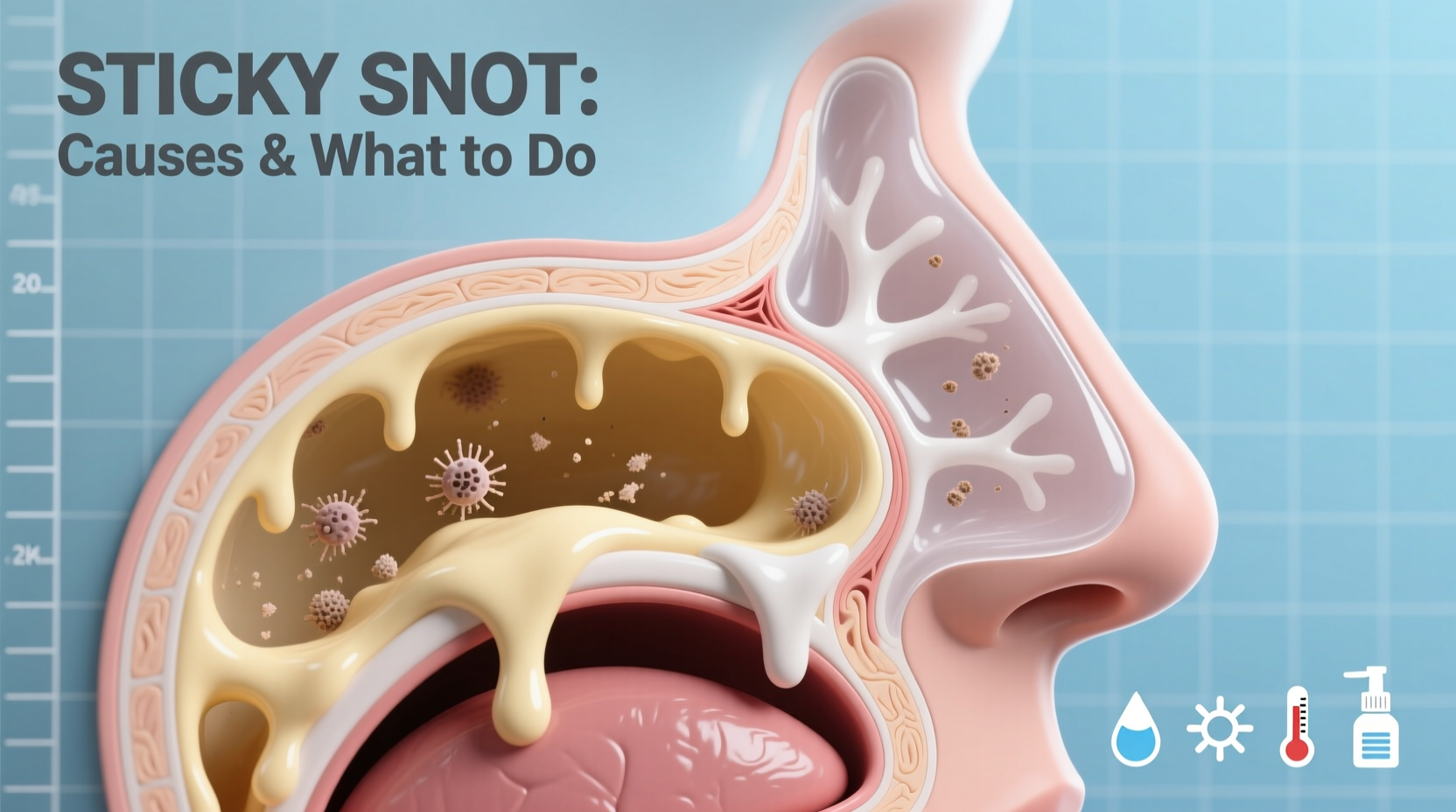
Mucus is primarily composed of water, proteins (especially mucins), lipids, and inorganic salts. The texture depends largely on water content. When the body is well-hydrated, mucus remains fluid and clears easily through the nasal passages and throat. However, when water levels drop or inflammatory processes increase mucin concentration, mucus thickens.
The nasal and sinus linings contain goblet cells and submucosal glands that secrete mucus. During immune responses—such as fighting off viruses or reacting to allergens—these cells ramp up production. Inflammatory mediators like histamine also alter mucus composition, making it more viscous. Additionally, environmental factors such as dry air reduce moisture in the nasal cavity, further contributing to stickiness.
“Mucus viscosity is a direct reflection of hydration status and immune activity. Thick, sticky discharge often means the body is working hard to trap pathogens—or struggling due to dehydration.” — Dr. Lena Patel, Otolaryngologist
Common Causes of Sticky Nasal Discharge
Sticky snot isn’t a condition itself but a symptom of physiological changes. Recognizing the root cause helps determine the appropriate response. Below are the most frequent contributors:
- Dehydration: Insufficient fluid intake concentrates mucus, making it thicker and harder to expel.
- Viral Infections: Colds and flu trigger increased mucus production with higher protein content, leading to stickiness.
- Allergies: Hay fever or environmental allergens stimulate histamine release, which thickens mucus and increases nasal congestion.
- Dry Air: Indoor heating in winter or arid climates evaporate moisture from nasal passages.
- Sinus Infections: Bacterial or chronic sinusitis often produces yellow-green, sticky mucus due to white blood cell accumulation.
- Irritants: Smoke, strong perfumes, pollution, and chemicals inflame nasal tissues, altering mucus quality.
- Medications: Antihistamines, decongestants, and certain blood pressure drugs can dry out mucous membranes.
How to Thin and Clear Sticky Mucus: Effective Strategies
Managing sticky snot involves restoring moisture, reducing inflammation, and supporting natural clearance. The following approaches are backed by clinical practice and patient outcomes.
1. Increase Fluid Intake
Drinking water is the simplest and most effective way to thin mucus. Warm liquids like herbal teas, broths, and lemon water provide dual benefits: hydration and steam-assisted loosening. Aim for at least 8–10 glasses daily, more if active or ill.
2. Use a Humidifier
Adding moisture to indoor air prevents nasal drying, especially overnight. Cool-mist humidifiers are safe for continuous use; just ensure regular cleaning to avoid mold buildup.
3. Saline Nasal Irrigation
Nasal rinses with saline solution help flush out irritants and rehydrate mucus. Devices like neti pots or squeeze bottles deliver immediate relief. Use distilled, sterile, or previously boiled water to prevent infection.
4. Steam Inhalation
Inhaling warm, moist air from a bowl of hot water (with optional essential oils like eucalyptus) can loosen mucus within minutes. Cover your head with a towel for better effect, but keep a safe distance to avoid burns.
5. Adjust Medication Use
If antihistamines or decongestants are causing dryness, consider switching to non-drying alternatives under medical guidance. For allergy sufferers, intranasal corticosteroids may reduce inflammation without thickening mucus.
6. Elevate Your Head While Sleeping
Gravity assists drainage when the head is slightly elevated. Use an extra pillow to minimize nighttime congestion and postnasal drip.
| Method | Effectiveness | Best For |
|---|---|---|
| Hydration | ★★★★★ | All causes, especially dehydration |
| Humidifier | ★★★★☆ | Dry environments, winter months |
| Saline rinse | ★★★★★ | Allergy, infection, congestion |
| Steam inhalation | ★★★★☆ | Immediate relief, temporary blockage |
| Medication review | ★★★☆☆ | Drug-induced dryness |
When Sticky Snot Signals Something More Serious
While usually benign, prolonged or worsening symptoms may indicate a need for medical evaluation. Chronic thick mucus lasting over 10 days, especially with facial pain, fever, or discolored discharge, could suggest bacterial sinusitis. In children, persistent sticky snot accompanied by snoring or mouth breathing might point to enlarged adenoids.
Cystic fibrosis (CF) is a rare but critical condition where genetic mutations cause abnormally thick mucus in the lungs, pancreas, and sinuses. Infants with CF often present with very sticky nasal secretions, poor weight gain, and recurrent lung infections. Early diagnosis through newborn screening has improved outcomes significantly.
“In pediatric patients, consistently sticky mucus—especially from birth—should prompt consideration of cystic fibrosis testing, even in the absence of other obvious symptoms.” — Dr. Rajiv Mehta, Pediatric Pulmonologist
Mini Case Study: Managing Chronic Sticky Snot in a School-Aged Child
Six-year-old Maya had been experiencing thick, greenish nasal discharge for three weeks. Her parents initially treated her for a cold, but she developed dark circles under her eyes and began breathing through her mouth at night. A visit to the pediatric ENT revealed swollen adenoids obstructing normal mucus drainage.
The doctor recommended daily saline nasal sprays, a bedroom humidifier, and increased water intake. After two weeks, Maya’s mucus thinned noticeably. She was eventually scheduled for adenoidectomy due to persistent obstruction, after which her nasal breathing normalized and sticky discharge resolved completely.
This case highlights how sticky snot, when persistent, can be a clue to structural or chronic issues beyond simple infection.
Action Checklist: What to Do About Sticky Snot
Follow this step-by-step plan to manage and prevent sticky mucus:
- Drink more fluids—focus on water, herbal tea, and broth.
- Run a humidifier in your bedroom at night.
- Perform saline nasal irrigation once or twice daily.
- Inhale steam from hot water for 5–10 minutes, 2–3 times per day.
- Avoid known irritants like smoke, dust, and strong fragrances.
- Elevate your head while sleeping to aid drainage.
- Review medications with your doctor if dryness persists.
- Monitor symptoms—if mucus remains thick beyond 10 days or worsens, consult a healthcare provider.
Frequently Asked Questions
Is sticky snot always a sign of infection?
No. While infections can cause thick mucus, dehydration, dry air, and allergies are equally common causes. Color and duration matter: clear, sticky mucus often points to allergies or dryness, while yellow-green mucus lasting over a week may indicate infection.
Can diet affect mucus thickness?
Yes. Diets high in dairy may temporarily thicken mucus in some individuals, though evidence is mixed. Staying hydrated and eating anti-inflammatory foods (like fruits, vegetables, and omega-3s) supports healthier mucus production.
Should I use over-the-counter decongestants for sticky snot?
Short-term use (3–5 days) can help, but prolonged use of nasal sprays like oxymetazoline may cause rebound congestion. Oral decongestants can dry mucus but may also lead to side effects like increased heart rate or insomnia. Always follow label instructions.
Take Control of Your Respiratory Comfort
Sticky snot is more than just uncomfortable—it can disrupt sleep, impair breathing, and lower quality of life. By addressing hydration, environment, and underlying triggers, most cases can be managed effectively at home. However, persistence or progression of symptoms warrants professional insight to rule out chronic conditions.




 浙公网安备
33010002000092号
浙公网安备
33010002000092号 浙B2-20120091-4
Comments
No comments yet. Why don't you start the discussion?