
Sticky or syrupy urine can be an unsettling experience. While occasional changes in urine consistency are normal, persistent stickiness may point to underlying health conditions that require attention. This article explores the science behind sticky urine, identifies common and less common causes, outlines warning signs, and provides clear guidance on when to consult a healthcare provider.
What Does “Sticky Urine” Mean?
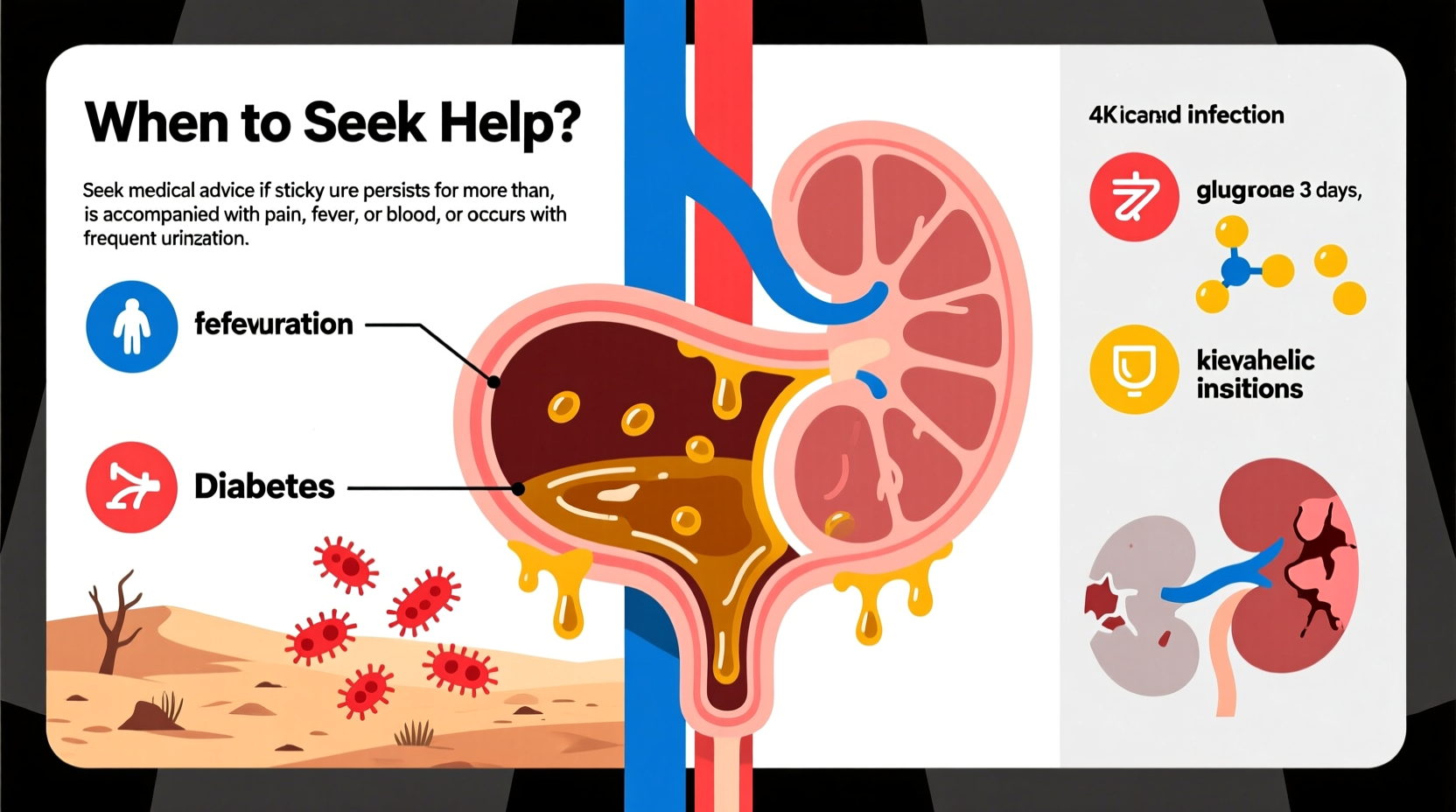
Sticky urine refers to urine that feels unusually thick, viscous, or leaves a residue after urination. It may appear cloudy or leave behind a film in the toilet bowl. Unlike normal urine—which is typically clear to pale yellow and watery—sticky urine often suggests the presence of substances like excess sugar, protein, mucus, or other organic compounds.
The sensation of stickiness can also be influenced by dehydration, which concentrates urine and increases its viscosity. However, when this condition persists despite adequate hydration, it may indicate a metabolic or renal issue.
Common Causes of Sticky Urine
Several physiological and pathological factors can lead to changes in urine texture. The most frequent causes include:
- Dehydration: Reduced water intake leads to concentrated urine with higher levels of waste products, making it appear darker and thicker.
- High Blood Sugar (Hyperglycemia): In diabetes, excess glucose spills into the urine (glucosuria), increasing its density and sometimes giving it a sweet, sticky feel.
- Proteinuria: Elevated protein levels in urine, often due to kidney dysfunction, can make urine frothy or viscous.
- Dietary Factors: Consuming large amounts of certain foods (e.g., asparagus, high-protein meals) or supplements may temporarily alter urine composition.
- Urinary Tract Infections (UTIs): Mucus, pus, or cellular debris from infections can change urine texture and appearance.
When Glucose Changes Urine Consistency
In uncontrolled diabetes, blood glucose levels rise beyond the kidney’s reabsorption capacity. Once glucose exceeds approximately 180 mg/dL, it begins to appear in the urine. This not only makes urine sticky but may also cause it to smell sweet—a classic sign historically noted by physicians before modern diagnostics.
“Persistent glucosuria is rarely benign. If a patient reports sticky or sweet-smelling urine, we investigate for diabetes immediately.” — Dr. Lena Patel, Endocrinologist at Cleveland Clinic
Less Common but Serious Causes
While dehydration and diabetes are leading explanations, other conditions should not be overlooked:
- Kidney Disease: Damaged glomeruli allow proteins like albumin to leak into urine, altering its physical properties.
- Orthostatic Proteinuria: A harmless condition where protein appears in urine only when standing, more common in adolescents.
- Semen Residue: Post-ejaculation, residual semen in the urethra may mix with urine, creating a temporary cloudy or sticky appearance.
- Rare Metabolic Disorders: Conditions like maple syrup urine disease (MSUD) cause amino acid buildup, resulting in thick, sweet-smelling urine—typically diagnosed in infancy.
Recognizing Red Flags
Certain symptoms accompanying sticky urine warrant prompt evaluation:
- Frequent urination with excessive thirst
- Foamy or bubbly urine persisting over days
- Swelling in legs, ankles, or face (indicative of protein loss)
- Pain or burning during urination
- Unexplained weight loss or fatigue
Diagnostic Process: What to Expect
If sticky urine persists beyond a day or two—especially with other symptoms—a medical assessment is essential. Diagnosis typically involves:
- Medical History Review: Your doctor will ask about diet, medications, existing conditions (e.g., diabetes, hypertension), and urinary habits.
- Physical Examination: Checking for signs of dehydration, edema, or infection.
- Urinalysis: A dipstick test detects glucose, protein, ketones, blood, and pH levels. Microscopic analysis checks for cells, crystals, or bacteria.
- Blood Tests: Fasting blood glucose, HbA1c, and kidney function markers (creatinine, eGFR) help assess metabolic and renal health.
- 24-Hour Urine Collection: For suspected proteinuria, this measures total protein excretion over a full day.
Do’s and Don’ts: Managing Suspected Sticky Urine
| Action | Do | Don't |
|---|---|---|
| Hydration | Drink water consistently throughout the day | Wait until you're thirsty to drink |
| Diet | Moderate sugar and processed carbohydrates | Consume excessive sweets or energy drinks |
| Symptom Tracking | Record changes in urine daily | Ignore recurring abnormalities |
| Testing | Use home glucose strips if diabetic | Self-diagnose based on internet searches |
| Medical Care | See a doctor if symptoms persist >48 hours | Delay evaluation due to embarrassment |
Real-Life Example: Early Detection Saves Kidney Function
Mark, a 47-year-old office worker, noticed his urine felt unusually sticky for over a week. He dismissed it initially, attributing it to drinking less water during busy workdays. However, he began experiencing swelling in his ankles and fatigue. After a routine check-up, his urinalysis revealed significant proteinuria and elevated blood pressure. Further testing confirmed early-stage chronic kidney disease linked to undiagnosed type 2 diabetes.
With timely intervention—including medication, dietary changes, and regular monitoring—Mark stabilized his condition. His doctor emphasized that catching protein leakage early prevented further kidney damage. “I didn’t think sticky urine could be serious,” Mark later said. “Now I know it was my body’s way of sounding the alarm.”
When to Seek Medical Help: A Clear Checklist
Use this checklist to determine whether professional evaluation is needed:
- ✅ Sticky urine lasts more than two days despite hydration
- ✅ You experience increased thirst, hunger, or urination frequency
- ✅ Urine is consistently foamy or has a strong unusual odor
- ✅ Swelling in extremities or around the eyes develops
- ✅ You have a family history of diabetes or kidney disease
- ✅ You notice unexplained weight loss or blurred vision
If three or more apply, schedule a visit with your primary care provider within the week. Early diagnosis improves outcomes significantly, especially for metabolic and renal disorders.
Frequently Asked Questions
Can sticky urine go away on its own?
Yes, if caused by temporary dehydration or diet, increasing fluid intake often resolves the issue within 24–48 hours. However, if it recurs without explanation, medical evaluation is necessary.
Is sticky urine always a sign of diabetes?
No, while glucosuria is a hallmark of uncontrolled diabetes, other conditions like kidney disease or UTIs can produce similar sensations. Only lab testing can confirm the cause.
Can children have sticky urine?
Rarely, but yes. Persistent sticky or sweet-smelling urine in infants or young children requires urgent evaluation to rule out inborn errors of metabolism like maple syrup urine disease.
Conclusion: Listen to Your Body’s Signals
Sticky urine is more than a curiosity—it can be an early indicator of systemic imbalances affecting your kidneys, metabolism, or overall hydration status. While not always dangerous, ignoring persistent changes risks missing treatable conditions at their most manageable stage. Pay attention to your body’s signals, stay hydrated, and don’t hesitate to seek medical advice when something feels off.




 浙公网安备
33010002000092号
浙公网安备
33010002000092号 浙B2-20120091-4
Comments
No comments yet. Why don't you start the discussion?