
For Disney collectors and craft enthusiasts alike, the joy of assembling a physical representation of a beloved character is unmatched. Among the most popular options featuring everyone’s favorite blue alien are Stitch building blocks and model kits. Both offer immersive building experiences, but they differ significantly in design, complexity, and long-term satisfaction. Choosing between them isn’t just about preference—it’s about understanding how each format aligns with your skills, time, and creative goals.
Stitch, with his mischievous grin and fluffy blue form, presents a unique challenge in miniature construction. Whether you're drawn to the modular flexibility of building blocks or the precision of pre-cut model pieces, the final product should feel rewarding. This article breaks down both formats, compares their key features, and helps you decide which offers the more enjoyable build experience.
Understanding the Two Formats
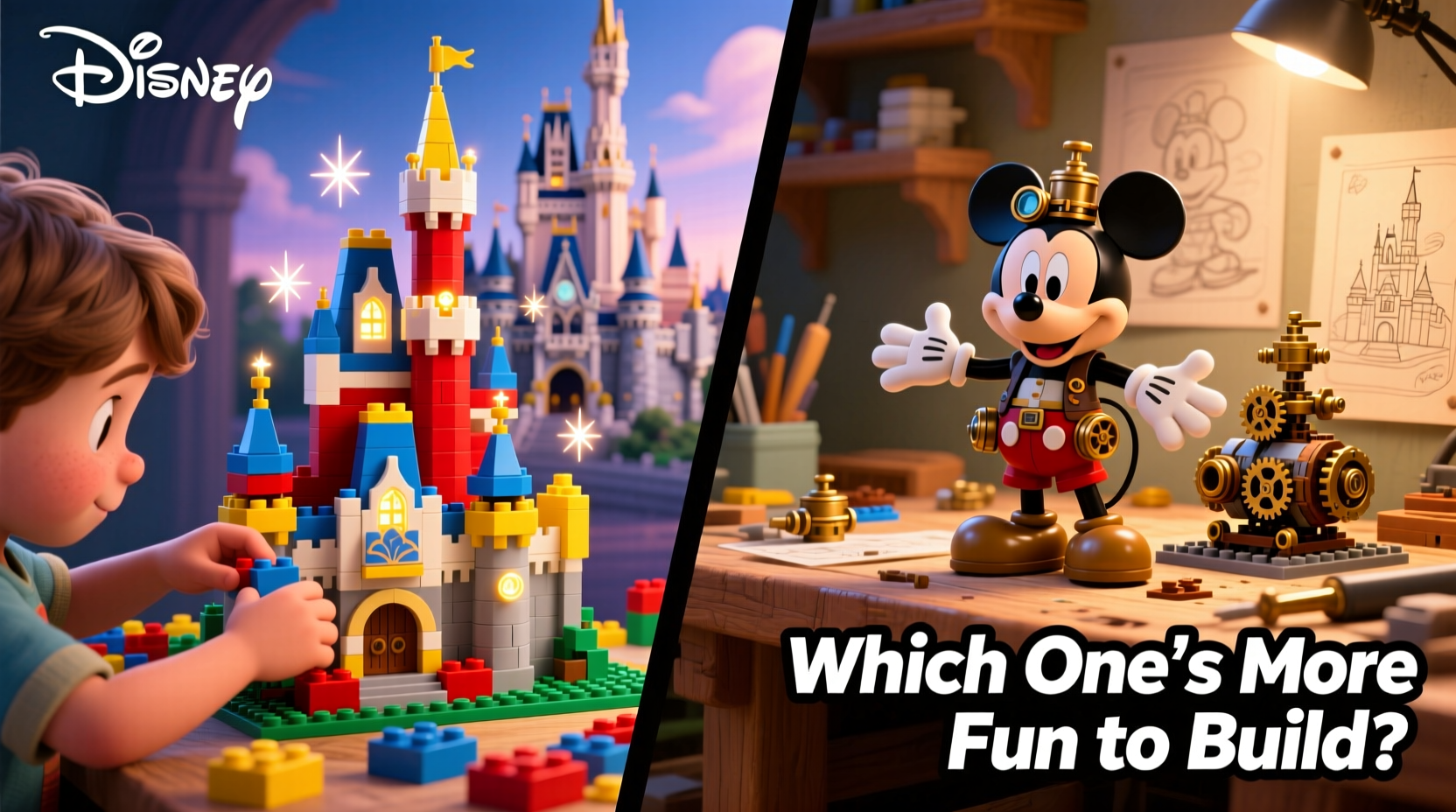
Building blocks and model kits may seem similar at first glance—both involve assembling small parts into a cohesive figure—but their execution varies widely.
Stitch Building Blocks typically refer to third-party or officially licensed sets that use interlocking plastic bricks. These resemble LEGO-style systems and allow for step-by-step assembly guided by illustrated instructions. The appeal lies in modularity; once built, models can often be disassembled and rebuilt creatively. Many sets include movable joints, expressive facial elements, and even display bases.
Model Kits, on the other hand, usually consist of pre-molded plastic panels (often polystyrene) that must be snapped out from frames, glued together, and sometimes painted. These are more common in scale modeling traditions and emphasize accuracy and detail over reusability. Once assembled, the model is generally permanent unless intentionally taken apart.
Comparison: Key Factors in Build Enjoyment
| Feature | Building Blocks | Model Kits |
|---|---|---|
| Difficulty Level | Beginner to intermediate; intuitive snapping system | Intermediate to advanced; requires glue, cutting, sanding |
| Build Time | 1–3 hours, depending on size | 3–8+ hours, including drying and detailing |
| Reusability | High—parts can be reused for new creations | Low—permanent once glued |
| Detail & Accuracy | Moderate; stylized but recognizable | High; fine textures, precise proportions |
| Tools Required | None (or basic brick separator) | Clippers, glue, sandpaper, paint (optional) |
| Display Appeal | Playful, colorful, great for shelves | Sophisticated, collector-grade finish |
Step-by-Step: What to Expect During Assembly
Understanding the actual process helps determine which format suits your patience and preferences.
Building Blocks: A Structured Yet Flexible Process
- Unbox and organize: Separate bags by step number and lay out pieces.
- Follow the manual: Step-by-step diagrams guide brick placement.
- Assemble limbs and torso: Typically starts with core structure, then adds ears, arms, and facial features.
- Add articulation: Some sets allow poseable joints using specialized connectors.
- Final touches: Attach accessories like the Hawaiian shirt or display stand.
The experience is methodical but forgiving. Mistakes are easy to correct, and younger builders can participate with minimal supervision.
Model Kits: Precision Over Simplicity
- Remove parts from sprues: Use clippers to detach pieces without damaging edges.
- Dry fit components: Test fit before gluing to ensure alignment.
- Glue major sections: Apply plastic cement to seams for strong bonding.
- Sand imperfections: Smooth flash or mold lines for clean surfaces.
- Paint and detail (optional): Enhance eyes, fur texture, and clothing with acrylics.
- Final assembly: Join head, limbs, and base carefully.
This route demands focus and steady hands. It’s less about play and more about craftsmanship. The result, however, is often more lifelike and visually striking.
Real Example: A Collector’s Experience
Lena, a 34-year-old Disney enthusiast from Portland, recently completed both a 700-piece Stitch building block set and a 1:12 scale model kit from a Japanese manufacturer. Her experience highlights key differences.
\"The building blocks took me a relaxed evening while watching Lilo & Stitch. I loved how the eyes clicked into place with a surprise expression change. It felt playful and nostalgic. But the model kit? That was a weekend project. I had to research paint shades for his exact blue, use a hobby knife to trim tiny edges, and wait hours for glue to dry. When it was done, though, I couldn’t believe how real he looked. One sits on my desk; the other is under glass in my display cabinet.\"
Her story reflects a broader trend: building blocks deliver instant gratification and interactive fun, while model kits offer a deeper sense of accomplishment through technical mastery.
“Model kits reward patience. Every brushstroke and precise cut adds emotional investment. With building blocks, the joy is in the process itself—not just the outcome.” — Rafael Torres, Miniature Model Artist and Disney Archive Contributor
Which Is More Fun? It Depends on Your Goals
“Fun” is subjective. For some, fun means creativity and freedom. For others, it’s the satisfaction of meticulous work.
- Choose building blocks if: You want a stress-free build, enjoy customizing or rebuilding, involve kids, or prefer vibrant, toy-like displays.
- Choose model kits if: You appreciate realism, enjoy painting and detailing, seek a meditative hobby, or prioritize shelf presence over reusability.
Checklist: How to Choose the Right Format for You
- ☐ Do I want to rebuild or modify the model later?
- ☐ Am I comfortable using glue, paint, or small tools?
- ☐ Do I have 3+ uninterrupted hours for detailed work?
- ☐ Is display quality more important than interactivity?
- ☐ Will children be involved in the build?
- ☐ Do I already own modeling tools or need to buy them?
If you answered “yes” to the first three questions, building blocks are likely the better choice. If the last three resonate more, a model kit will fulfill your collector’s instinct.
Frequently Asked Questions
Are Stitch building blocks compatible with major brick brands?
Many third-party sets are designed to be compatible with leading brick systems, allowing integration into existing collections. Always check packaging for compatibility symbols before purchasing.
Can I paint a building block Stitch for more detail?
While possible, painting plastic bricks can reduce their ability to connect properly. Acrylics may chip or clog connection points. For customization, consider using specialty stickers or swapping pieces instead.
Where can I find high-quality Stitch model kits?
Premium model kits are often released by companies like Bandai, Kotobukiya, or Sekiguchi. They may be imported, so check reputable online retailers or anime/collector conventions for availability.
Conclusion: Build What Brings You Joy
In the end, whether you choose Stitch building blocks or model kits, the real magic lies in the act of creation. Each format celebrates fandom in its own way—one through accessible play, the other through dedicated artistry. There’s no wrong answer when the goal is personal enjoyment.
Building blocks invite participation, experimentation, and ongoing engagement. Model kits honor precision, patience, and presentation. Consider what kind of memory you want to create: the laughter of a family building together, or the quiet pride of a solo achievement.




 浙公网安备
33010002000092号
浙公网安备
33010002000092号 浙B2-20120091-4
Comments
No comments yet. Why don't you start the discussion?