
As summer temperatures rise, pet owners face a growing concern: how to keep their dogs cool, safe, and genuinely comfortable outdoors. With increasing marketing around pet accessories like straw hats and cooling hats, it’s natural to wonder—do these products actually help? Or are they just fashion statements with little functional benefit? The truth lies somewhere in between, and understanding the science, design, and real-world application of each option is essential to making an informed choice that prioritizes your dog’s well-being.
Dogs primarily regulate body temperature through panting and limited sweat glands in their paw pads. Unlike humans, they cannot efficiently cool down through skin evaporation. This biological limitation makes them especially vulnerable to heat stress, dehydration, and even heatstroke during hot weather. While shade, hydration, and avoiding midday sun remain the most effective protections, supportive gear such as hats may play a supplementary role—if chosen wisely.
The Role of Head Protection in Canine Heat Management
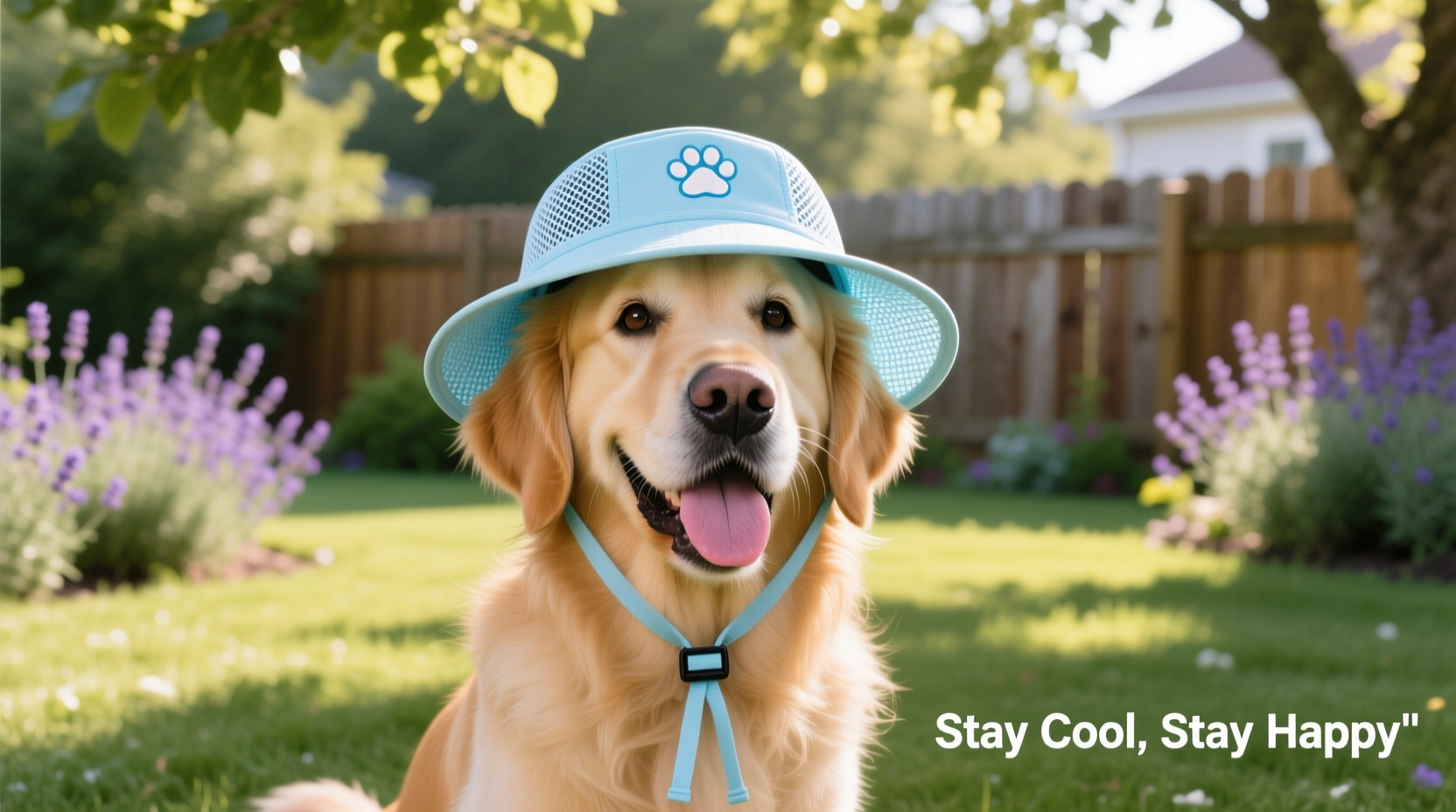
The head, particularly the ears and nose, is highly sensitive to sunlight and prone to sunburn, especially in dogs with light-colored fur or thin coats. Prolonged exposure can lead to discomfort, skin damage, and increased risk of skin cancer. A hat that provides shade to the face and ears can reduce solar radiation and offer localized relief. However, not all hats serve this purpose equally.
Two popular options dominate the market: straw hats and cooling hats. Straw hats are typically made from woven natural fibers and resemble human sun hats. Cooling hats, on the other hand, often use gel inserts, evaporative fabrics, or phase-change materials designed to absorb and dissipate heat. Each has distinct advantages and drawbacks when it comes to actual canine comfort and safety.
Straw Hats: Style vs. Functionality
Straw hats for dogs are often marketed as cute, summery accessories. They provide broad brims that cast shade over the eyes, ears, and snout—offering UV protection and reducing glare. For dogs that tolerate headwear, a lightweight, breathable straw hat can be a low-tech way to minimize sun exposure during early morning or late afternoon walks.
However, functionality is limited. Straw does not actively cool; it only blocks sunlight. In high humidity or direct midday heat, the trapped air under the hat can become warm, potentially creating a microclimate that increases discomfort. Additionally, many straw hats lack secure fastening systems, leading to slipping or falling off during movement.
Veterinarian Dr. Laura Simmons notes:
“While shade from a hat can prevent sunburn on delicate facial skin, it should never replace proper environmental management like access to shade and water.” — Dr. Laura Simmons, DVM, Canine Dermatology Specialist
Cooling Hats: How They Work and What to Look For
Cooling hats are engineered to lower temperature through physical principles such as evaporation or thermal conduction. Most common types include:
- Evaporative cooling hats: Made from moisture-retaining fabric (like polyvinyl alcohol), these require soaking in water before use. As the water evaporates, it draws heat away from the dog’s head.
- Gel-based cooling hats: Contain non-toxic gel packs that are chilled before being inserted into the hat. These provide conductive cooling but only for limited durations.
- Phase-change material (PCM) hats: Use advanced materials that absorb heat as they transition from solid to liquid state, offering longer-lasting temperature regulation.
These hats can lower surface temperature by 5–10°F (3–6°C) for up to two hours, depending on conditions. However, effectiveness depends on airflow, ambient humidity, and fit. In very humid environments, evaporative models lose efficiency because the air is already saturated with moisture.
Step-by-Step Guide to Using a Cooling Hat Safely
- Choose a hat specifically designed for dogs, with adjustable straps and ventilation.
- Soak evaporative hats in cool water for 2–3 minutes; squeeze out excess (do not wring).
- Chill gel or PCM hats in the refrigerator (never freezer—extreme cold can harm tissue).
- Introduce the hat gradually indoors to allow your dog to acclimate.
- Monitor for signs of distress—panting, whining, or attempts to remove the hat.
- Limit outdoor use to 30–60 minutes, then allow a break in the shade.
- Rewet or rechill as needed, following manufacturer instructions.
Comparative Analysis: Straw Hat vs. Cooling Hat
| Feature | Straw Hat | Cooling Hat |
|---|---|---|
| UV Protection | High (broad brim) | Medium to High (depends on coverage) |
| Active Cooling | No | Yes (evaporative, gel, or PCM) |
| Breathability | High (natural fibers) | Varies (some synthetic layers reduce airflow) |
| Durability | Low (fragile, degrades with moisture) | Moderate to High (depending on material) |
| Comfort & Fit | Poor (often slips, no adjustability) | Better (designed for canine anatomy) |
| Best Use Case | Short photo sessions, shaded walks | Active outdoor time in moderate heat |
Real-World Example: Max the Golden Retriever at the Beach
Max, a 4-year-old golden retriever, accompanied his family on a beach outing in July. Temperatures reached 90°F (32°C) with high humidity. His owner tried both a straw sun hat and a reusable evaporative cooling cap.
The straw hat provided initial shade, but within 15 minutes, Max began pawing at it. Sand and wind dislodged it repeatedly, and he eventually refused to wear it. Later, his owner introduced a cooling hat that had been soaked and cooled. Max tolerated it better due to its snug, soft fit. Over a 45-minute walk along the shoreline, the hat helped keep his head temperature regulated. He showed fewer signs of overheating—less frantic panting and more willingness to rest under a beach umbrella.
This case illustrates a key insight: functionality and fit matter more than appearance. While the straw hat failed under dynamic conditions, the cooling hat offered measurable, practical benefits when used appropriately.
Essential Checklist Before Buying Any Dog Hat
- ✅ Measure your dog’s head circumference for proper fit
- ✅ Ensure the hat allows full ear movement and doesn’t obstruct vision
- ✅ Check for adjustable straps (chin or behind ears)
- ✅ Prioritize lightweight, breathable materials
- ✅ Verify ease of cleaning (machine washable or wipeable)
- ✅ Confirm the dog accepts wearing it without stress
- ✅ Avoid hats with small detachable parts (choking hazard)
Frequently Asked Questions
Can dogs overheat even if they’re wearing a cooling hat?
Yes. A cooling hat addresses only a small part of the body and cannot prevent systemic overheating. It should never replace shade, water, and avoiding peak heat hours. Dogs can still suffer heatstroke despite wearing one, especially if exercising vigorously or left in hot environments.
Are straw hats safe for dogs with floppy ears?
They can be, but only if the brim doesn’t press against or fold the ears unnaturally. Breeds like spaniels or hounds may find traditional straw hats uncomfortable. Look for styles with cutouts or flexible brims designed for ear accommodation.
How long do cooling hats last?
Most last 1–3 years with regular use. Evaporative fabrics degrade over time, and gel packs may leak. Inspect for wear before each use and replace damaged units immediately.
Final Thoughts: Prioritizing Comfort Over Cuteness
In the debate between straw hats and cooling hats, the latter clearly offers superior functional value for keeping dogs cooler in summer. However, no hat replaces responsible pet ownership: limiting outdoor activity during heatwaves, providing ample water, and recognizing early signs of heat stress.
If you choose to use a hat, let your dog’s behavior guide you. A happy, relaxed dog wearing a cooling hat may benefit from mild thermal relief. But a stressed dog fighting a fashionable straw accessory is better off without any headgear at all.




 浙公网安备
33010002000092号
浙公网安备
33010002000092号 浙B2-20120091-4
Comments
No comments yet. Why don't you start the discussion?