
When a child unwraps a stuffed toy, the experience begins long before the plush is revealed. The packaging sets the tone—whether it’s a birthday surprise, holiday gift, or retail purchase. One detail often sparks debate: the use of ribbon. Is it an unnecessary flourish, adding cost and waste? Or does it elevate the presentation, transforming a simple toy into a cherished keepsake? The answer lies at the intersection of emotion, branding, and consumer psychology.
The Emotional Impact of Presentation
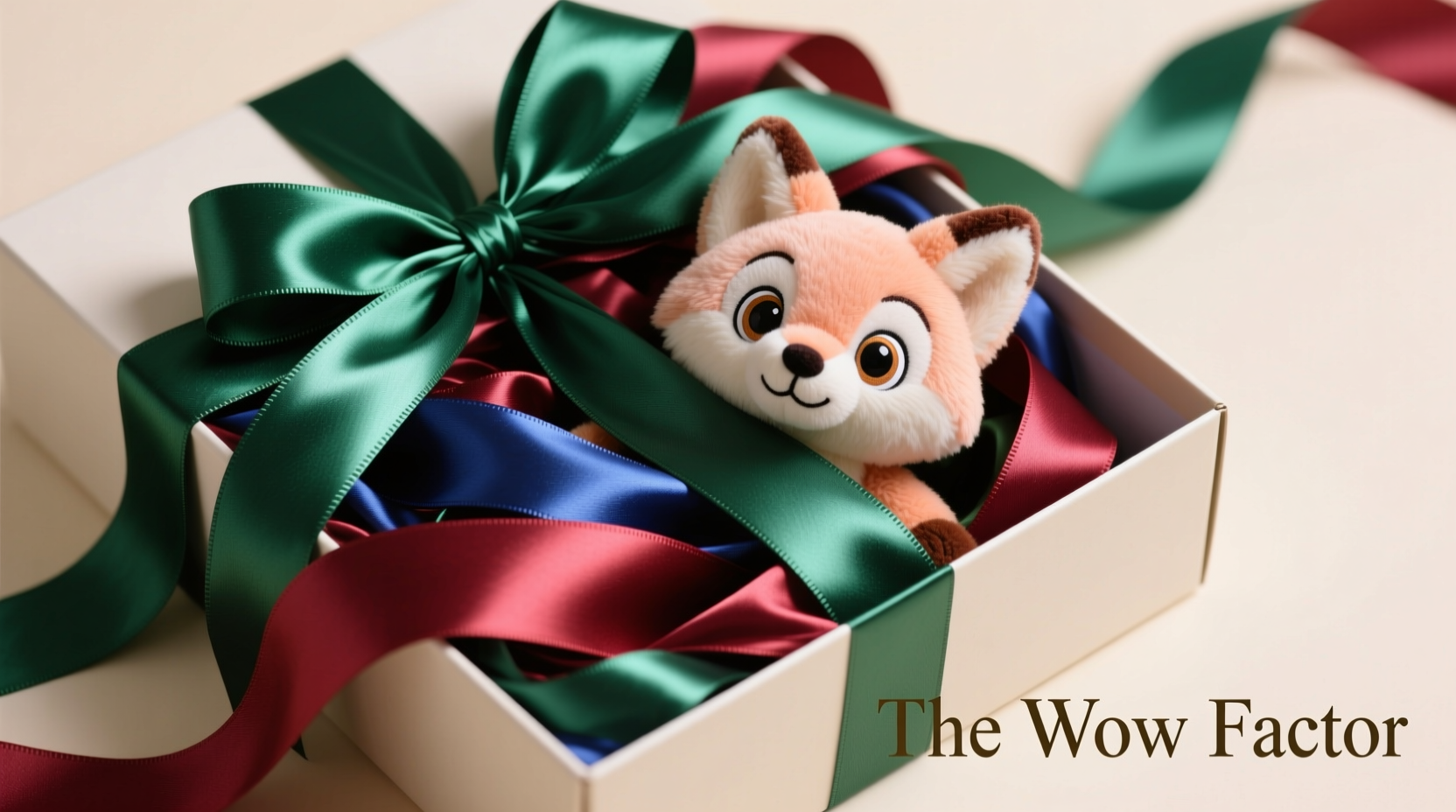
Packaging isn’t just about protection—it’s storytelling. A well-wrapped stuffed toy signals care, intention, and thoughtfulness. Ribbon, in particular, introduces a tactile and visual cue associated with celebration. From childhood parties to formal gifts, ribbons are culturally embedded with meaning: something special is inside.
Consider the moment a child pulls on a satin bow. That small action builds anticipation. The rustle of paper, the snap of tape, and finally—the reveal. Studies in sensory marketing show that multi-sensory experiences increase emotional attachment to products. A ribbon engages touch and sight, making the unboxing more memorable than a plain box sealed with adhesive.
“Presentation can transform a commodity into a keepsake. In children’s products, where emotion drives purchasing, every detail counts.” — Dr. Lila Monroe, Consumer Behavior Researcher
Branding and Retail Strategy
In competitive markets like toys, packaging differentiates brands. Major companies like Jellycat or Mary Meyer invest heavily in premium presentation. Their signature ribbons aren’t accidental—they’re brand extensions. A consistent color, texture, or bow style becomes instantly recognizable, reinforcing brand identity even after the toy is removed from the box.
Retailers also benefit. A ribbon-adorned toy stands out on crowded shelves. It suggests higher value, which justifies premium pricing. Consumers often equate elaborate packaging with quality, even when the product inside is identical to a simpler version.
However, there’s a threshold. Overpackaging risks alienating eco-conscious buyers. If the ribbon is plastic-coated, non-recyclable, or purely ornamental, it may be perceived as wasteful. The key is balance: aesthetic appeal without excess.
Practical Considerations: Cost, Sustainability, and Functionality
While ribbon enhances perception, it introduces real-world trade-offs. Let’s break them down:
| Factor | Pros | Cons |
|---|---|---|
| Consumer Appeal | Increases perceived value and gifting suitability | Limited impact if overall packaging is low-quality |
| Production Cost | Minimal per unit at scale; high ROI in premium lines | Adds expense for budget-focused brands |
| Sustainability | Natural fiber ribbons (cotton, jute) are biodegradable | Plastic-based ribbons contribute to microplastic pollution |
| Functionality | Can secure boxes or act as a hanging loop | Loose ends may tangle or pose choking hazards for young children |
For small businesses and independent artisans, ribbon can be a cost-effective branding tool. A custom-dyed silk ribbon with a logo tag adds luxury without requiring expensive box redesigns. But sustainability must be addressed. Opting for recyclable materials and minimizing length ensures aesthetic value doesn’t come at environmental cost.
Mini Case Study: The “Bear & Bow” Dilemma
“Teddy Lane,” a boutique plush brand based in Vermont, faced a critical decision during their holiday launch. Their bestselling bear came in a kraft window box, tied with twine. Sales were steady but unspectacular. For the Christmas edition, they introduced a cream-colored satin ribbon with a gold charm. Price increased by $2.50 due to material and labor.
Results surprised them: holiday sales rose 37% year-over-year. Customer feedback highlighted phrases like “felt luxurious,” “perfect for gifting,” and “the ribbon made it special.” One parent wrote, “My daughter kept the box and ribbon to play pretend store—she loved the whole experience.”
Encouraged, Teddy Lane tested a minimalist version post-holidays: same bear, no ribbon. Returns didn’t drop, but online reviews noted “less festive” and “feels cheaper.” The lesson? Ribbon wasn’t essential for function—but it was vital for emotional resonance during gifting seasons.
When Ribbon Adds Value—And When It Doesn’t
Ribbon isn’t universally beneficial. Its effectiveness depends on context. Below is a step-by-step guide to help brands and gift-givers decide whether to include it:
- Identify the purpose: Is this a gift, retail product, or promotional item? Gifts benefit most from decorative touches.
- Assess the audience: Children respond to color and texture; adults appreciate elegance and craftsmanship.
- Evaluate the toy’s value: High-end plush (e.g., heirloom-quality or limited editions) justifies premium packaging.
- Choose sustainable materials: Cotton, hemp, or recycled paper ribbons align with eco-values.
- Test the unboxing: Watch someone open the package. Does the ribbon enhance the experience, or feel like clutter?
Checklist: Responsible Ribbon Use in Stuffed Toy Packaging
- ☑ Use natural or recyclable ribbon materials
- ☑ Limit length to functional needs (e.g., securing, not draping)
- ☑ Avoid plastic-coated or metallic finishes unless fully recyclable
- ☑ Pair with minimal, eco-friendly box design
- ☑ Include a note explaining sustainable choices (e.g., “Our ribbon is 100% organic cotton”)
- ☑ Test for child safety: no loose threads, sharp edges, or small detachable parts
Frequently Asked Questions
Does ribbon really influence buying decisions?
Yes, especially in gifting categories. Research shows that 68% of consumers are more likely to purchase a product perceived as “gift-ready.” Ribbon is one of the fastest, lowest-cost ways to signal gifting suitability.
Are there safe alternatives to traditional ribbon?
Absolutely. Options include braided cotton cords, reusable fabric ties, printed paper strips, or even integrated box flaps designed to mimic bows. These maintain visual appeal while improving safety and sustainability.
Should all stuffed toys have ribbon, or only premium ones?
Ribbon should match brand positioning. Budget toys aimed at bulk sales (e.g., party favors) don’t need it. But for mid-to-high-tier products—especially those marketed as sentimental gifts—ribbon reinforces value and care.
Conclusion: The Ribbon Verdict
Ribbon in stuffed toy packaging isn’t inherently overkill—nor is it automatically essential. Its success hinges on intentionality. When used thoughtfully, it adds that undeniable wow factor: elevating a simple plush into a moment of joy, a memory in the making. But when applied without regard for safety, sustainability, or brand alignment, it becomes mere decoration—a costly flourish with little return.
The future of toy packaging lies in meaningful design: elements that serve both emotion and ethics. A ribbon can do both—if chosen wisely. Whether you're a manufacturer, retailer, or parent wrapping a gift at home, ask: does this detail enhance the experience? If yes, tie it with pride. If not, let it go.




 浙公网安备
33010002000092号
浙公网安备
33010002000092号 浙B2-20120091-4
Comments
No comments yet. Why don't you start the discussion?