
In recent years, oversized watches have surged in popularity—driven by bold fashion statements and the revival of vintage-inspired designs. However, their larger dials can easily dominate the wrist if not styled thoughtfully. For many, especially those with smaller frames or delicate features, the challenge lies in balancing proportion without sacrificing personality. The key isn’t avoiding big-face watches altogether but learning how to wear them in a way that enhances your overall aesthetic. When done right, a large-dial timepiece can elevate your presence, project confidence, and become a signature element of your personal style.
Understand Proportion and Wrist Real Estate
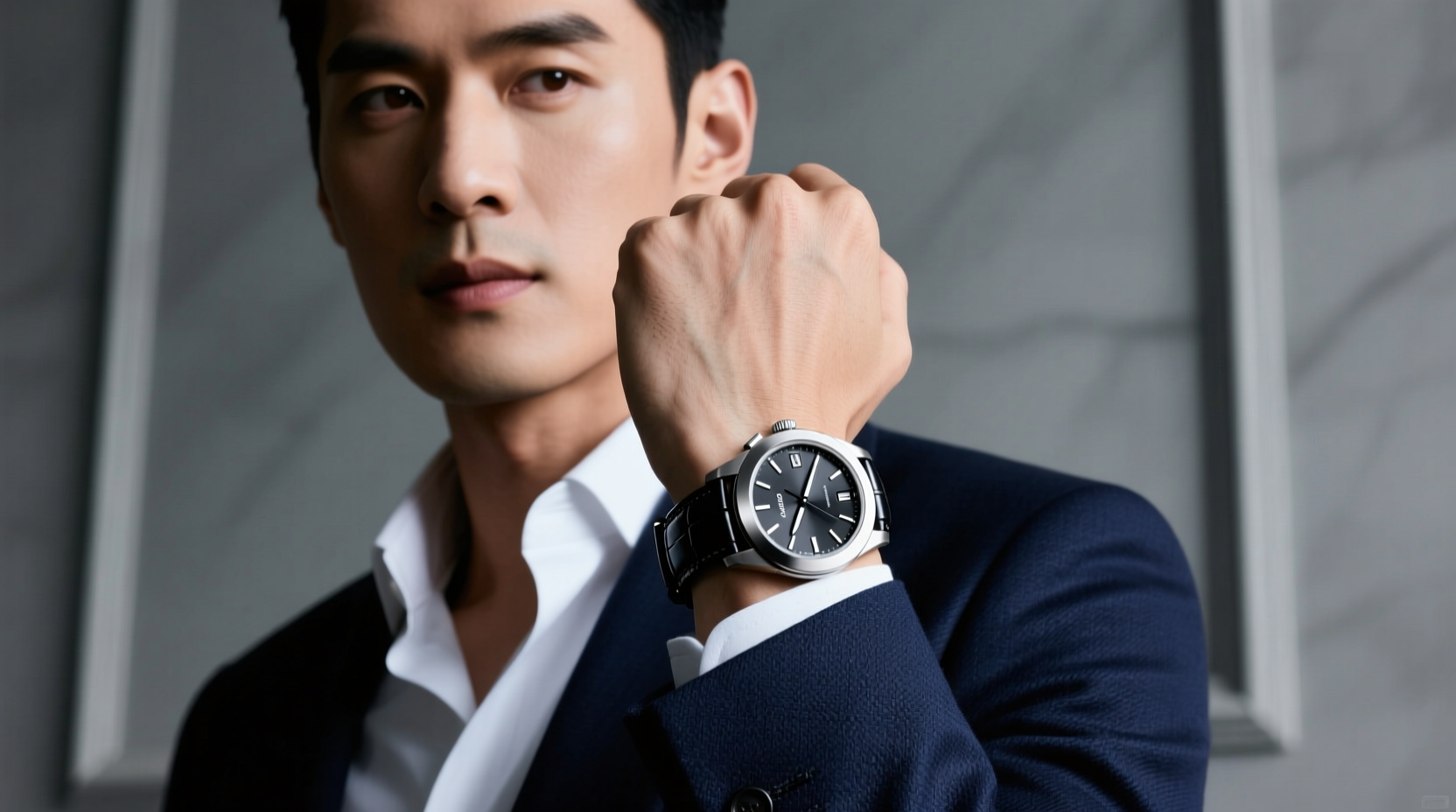
Your wrist size plays a crucial role in determining how a big-face watch will appear on you. A general rule is that the watch case should not extend beyond the width of your wrist bone. If it does, the watch may look bulky rather than bold. Measure your wrist circumference and compare it with the watch case diameter. For example:
| Wrist Size (inches) | Recommended Watch Case Size | Big-Face Watch Suitability |
|---|---|---|
| 5.5 – 6 | 34–38mm | Limited—opt for thinner cases or lugs that don’t extend |
| 6 – 7 | 38–42mm | Ideal range for most oversized designs |
| 7+ | 42mm+ | Excellent fit for bold, large-dial watches |
Even if your wrist falls on the smaller side, modern design elements like slim bezels, curved lugs, and lightweight materials can make a 40mm+ watch feel balanced. Focus less on absolute size and more on visual harmony.
Choose the Right Strap to Balance Volume
The strap is often overlooked, yet it dramatically influences how a large watch sits on your arm. A thick metal bracelet might amplify bulk, while a sleek leather or nylon strap can offset the dial’s dominance with elegance and lightness.
- Leather straps: Offer a refined contrast. Opt for tapered styles that narrow toward the buckle to create a streamlined effect.
- NATO or fabric straps: Lightweight and casual, they reduce visual weight and are ideal for sporty or everyday wear.
- Metal bracelets: Best suited for broader wrists or when the watch already has fine lugs and a low profile. Consider brushed finishes to minimize glare and perceived size.
- Rubber/fluoro straps: Modern and flexible, these work well with dive-style oversized watches and add a sport-luxury edge.
Avoid overly wide straps that match the case width exactly—they can make the watch look like a block. Instead, select a strap that’s slightly narrower than the lug width to introduce subtle tapering and refinement.
Coordinate with Your Outfit and Occasion
A big-face watch shouldn’t exist in isolation—it should harmonize with your clothing. Oversized dials lean toward statement pieces, so consider the context.
With tailored suits or formal attire, choose minimalist oversized watches: clean dials, monochrome colors, and slim profiles. A black-dial chronograph with a dark leather strap under a French cuff adds sophistication without clashing.
For casual looks, embrace bolder designs—think chunky dive watches or retro digital models. Pair them with rolled-up denim sleeves or short-sleeve shirts to give the watch room to breathe. Avoid long sleeves that cover the watch entirely; partial visibility maintains balance.
“An oversized watch works best when it’s part of a deliberate style narrative, not an afterthought.” — Marcus Lin, Watch Stylist & Contributor, *Time & Tides Magazine*
Master the Art of Layering and Accessories
If you wear other wrist accessories—bracelets, beaded bands, or smartbands—coordination is essential. A large watch already commands attention, so additional pieces should complement, not compete.
Stick to one or two thin bracelets on the opposite wrist. If stacking on the same side, keep them minimal: a single slim chain or a leather band in a matching tone. Over-accessorizing can make the hand and forearm appear cluttered, drawing negative attention to the watch’s size.
Also consider your watch’s height (thickness). A thick case combined with stacked bangles can feel cumbersome. Prioritize comfort and fluid movement.
Step-by-Step Guide to Styling Your Big-Face Watch
Follow this five-step process to ensure your oversized timepiece enhances your look:
- Measure your wrist and compare it to the watch case diameter. Aim for no more than 80% coverage across the wrist width.
- Select a complementary strap—prioritize tapering, material lightness, and color coordination with your wardrobe.
- Test wear with different outfits, including formal, business casual, and weekend looks. Note how much of the watch remains visible.
- Evaluate movement and comfort. If the watch tilts or feels top-heavy, adjust strap tightness or consider a different style.
- Limit competing accessories. Keep the focus on the watch by minimizing other wrist items.
Real-Life Example: Alex’s Style Transformation
Alex, a 5'6\" graphic designer with slender wrists, loved the look of vintage pilot watches but found most oversized models overwhelming. His first attempt—a 44mm steel chronograph with a wide bracelet—made his hands look disproportionate in client meetings.
After consulting a stylist, he switched to a 42mm matte-black field watch with a 20mm tapered canvas strap. The darker dial receded visually, and the fabric strap reduced weight. He wore it with rolled-up shirt sleeves and neutral-toned jackets. The result? Clients noticed his attention to detail, and the watch became a conversation starter—without overshadowing his presence.
The change wasn’t about downsizing, but about smart styling. The new combination gave him the bold aesthetic he wanted, now balanced and intentional.
Do’s and Don’ts at a Glance
| Do’s | Don’ts |
|---|---|
| Choose watches with slimmer profiles even if the diameter is large | Pair oversized watches with long, loose sleeves that hide them completely |
| Use tapered straps to create visual narrowing | Stack multiple thick bracelets on the same wrist |
| Match the watch finish to other metallic accessories (belt buckle, glasses) | Wear highly reflective watches under bright lighting if seeking subtlety |
| Roll up sleeves to showcase the watch intentionally | Force a trend that doesn’t suit your build—style is personal, not prescriptive |
Frequently Asked Questions
Can someone with small wrists wear a big-face watch?
Yes, but with careful selection. Look for watches with shorter lugs, thinner cases, and lighter materials like titanium or resin. A 40–42mm watch with a well-designed case can work beautifully even on smaller wrists.
Are oversized watches still in style in 2024?
Absolutely. While micro-watches are trending in niche circles, oversized dials remain dominant in mainstream fashion, especially in luxury sports and heritage-inspired designs. The key is wearing them with intention, not simply following size trends.
Should I match my watch color to my outfit?
Not necessarily. Contrast often works better—e.g., a silver watch with navy clothing or a black dial with earth tones. However, coordinating metal tones (silver watch with silver belt buckle) creates cohesion. Let the watch stand out, but not clash.
Final Thoughts: Make It Yours
A big-face watch isn’t just a tool for telling time—it’s a reflection of attitude, taste, and confidence. When styled with awareness of proportion, texture, and context, it becomes an asset rather than an anomaly. Whether you're drawn to the commanding presence of a diver's watch or the retro charm of a 70s chronograph, the goal is harmony: a seamless extension of your personal aesthetic.




 浙公网安备
33010002000092号
浙公网安备
33010002000092号 浙B2-20120091-4
Comments
No comments yet. Why don't you start the discussion?