
A cluttered entryway sets the tone for a disorganized home. Keys tossed on countertops, lost in coat pockets, or buried under mail are more than just an annoyance—they disrupt routine, waste time, and undermine the calm of a well-curated space. The solution isn’t another basket or hook; it’s a thoughtful fusion of form and function: stylish and functional key storage ornaments. These pieces go beyond mere utility, acting as design statements that anchor your entryway while solving one of the most common household frustrations.
Unlike traditional key hooks or generic bowls, modern key storage ornaments merge craftsmanship with purpose. They reflect personal style, support intentional habits, and turn a small but essential ritual—grabbing your keys—into a seamless part of your day. When chosen wisely, they become both a focal point and a functional asset, proving that practicality doesn’t have to compromise aesthetics.
The Role of Design in Daily Function
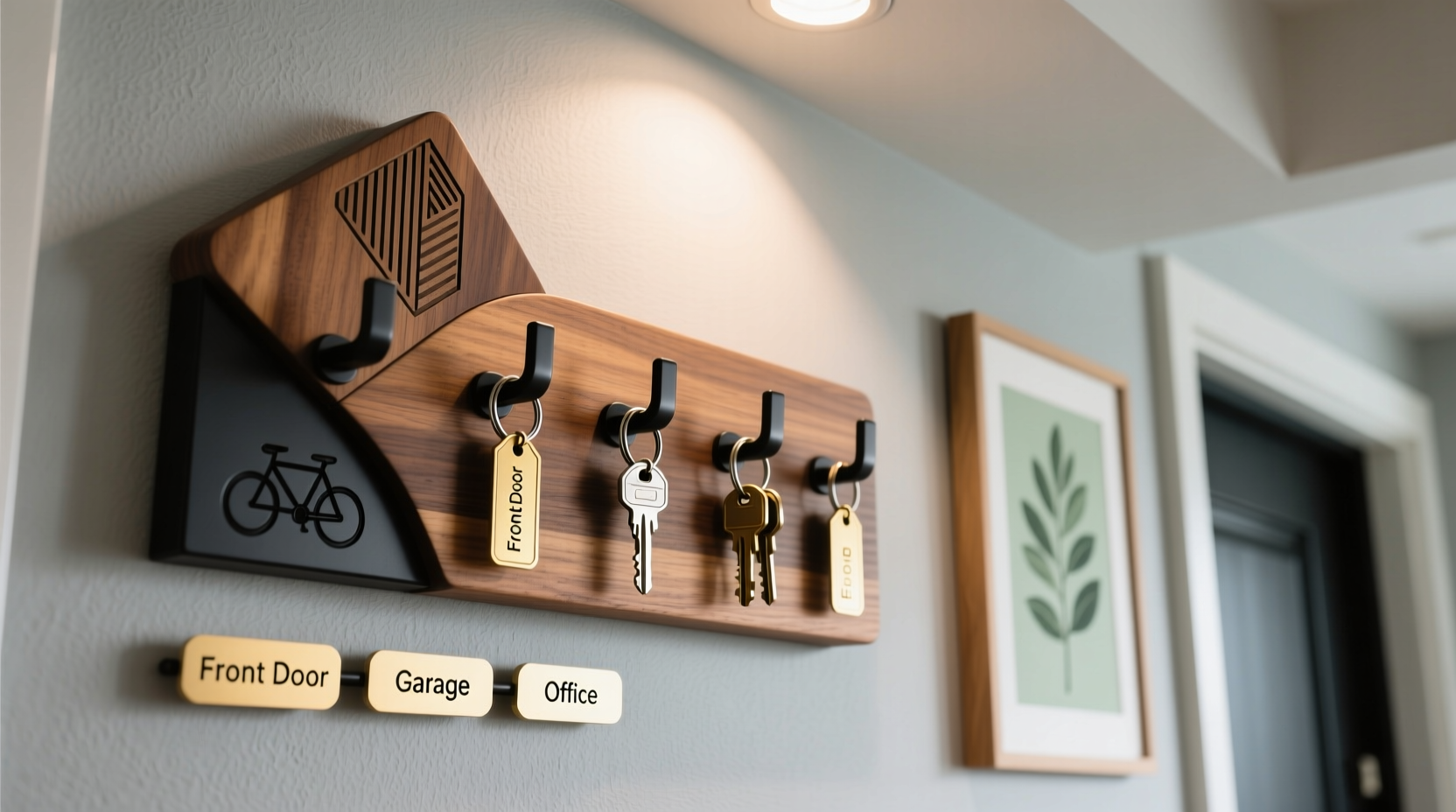
Entryways are transitional zones, often overlooked in home design despite their high traffic. Yet, this space influences your departure and return experience. A thoughtfully designed key storage ornament contributes to what interior designers call “intentional living”—a concept where every object has a place and purpose.
These ornaments range from sculptural wall mounts shaped like animals or abstract forms to decorative boxes embedded with magnetic trays or hidden compartments. Materials vary widely: hand-carved wood, ceramic, brass, marble, and even repurposed vintage items. What unites them is their ability to blend into a room’s aesthetic while serving a clear organizational role.
Why Traditional Solutions Fall Short
Generic key bowls or adhesive hooks often fail because they lack permanence and cohesion. A ceramic dish may slide when bumped; a sticky hook peels off after months. Worse, these items rarely align with a room’s design language, appearing as afterthoughts rather than integrated elements.
In contrast, mounted or weighted key ornaments offer stability and intentionality. Wall-mounted units keep keys at eye level, reducing the chance of misplacement. Freestanding pieces with weight—like stone or cast metal—resist accidental displacement. Their deliberate presence encourages consistent use, turning key management into a habit supported by design.
Choosing the Right Key Storage Ornament
Selecting the ideal piece requires balancing three factors: size, location, and lifestyle. A family of four needs more capacity than a single professional. Urban dwellers who carry multiple access fobs may require additional slots or compartments. Consider these guidelines when evaluating options:
- Assess your key load: Do you carry house, car, office, and mailbox keys? Include fobs, garage openers, or smart tags?
- Determine placement: Wall-mounted near the door? On a console table? At child-accessible height?
- Evaluate durability: High-traffic homes benefit from scratch-resistant or non-porous materials.
- Match your décor: Minimalist spaces suit sleek metals; rustic interiors pair well with wood or hammered iron.
| Material | Pros | Cons | Best For |
|---|---|---|---|
| Brass/Metal | Durable, elegant, develops patina | Can tarnish; heavier | Modern, industrial, or classic entries |
| Ceramic | Vibrant glazes, artistic appeal | Fragile if dropped | Decorative consoles, low-traffic areas |
| Wood (solid or carved) | Warm, natural look; lightweight | May warp in humidity | Rustic, Scandinavian, or bohemian styles |
| Stone/Marble | Luxurious, stable base | Expensive; heavy | High-end entry tables |
Real-Life Transformation: The Miller Family Entryway
The Millers, a family of five in Portland, struggled with morning chaos. Keys vanished daily—sometimes in backpacks, sometimes in kitchen drawers. Their solution was a custom walnut wall mount with six labeled brass hooks and a lower tray for dog leashes and sunglasses.
Installed at adult and child height, the piece became a central hub. Within a week, misplaced keys dropped to zero. More importantly, the children began using their designated hooks independently. The unit, finished with a matte oil stain, complemented the oak flooring and minimalist shelving, earning compliments from guests.
“It’s not just about finding keys,” said Sarah Miller. “It’s about starting the day without stress. That little piece made our mornings smoother and our entryway feel intentional.”
Expert Insight: The Psychology of Placement
“Where we store everyday objects signals how much control we have over our environment. A beautiful key holder tells the brain: *This belongs here.* That small cue reduces decision fatigue and supports consistency.” — Dr. Lena Torres, Environmental Psychologist & Author of *Designing Calm*
Dr. Torres emphasizes that visibility and accessibility are critical. If a storage solution is tucked away or visually jarring, it’s less likely to be used consistently. Ornamental key holders succeed because they occupy a sweet spot: they’re noticeable enough to remind users, yet attractive enough to welcome repeated attention.
Step-by-Step Guide to Installing Your Key Storage Ornament
Maximize effectiveness with proper installation. Follow this sequence:
- Choose the location: Near the primary exit, at eye level or slightly lower for children.
- Gather tools: Measuring tape, pencil, level, drill (if mounting), screws, anchors (for drywall).
- Mark the spot: Hold the mounting template or backplate against the wall and trace screw holes.
- Drill pilot holes: Use appropriate anchors if not hitting a stud.
- Secure the unit: Attach firmly, then double-check alignment with a level.
- Add labels (optional): Use small engraved tags or colored markers for each family member.
- Establish the habit: For one week, consciously place keys there upon entering—repetition builds routine.
Top 5 Key Storage Ornament Ideas
- The Sculptural Hook: A single, artful brass deer head with antlers serving as hooks.
- Magnetic Stone Dish: A smooth river rock with a hidden magnetic base to hold steel keys securely.
- Mini Book Safe Holder: A hollowed-out book mounted on the wall, doubling as a secret key compartment.
- Geometric Wall Planter Combo: A hexagonal wooden unit with a small succulent pot above and key hooks below.
- Vintage-Inspired Latch Box: A wall box resembling an old mailbox, with individual numbered slots for each household member.
FAQ
Can key storage ornaments work in small apartments?
Absolutely. Compact wall-mounted designs save surface space and are ideal for studio layouts. Look for multi-functional pieces, such as those combining hooks with a small shelf or mirror.
Are these suitable for renters?
Yes. Many freestanding or adhesive-backed options require no drilling. Use removable mounting strips rated for heavy loads, or opt for weighted desktop versions that won’t damage walls.
How do I clean and maintain a decorative key holder?
Dust regularly with a soft cloth. For metal, use a polish suited to the finish (e.g., brass cleaner). Wood benefits from occasional conditioning with beeswax. Avoid harsh chemicals that could degrade finishes or discolor materials.
Conclusion: Elevate Routine with Intentional Design
Organizing your entryway isn’t just about tidiness—it’s about designing a space that supports your life. Stylish and functional key storage ornaments exemplify how small changes yield significant results. They eliminate daily friction, enhance visual appeal, and reinforce habits through intelligent design.
Don’t settle for clutter disguised as convenience. Invest in a piece that reflects your taste and meets your needs. Whether it’s a handcrafted ceramic dish or a sleek magnetic panel, let your key storage be a statement of order and elegance. Transform your entryway from an afterthought into a purposeful, welcoming transition zone.




 浙公网安备
33010002000092号
浙公网安备
33010002000092号 浙B2-20120091-4
Comments
No comments yet. Why don't you start the discussion?