
The Apple Watch has evolved from a tech accessory into a fashion statement. With countless band options—from sporty silicone to premium leather and sleek metal—your choice of band can elevate or disrupt an entire look. Yet many users treat it as an afterthought, defaulting to one go-to band regardless of attire. The truth is, a well-coordinated Apple Watch band doesn’t just complement your outfit—it completes it.
Whether you're dressing for the office, a weekend brunch, or a formal event, matching your band to your clothing can enhance cohesion and personal style. The key isn't perfection; it's intentionality. With a few strategic choices, you can make your Apple Watch work *for* your aesthetic rather than against it.
Choose Your Band Based on Occasion and Dress Code
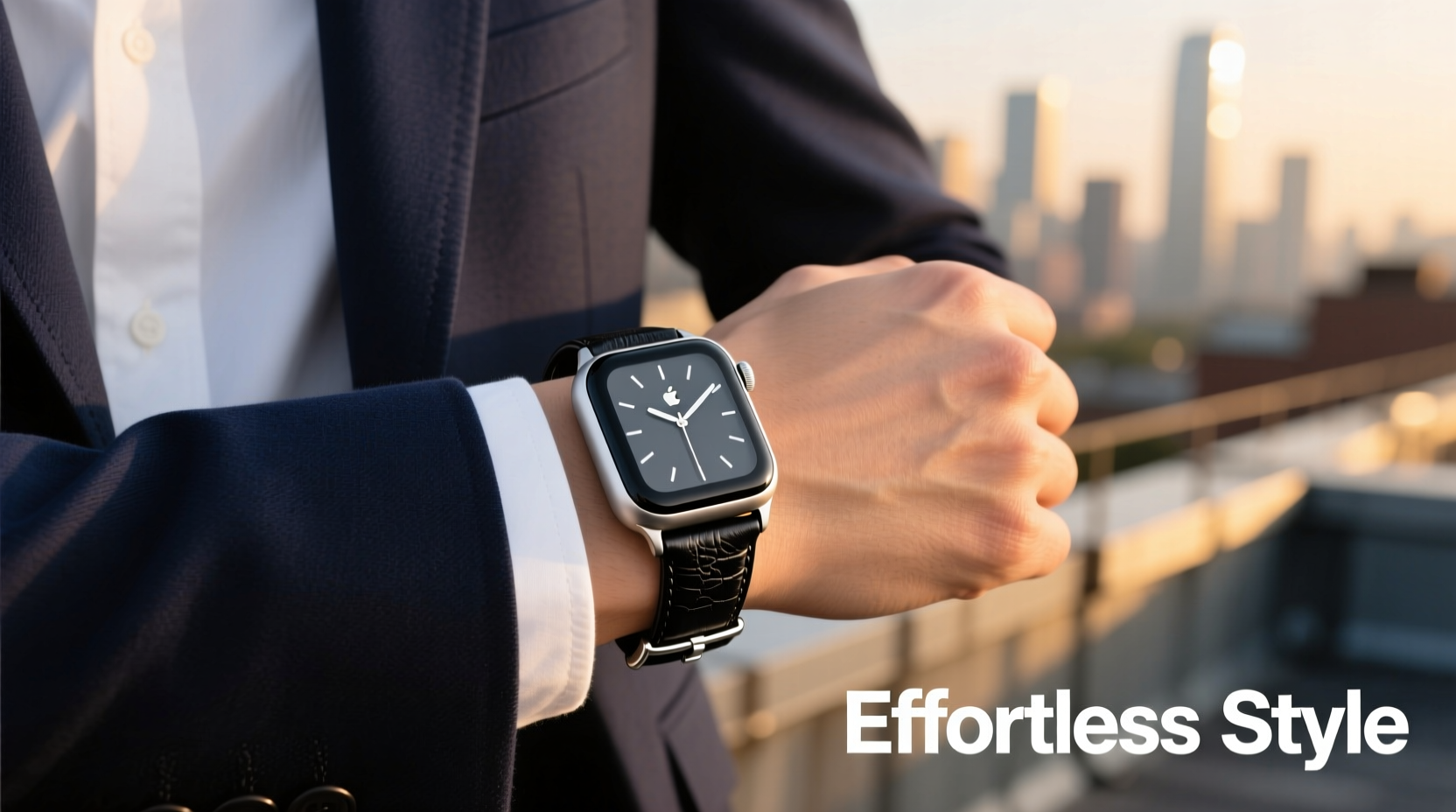
Your daily activities dictate your wardrobe, and your wristwear should follow suit. A mismatched band can unintentionally send the wrong message—like wearing a neon Sport Loop to a black-tie dinner. Instead, align your band with the tone of the event.
- Casual settings: Opt for Sport Bands or nylon loops in bright colors or patterns. These are breathable, comfortable, and reflect a relaxed vibe.
- Work or professional environments: Stick to classic materials like stainless steel, Milanese loops, or dark leather bands. Neutrals such as black, navy, or brown convey polish.
- Evening or formal events: Consider a single-pass leather band in deep tones or a minimalist metal link. Avoid rubber or brightly colored bands unless the event is intentionally playful.
Match Materials and Textures for Visual Harmony
Color is important, but texture plays an equally critical role in coordination. Pairing a shiny metal band with a rugged flannel shirt may feel jarring, while a woven nylon band with a silk blazer might seem underdressed.
Think about how the material of your band interacts with your clothing fabric:
| Clothing Fabric | Recommended Band Type | Why It Works |
|---|---|---|
| Cotton (e.g., t-shirts, button-downs) | Sport Band, Nike Sport Loop | Matches casual, breathable nature of cotton |
| Wool or Tweed | Leather, Hermès, Woven Nylon | Rich textures complement each other |
| Silk or Satin | Milanese Loop, Stainless Steel Link | Reflective surfaces echo the sheen of fine fabrics |
| Denim or Canvas | Nylon Sport Loop, Classic Buckle | Durable, earthy textures align naturally |
“Accessories aren’t just accents—they’re punctuation marks in your personal style story. The right band ties the sentence together.” — Lena Park, Fashion Stylist & Tech Lifestyle Consultant
Use Color Theory to Your Advantage
Color coordination isn’t about matching perfectly—it’s about creating balance. You don’t need to wear red clothes to justify a red band. Subtle echoes work better than literal matches.
Here’s how to apply basic color theory:
- Analogous colors: Choose a band that’s adjacent to your outfit’s dominant hue (e.g., orange band with a yellow sweater). This creates a smooth, harmonious look.
- Complementary contrast: Pair opposites on the color wheel (e.g., blue outfit with an orange band) for bold, intentional style.
- Neutral grounding: When wearing bold clothing, use a black, gray, or beige band to anchor the look without competing.
- Accent echoing: Match your band to a smaller detail in your outfit—a pocket square, shoe laces, or even your socks—for a clever, cohesive touch.
Mini Case Study: Olivia’s Workweek Style Upgrade
Olivia, a marketing manager in Chicago, used the same white Sport Band year-round. While practical, it clashed with her tailored wool coats in winter and looked too casual with her silk blouses in spring.
She decided to experiment. On Mondays, she wore a navy blazer and cream blouse—she switched to a dark brown Modern Buckle band. The leather echoed her loafers and belt, instantly elevating her presence in meetings.
By Friday, she embraced a more creative look: a patterned midi dress and denim jacket. She paired it with a coral Nike Sport Loop, picking up a subtle hue from the floral print. Colleagues noticed the change, complimenting her “put-together yet approachable” style.
Within two weeks, Olivia had developed a simple system: three bands, rotated based on the week’s schedule. Her Apple Watch became part of her identity—not just a device.
Step-by-Step Guide to Building a Versatile Band Collection
You don’t need ten bands to be stylish. Start smart with a curated selection. Follow this timeline to build a functional, fashionable lineup over time.
- Week 1: Assess your wardrobe. Identify your most worn colors and fabrics. Note recurring combinations (e.g., gray suits, white tees, denim).
- Week 2: Purchase a neutral everyday band. Choose a black or gray Sport Band or a stainless steel link. This will serve as your default option.
- Month 1: Add a professional upgrade. Invest in a leather or Milanese loop in a tone that matches your shoes or belt.
- Month 2: Introduce a pop of personality. Select a colorful or textured band (e.g., woven, recycled fabric) for weekends or creative days.
- Month 3: Seasonal swap. Rotate bands with the seasons—lighter colors in summer (ivory, sky blue), deeper tones in fall (burgundy, forest green).
Common Mistakes to Avoid
Even small missteps can undermine an otherwise polished appearance. Steer clear of these common errors:
- Over-matching: Don’t try to match your band exactly to your shirt. It can look forced. Aim for tonal harmony instead.
- Ignoring case finish: A gold case with a neon green band may clash. Ensure the metal tone (silver, gold, space black) complements both the band and your other jewelry.
- Forgetting maintenance: A dirty or frayed band ruins the effect. Clean silicone weekly and condition leather monthly.
- One-size-fits-all thinking: Just because a band works for the gym doesn’t mean it belongs at dinner. Context matters.
FAQ
Can I wear a Sport Band with a suit?
Generally, no—unless it’s a very casual suit or creative industry setting. A Sport Band breaks the formality. Opt for leather, metal, or woven options instead.
How do I store multiple bands neatly?
Use a dedicated watch roll or a small tray with labeled sections. Keep them away from direct sunlight and moisture to prevent fading or warping.
Are third-party bands worth it?
Many are. Brands like Nomad, Satechi, and Carved offer premium materials and unique designs. Just ensure compatibility with your Apple Watch model and case size.
Final Checklist: Outfit-Band Coordination Quick Reference
- Does the band’s color complement or thoughtfully contrast my outfit?
- Does the material match the formality level of the occasion?
- Is the case finish (silver, gold, etc.) consistent with my other accessories?
- Is the band clean and in good condition?
- Am I echoing at least one element from my outfit (color, texture, tone)?
Conclusion: Make Your Apple Watch a True Style Ally
Your Apple Watch is more than a fitness tracker or notification hub—it’s a visible extension of your personal style. With minimal effort, you can transform it from an overlooked gadget into a deliberate fashion accent. By selecting bands that align with your outfit’s tone, texture, and color story, you project confidence and attention to detail.
Start small. Replace one band. Try one new combination. Notice how it changes the way you feel when you look down at your wrist. Over time, this habit becomes second nature. And when someone compliments your look, they might not even realize it was the perfect band that tied it all together.




 浙公网安备
33010002000092号
浙公网安备
33010002000092号 浙B2-20120091-4
Comments
No comments yet. Why don't you start the discussion?