
Pet grooming tools have evolved from simple metal implements to sleek, ergonomic designs with colorful handles and premium finishes. Walk into any pet supply store or browse online, and you’ll see combs that look more like luxury accessories than practical tools. But behind the polished exteriors and bold claims, one question remains: Does a stylish pet comb actually perform better than a basic, no-frills model? Or is the extra cost just for show?
The answer isn’t always straightforward. While aesthetics can enhance user experience, true effectiveness in a pet comb comes down to material quality, tooth spacing, durability, and how well it suits your pet’s coat type. This article explores the balance between style and function, helping pet owners make informed choices without falling for marketing hype.
The Allure of Stylish Pet Combs
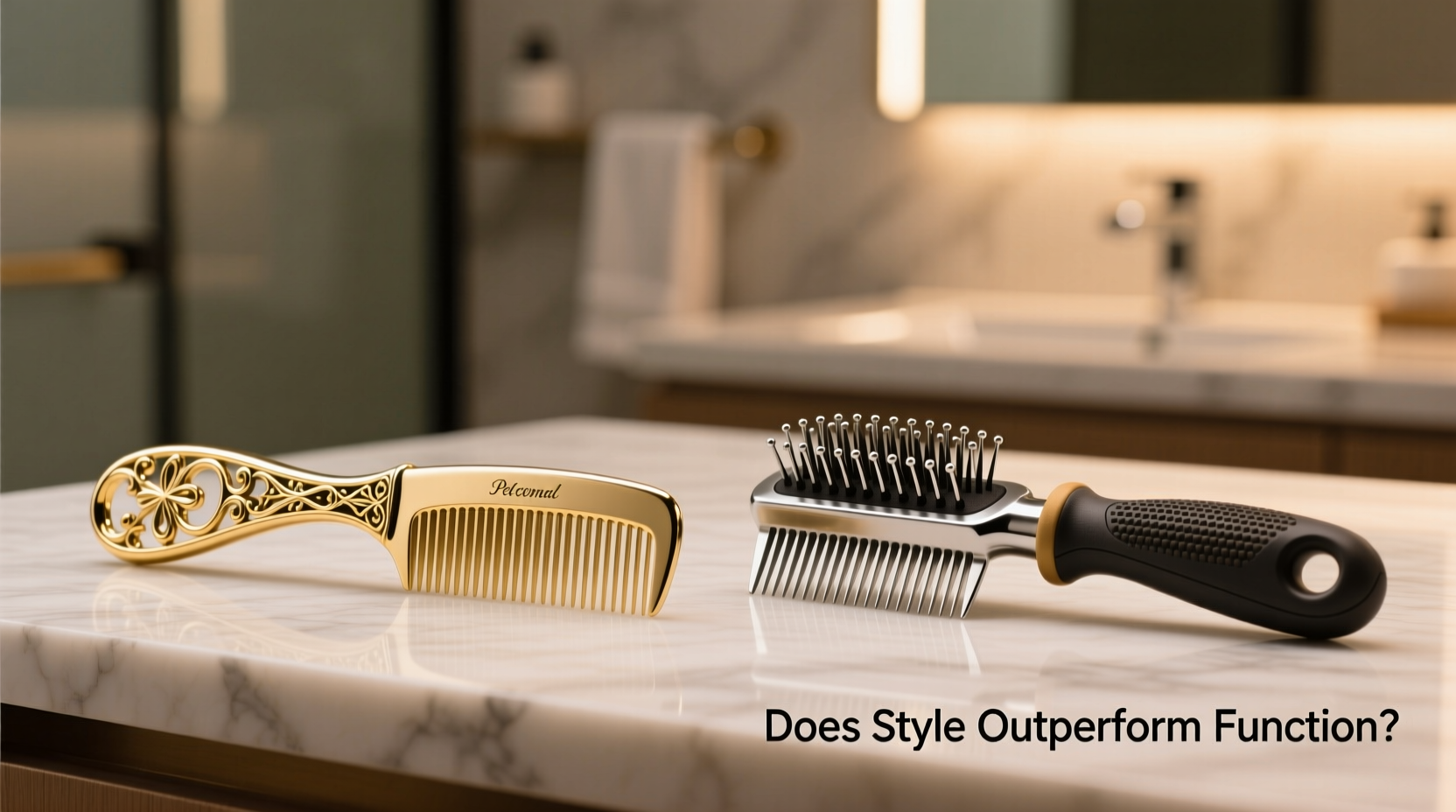
Fancy pet combs often feature designer handles made from bamboo, recycled plastics, or even hand-carved wood. Some boast non-slip grips, built-in fur collectors, or dual-sided heads for versatility. These enhancements aren’t purely cosmetic—they can improve comfort during long grooming sessions and reduce hand fatigue, especially for owners of large or heavily coated breeds.
Brands market these combs as “premium grooming experiences,” appealing to pet parents who view grooming as both care and bonding. A visually appealing tool might also encourage regular use—after all, people are more likely to pick up something they find pleasant to hold and look at.
However, style alone doesn’t guarantee performance. A beautifully designed comb with poorly spaced teeth or weak construction may snag fur, bend under pressure, or fail to remove undercoat effectively. In some cases, decorative elements like beads or glued-on parts can loosen over time, posing a choking hazard if ingested by curious pets.
What Makes a Comb Functionally Effective?
Functionality in a pet comb hinges on several technical factors:
- Tooth spacing: Wide teeth for detangling; fine teeth for removing fleas or smoothing short coats.
- Material strength: Stainless steel resists rust and maintains sharpness; plastic teeth may warp or break.
- Ergonomic design: Not just about looks—curved handles should align with natural wrist motion.
- Dual functionality: Some combs combine wide and fine teeth on opposite ends for multi-purpose use.
- Edge finish: Smooth, rounded tips prevent skin irritation during deep brushing.
A truly functional comb removes loose hair efficiently, reaches the undercoat without scratching the skin, and withstands repeated use without degrading. For double-coated breeds like Golden Retrievers or Maine Coons, a high-quality undercoat rake is far more effective than even the most elegant single-sided comb.
“Grooming tools should serve the animal first. If a comb causes discomfort or misses tangles, its appearance is irrelevant.” — Dr. Lena Patel, Veterinary Dermatologist
Comparing Style and Substance: Real-World Performance
To evaluate whether stylish combs deliver on their promises, consider a comparison of three popular types:
| Comb Type | Style Features | Functional Pros | Functional Cons |
|---|---|---|---|
| Luxury Wooden Handle Comb | Eco-friendly wood, smooth finish, aesthetic appeal | Comfortable grip, durable if well-made | Wood can absorb moisture; not ideal for wet grooming |
| Colorful Ergonomic Plastic Comb | Bright colors, soft-touch grip, dual-sided teeth | Lightweight, affordable, good for beginners | Plastic teeth may snap; prone to static buildup |
| Professional Stainless Steel Comb | Minimalist design, utilitarian look | Rust-resistant, precise tooth alignment, long-lasting | Can feel cold or slippery; less visually appealing |
The data shows a clear trade-off: aesthetic upgrades often come with compromises in durability or suitability for intensive use. Meanwhile, professional-grade tools prioritize precision and resilience—even if they lack Instagram-worthy packaging.
Mini Case Study: Grooming a Long-Haired Cat
Sophia adopted a semi-longhaired rescue cat named Miso, whose coat quickly developed mats behind the ears and under the legs. She initially bought a rose-gold handled comb with intricate engraving because it matched her bathroom decor. Despite its beauty, the fine teeth couldn’t penetrate the undercoat, and the handle slipped when her hands got warm.
After consulting a groomer, she switched to a stainless steel greyhound comb with wider spacing and a rubberized grip. Though less glamorous, it removed tangles in half the time and didn’t irritate Miso’s skin. Within weeks, grooming became less stressful for both of them.
Sophia’s experience reflects a broader trend: emotional appeal gets the purchase, but functionality sustains the habit.
How to Choose the Right Comb for Your Pet
Selecting the best comb means matching tool design to your pet’s specific needs—not yours. Follow this step-by-step guide to make an informed decision:
- Assess your pet’s coat type: Short, smooth coats need fine-tooth combs; long, dense fur requires wide-tooth or undercoat rakes.
- Check for skin sensitivity: Pets with allergies or thin skin benefit from combs with rounded tips and flexible teeth.
- Test the grip: Hold the comb as you would while grooming. It should feel secure, even with damp hands.
- Inspect tooth alignment: Teeth should be evenly spaced and firmly anchored—no wobbling.
- Read reviews from experienced users: Look for feedback from breeders, groomers, or long-term owners.
- Balance budget and longevity: A $35 comb isn’t worth it if it fails in three months. Aim for value, not status.
Checklist: Before You Buy a Pet Comb
- ✅ Matches my pet’s coat length and texture
- ✅ Made from rust-resistant, non-toxic materials
- ✅ Has a secure, comfortable grip
- ✅ Teeth are smooth and properly spaced
- ✅ Easy to clean and store
- ✅ Backed by reputable brand or positive user reviews
Frequently Asked Questions
Do expensive combs last longer than cheap ones?
Not always. Price often reflects branding, design, or materials used in the handle rather than the comb’s working part. A $10 stainless steel comb from a veterinary line may outperform a $30 designer version with flimsy teeth. Focus on build quality, not price tag.
Can a stylish comb harm my pet?
Yes—if form overrides function. Combs with jagged edges, loose parts, or overly tight tooth spacing can pull fur, scratch skin, or cause discomfort. Always inspect the comb closely before use, regardless of how attractive it appears.
Are there eco-friendly combs that are also functional?
Yes. Some brands now offer biodegradable bamboo handles paired with high-grade stainless steel teeth, combining sustainability with performance. Look for certifications like FSC (Forest Stewardship Council) for wood components and BPA-free labels for plastics.
Conclusion: Prioritize Performance, Then Consider Design
A stylish pet comb can bring joy to your grooming routine—but only if it works well. The most beautiful tool is useless if it fails to detangle, causes discomfort, or breaks after a few uses. True value lies in reliability, safety, and suitability for your pet’s unique coat and temperament.
When shopping, start with function: choose the right tooth configuration, material, and build quality. Once you’ve narrowed it down to effective options, then consider ergonomics and aesthetics as secondary benefits. A comb that feels good in your hand and works efficiently will ultimately support healthier skin and coat—and a happier pet.




 浙公网安备
33010002000092号
浙公网安备
33010002000092号 浙B2-20120091-4
Comments
No comments yet. Why don't you start the discussion?