
In recent years, subscription boxes have exploded in popularity. From curated snacks and beauty products to niche hobbies like succulents, knitting, or gourmet coffee, there’s a box for nearly every interest. Marketed as personalized, convenient, and exciting, these monthly deliveries promise discovery and delight. But behind the glossy packaging and influencer endorsements lies a growing question: Are subscription boxes truly worth the hype, or are they just another form of consumer clutter disguised as self-care?
The answer isn’t straightforward. For some, subscription services offer genuine value, convenience, and joy. For others, they become forgotten expenses that contribute to drawer overflow and buyer’s remorse. The truth lies in how we approach them—not as passive purchases, but as intentional lifestyle choices.
The Allure of Subscription Boxes
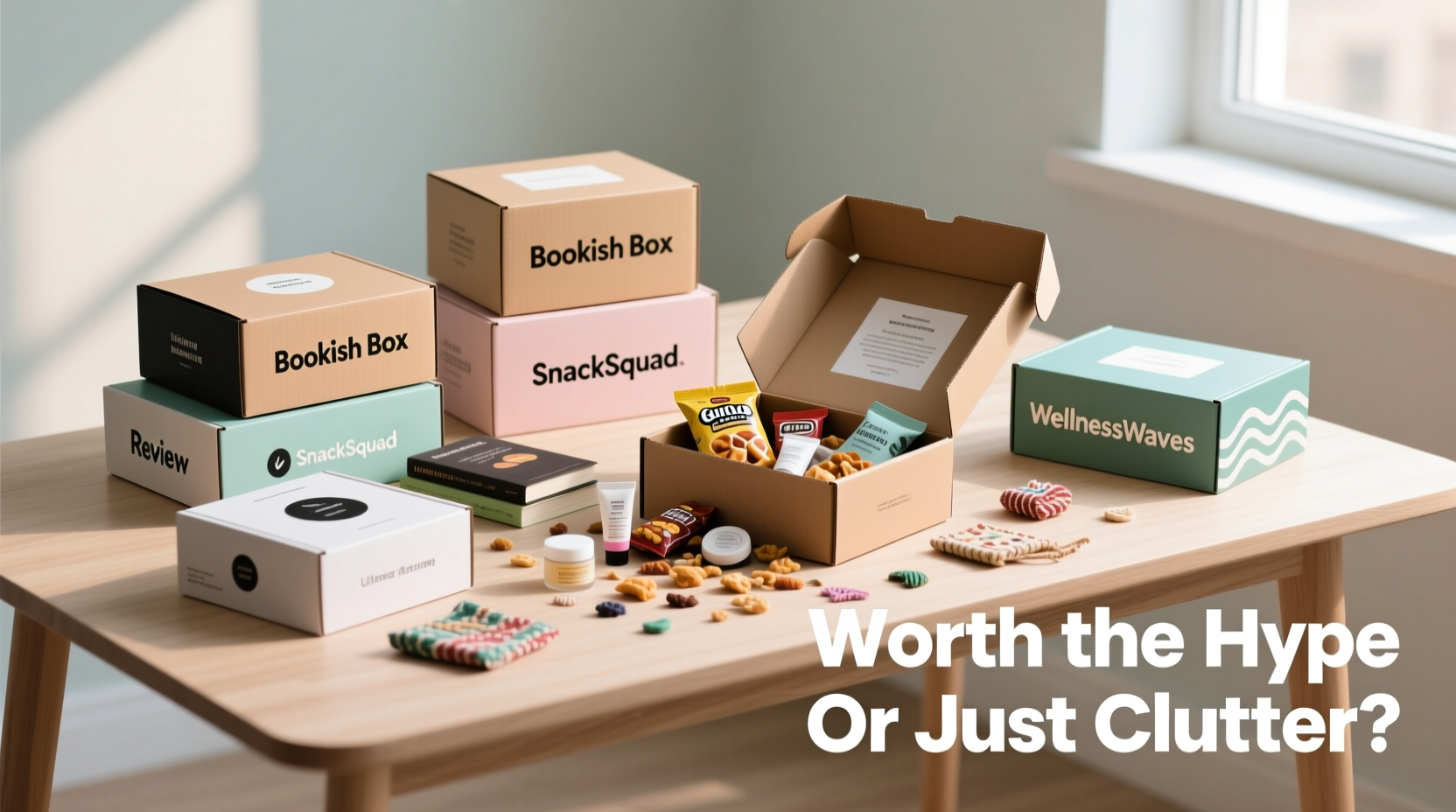
Subscription boxes tap into several psychological and practical appeals that explain their rapid rise:
- Convenience: In a fast-paced world, having products handpicked and delivered is a time-saver.
- Discovery: Many people enjoy trying new brands or products they wouldn’t encounter otherwise.
- Personalization: Services that tailor selections based on preferences create a sense of being seen and understood.
- Surprise and Delight: The “unboxing” experience triggers dopamine hits similar to gift-giving.
- Sense of Community: Some boxes come with access to exclusive groups, challenges, or content.
These benefits are real. A well-curated box can introduce you to a life-changing skincare product, a favorite tea blend, or even a new hobby. But the emotional appeal often overshadows cost-benefit analysis—especially when subscriptions renew automatically.
When Subscription Boxes Add Real Value
Not all subscription boxes are equal. The most valuable ones share common traits:
- High perceived utility: Contents are items you already use or want to try, such as organic snacks, sustainable toiletries, or craft supplies.
- Cost savings: The retail value of included products exceeds the subscription price.
- Rarity or exclusivity: Access to limited-edition items, early product releases, or small-batch goods not available in stores.
- Educational component: Boxes that teach skills (e.g., language learning, cooking, mixology) offer long-term value beyond physical items.
- Customization: Services allowing size, preference, or frequency adjustments reduce waste and increase satisfaction.
Take, for example, a parent struggling to find healthy, non-GMO snacks their kids will actually eat. A curated snack box tailored to dietary needs saves research time, reduces grocery store stress, and introduces safe new options. In this case, the subscription isn't clutter—it's a solution.
“Subscription models work best when they solve a recurring problem, not when they create one.” — Dr. Lena Torres, Behavioral Economist at Stanford
The Hidden Costs: Why Many Boxes Become Clutter
The same features that make subscription boxes appealing can also lead to waste. Consider the following realities:
- Unused Products: 38% of consumers admit to discarding at least one item per box, according to a 2023 Consumer Trends Report.
- Auto-Renewal Traps: Forgotten subscriptions quietly charge month after month, sometimes for over a year.
- Duplication: Receiving multiple lip balms, candles, or protein bars when you already have a surplus.
- Limited Flexibility: Inability to skip months, pause, or customize leads to unwanted deliveries.
- Environmental Impact: Excessive packaging and shipping emissions raise sustainability concerns.
A 2022 study by the Sustainable Packaging Institute found that the average subscription box generates 2.3 times more packaging waste than traditional retail purchases. While companies tout recyclable materials, many components—like mixed-material pouches or foam inserts—are not widely accepted in recycling programs.
Worse, the excitement fades. What felt novel in Month 1 becomes routine by Month 4. Without ongoing relevance, the box shifts from “treat” to “obligation,” and its contents from “treasure” to “trinkets.”
How to Evaluate Whether a Box Is Worth It
Before committing, apply a structured evaluation. Use the following checklist to determine if a subscription aligns with your values and lifestyle.
✅ Subscription Box Evaluation Checklist
- Have I researched the brand and read unbiased reviews?
- Does the box include items I genuinely need or want to try?
- Is the total retail value of contents greater than the subscription cost?
- Can I easily skip, pause, or cancel without penalties?
- Am I drawn to the idea because of FOMO or actual need?
- Do I already own similar products that I haven’t finished?
- Is the packaging minimal and eco-friendly?
- Does the service allow customization based on my preferences?
This checklist forces intentionality. It separates impulse-driven subscriptions from those that serve a purpose.
Real Example: Sarah’s Beauty Box Journey
Sarah, a 34-year-old graphic designer, signed up for a popular $35/month beauty box after seeing glowing Instagram reviews. The first delivery thrilled her—three full-size serums, a jade roller, and a luxury makeup sponge. She posted an unboxing video and felt like part of an exclusive club.
By Month 3, the excitement waned. She received two more sponges (she only uses one), a perfume she disliked, and samples of products she couldn’t use due to sensitive skin. She stopped opening the box immediately and eventually forgot about it—until her husband noticed the $35 charge on their credit card statement.
After calculating, Sarah realized she’d spent $147 over five months on products she either didn’t use or already owned. She canceled the subscription and donated the unused items. “I thought I was treating myself,” she said. “But I was just funding someone else’s marketing budget.”
Her turnaround came when she switched to a dermatologist-recommended skincare sample program that aligned with her skin type and allowed her to test before buying full sizes. This version had no auto-renewal and focused on efficacy, not aesthetics. The difference? Value over vanity.
Smart Strategies to Avoid Clutter and Maximize Value
If you’re considering a subscription—or already have one—follow this step-by-step guide to ensure it remains useful, not wasteful.
Step-by-Step Guide: Making Subscriptions Work for You
- Start with a trial: Opt for a one-time purchase instead of an automatic renewal. Evaluate before committing.
- Audit existing inventory: Check what you already have at home. Don’t subscribe for socks if you have 15 pairs unworn.
- Set a usage rule: Commit to using each item before the next box arrives. If you can’t, reconsider the subscription.
- Schedule quarterly reviews: Every three months, assess whether the box still meets your needs.
- Track spending: Add subscription costs to your monthly budget tracker. Visibility prevents oversight.
- Donate or swap unused items: Join local “subscription swaps” or give extras to friends, shelters, or resale shops.
- Choose green options: Support companies using compostable mailers, recycled cardboard, and minimal plastic.
Additionally, consider gifting subscriptions instead of keeping them for yourself. A book box for a voracious reader, a wine club for a connoisseur friend—this redirects consumption toward meaningful experiences for others.
Comparing Popular Subscription Types: Value vs. Risk of Clutter
| Box Type | Average Cost/Month | Potential Value | Clutter Risk | Best For |
|---|---|---|---|---|
| Beauty & Skincare | $25–$40 | Moderate to High (if samples lead to full-size buys) | High (duplicates, expired products) | Product testers, beauty enthusiasts |
| Snacks & Food | $15–$30 | High (if dietary needs met) | Low to Moderate (perishable = must-use) | Busy families, health-focused eaters |
| Hobby/Craft Kits | $20–$50 | High (if you finish projects) | High (unfinished crafts pile up) | Creative learners, DIYers |
| Books | $15–$25 | High (if you read consistently) | Moderate (bookshelf overflow) | Readers, collectors |
| Fashion/Accessories | $30–$60 | Low to Moderate (style mismatches common) | Very High (unused clothes accumulate) | Style explorers, renters |
| Educational (e.g., STEM, language) | $20–$35 | Very High (skill-building) | Low (interactive use) | Kids, lifelong learners |
The data shows that experiential or consumable boxes—like food, books, or educational kits—tend to deliver higher net value with lower clutter risk. Tangible goods, especially clothing or decor, carry a much higher chance of becoming unused inventory.
Frequently Asked Questions
Are subscription boxes a waste of money?
Not inherently. They become wasteful when used impulsively, without tracking usage, or when contents go unused. If a box solves a real need—like introducing safe snacks for allergies or teaching coding to kids—it can be a smart investment. The key is alignment with your lifestyle and honest assessment of utilization.
How do I stop subscription boxes from becoming clutter?
Set clear rules: use each item, limit to one active subscription at a time, and schedule quarterly reviews. Treat the box like a challenge: can you integrate everything meaningfully? If not, it’s time to cancel. Also, choose services with flexible pauses and easy cancellation.
What’s the most valuable type of subscription box?
Educational and consumable boxes tend to offer the highest value-to-clutter ratio. For example, a monthly language-learning kit for kids provides hours of engagement and skill development. A gourmet coffee box supports a daily habit with minimal waste. These align with ongoing behaviors rather than creating new storage problems.
Conclusion: Mindful Consumption Over Mindless Unboxing
Subscription boxes aren’t inherently good or bad—they reflect how we engage with consumption. When chosen with purpose, they can enrich lives, save time, and spark joy. But when adopted on autopilot, they fuel clutter, financial leakage, and environmental strain.
The real measure of worth isn’t the number of likes on an unboxing video. It’s whether the contents improve your daily routine, expand your skills, or bring lasting satisfaction. Ask yourself: Does this box serve me, or am I serving it?
Instead of chasing the next trendy delivery, shift focus to intentionality. Try a one-time box. Test it. Reflect. Keep only what adds value. Cancel the rest without guilt. In a world of excess, the most powerful act of consumerism is saying no.




 浙公网安备
33010002000092号
浙公网安备
33010002000092号 浙B2-20120091-4
Comments
No comments yet. Why don't you start the discussion?