
Waking up with or suddenly experiencing itchy eyes can be more than just a minor annoyance—it can interfere with daily activities, disrupt sleep, and signal underlying health issues. While itching is a natural response to irritation, sudden onset often points to specific triggers ranging from allergens to dryness or infection. Understanding the root cause is key to finding fast and lasting relief. This guide breaks down the most frequent reasons behind sudden eye itchiness and provides practical, science-backed solutions you can use immediately.
Common Causes of Sudden Itchy Eyes
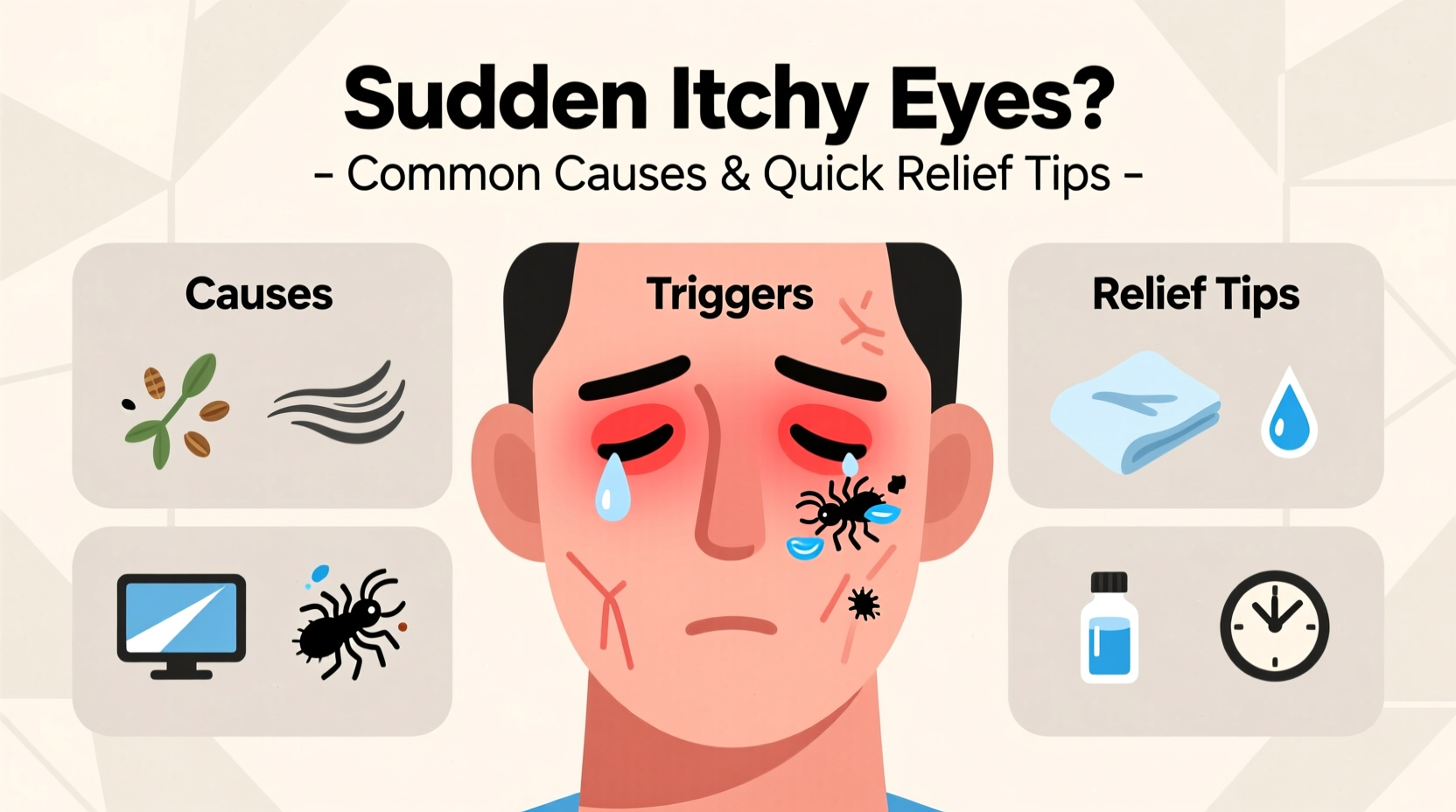
Itchy eyes occur when the conjunctiva—the thin membrane covering the white part of the eye—becomes irritated. The sensation is usually due to inflammation triggered by allergens, environmental factors, or physical irritants. Here are the leading causes:
- Allergic conjunctivitis: The most common cause, especially during pollen season. Exposure to dust mites, pet dander, mold, or certain cosmetics prompts an immune response that releases histamine, leading to itching, redness, and watery eyes.
- Dry eye syndrome: Insufficient tear production or poor tear quality can cause friction on the eye surface, resulting in persistent itching, burning, and grittiness. Prolonged screen use, air conditioning, and aging increase risk.
- Eye strain: Extended focus on digital screens reduces blink rate, drying out the eyes and triggering itchiness. This is often accompanied by fatigue and blurred vision.
- Contact lens irritation: Wearing lenses too long, improper cleaning, or sensitivity to solutions can lead to mechanical or chemical irritation.
- Blepharitis: A condition involving inflamed eyelids, often caused by bacterial overgrowth or skin conditions like rosacea. It leads to crusty lids, burning, and intense itching at the base of the lashes.
- Chemical exposure: Smoke, chlorine in pools, perfumes, or cleaning products can directly irritate the eyes, causing sudden stinging and itching.
- Infections: Viral or bacterial conjunctivitis (pink eye) may begin with itching before progressing to redness, discharge, and swelling. These are contagious and require medical attention.
Quick Relief Tips for Immediate Comfort
While identifying the cause is essential, immediate relief matters when discomfort strikes. Try these safe, effective strategies to calm itchy eyes fast:
- Apply a cold compress: Soak a clean cloth in cold water, wring it out, and place it over closed eyes for 5–10 minutes. Cold constricts blood vessels and numbs nerve endings, reducing both itch and swelling.
- Use artificial tears: Lubricating eye drops help flush out allergens and soothe dryness. Opt for preservative-free versions if using multiple times a day.
- Avoid rubbing: Rubbing worsens inflammation and risks corneal scratches or introducing bacteria. Instead, gently press the area around the eye.
- Rinse with saline: Flush the eyes with sterile saline solution to remove irritants like dust, smoke, or chlorine.
- Take an oral antihistamine: Over-the-counter medications like loratadine or cetirizine reduce systemic allergic responses, including eye itching.
- Switch to glasses: If you wear contacts, remove them immediately. Lenses can trap allergens and exacerbate irritation.
Do’s and Don’ts: Managing Itchy Eyes
| Do’s | Don’ts |
|---|---|
| Wash hands frequently to avoid transferring allergens | Rub your eyes, even if they itch intensely |
| Use hypoallergenic makeup and skincare products | Share towels, pillows, or eye drops with others (especially if infected) |
| Keep windows closed during high pollen counts | Use expired or contaminated eye drops |
| Run an air purifier with a HEPA filter at home | Wear contact lenses until symptoms resolve |
| Shower before bed to rinse off pollen from hair and skin | Apply steroid creams near the eyes without medical advice |
Real-Life Scenario: Seasonal Allergy Flare-Up
Sarah, a 34-year-old teacher, began waking up with intensely itchy, watery eyes every spring. At first, she assumed it was fatigue from grading papers. But when her symptoms worsened outdoors and coincided with blooming trees, she suspected allergies. After tracking her exposure and using a pollen calendar app, she noticed her worst days followed windy mornings with high tree pollen counts. She started taking a daily non-drowsy antihistamine in early March, switched to preservative-free artificial tears, and installed a HEPA filter in her bedroom. Within two weeks, her morning itching decreased significantly. Her case highlights how pattern recognition and proactive measures can transform chronic discomfort into manageable episodes.
Expert Insight on Eye Health
“Patients often underestimate how much environment and habits affect eye comfort. Simple changes—like changing pillowcases weekly or avoiding scented laundry detergents—can dramatically reduce allergic eye symptoms.” — Dr. Lena Torres, Board-Certified Ophthalmologist
Step-by-Step Guide: Responding to Sudden Itchy Eyes
If you experience a sudden onset of itchy eyes, follow this sequence to address the issue methodically:
- Stop what you’re doing and move away from potential irritants (e.g., leave a smoky room, step away from a computer screen).
- Wash your hands thoroughly to prevent spreading allergens or bacteria.
- Remove contact lenses if worn, and store them properly.
- Rinse eyes with sterile saline or use preservative-free artificial tears.
- Apply a cold compress for 5–10 minutes to reduce itching and swelling.
- Evaluate possible triggers: Did you try a new shampoo? Were you gardening? Is there pet dander nearby?
- Take an oral antihistamine if allergies are suspected and no contraindications exist.
- Monitor for additional symptoms such as thick discharge, light sensitivity, or vision changes—these may indicate infection.
- Seek medical advice if symptoms persist beyond 48 hours, worsen, or affect only one eye.
FAQ: Common Questions About Itchy Eyes
Can dehydration cause itchy eyes?
Yes. Dehydration reduces overall fluid levels, including tear production. This contributes to dry eye syndrome, which often presents with itching, especially after prolonged screen use or in dry environments.
Are itchy eyes contagious?
Not if caused by allergies or dryness. However, if the cause is viral or bacterial conjunctivitis, it is highly contagious. Avoid close contact, wash hands frequently, and don’t share personal items until cleared by a healthcare provider.
When should I see a doctor for itchy eyes?
Consult an eye care professional if you experience severe pain, vision changes, persistent redness, or yellow/green discharge. Also seek help if symptoms last more than a few days despite home treatment.
Prevention Checklist for Long-Term Comfort
To minimize future flare-ups, incorporate these habits into your routine:
- ✅ Wash bedding weekly in hot water to kill dust mites
- ✅ Use fragrance-free laundry detergent and skincare products
- ✅ Keep windows closed during peak pollen seasons
- ✅ Blink consciously when using digital devices
- ✅ Replace contact lens cases monthly
- ✅ Stay hydrated throughout the day
- ✅ Use a humidifier in dry indoor environments
- ✅ Schedule annual eye exams, especially if you wear contacts
Conclusion: Take Control of Your Eye Comfort
Sudden itchy eyes are a common but manageable condition. By understanding the triggers—from allergens and dryness to infections—you gain the power to respond effectively. Immediate relief is often within reach through simple steps like cold compresses, lubricating drops, and avoiding irritants. Long-term prevention relies on consistent habits and awareness of your environment. Don’t dismiss recurring symptoms as normal; your eyes deserve care and comfort. Start applying these tips today, and protect your vision and quality of life.




 浙公网安备
33010002000092号
浙公网安备
33010002000092号 浙B2-20120091-4
Comments
No comments yet. Why don't you start the discussion?