
Sudden loud snoring can be alarming—not just for the person experiencing it, but also for their partner or family. Unlike occasional light snoring, a dramatic increase in volume or frequency often signals an underlying shift in health, lifestyle, or sleep structure. While snoring is common, its sudden onset should not be dismissed as mere habit. It may point to airway obstruction, weight changes, illness, or even the early stages of sleep apnea. Understanding the causes and knowing what steps to take can make the difference between a minor nuisance and a serious health concern.
What Causes Sudden Loud Snoring?
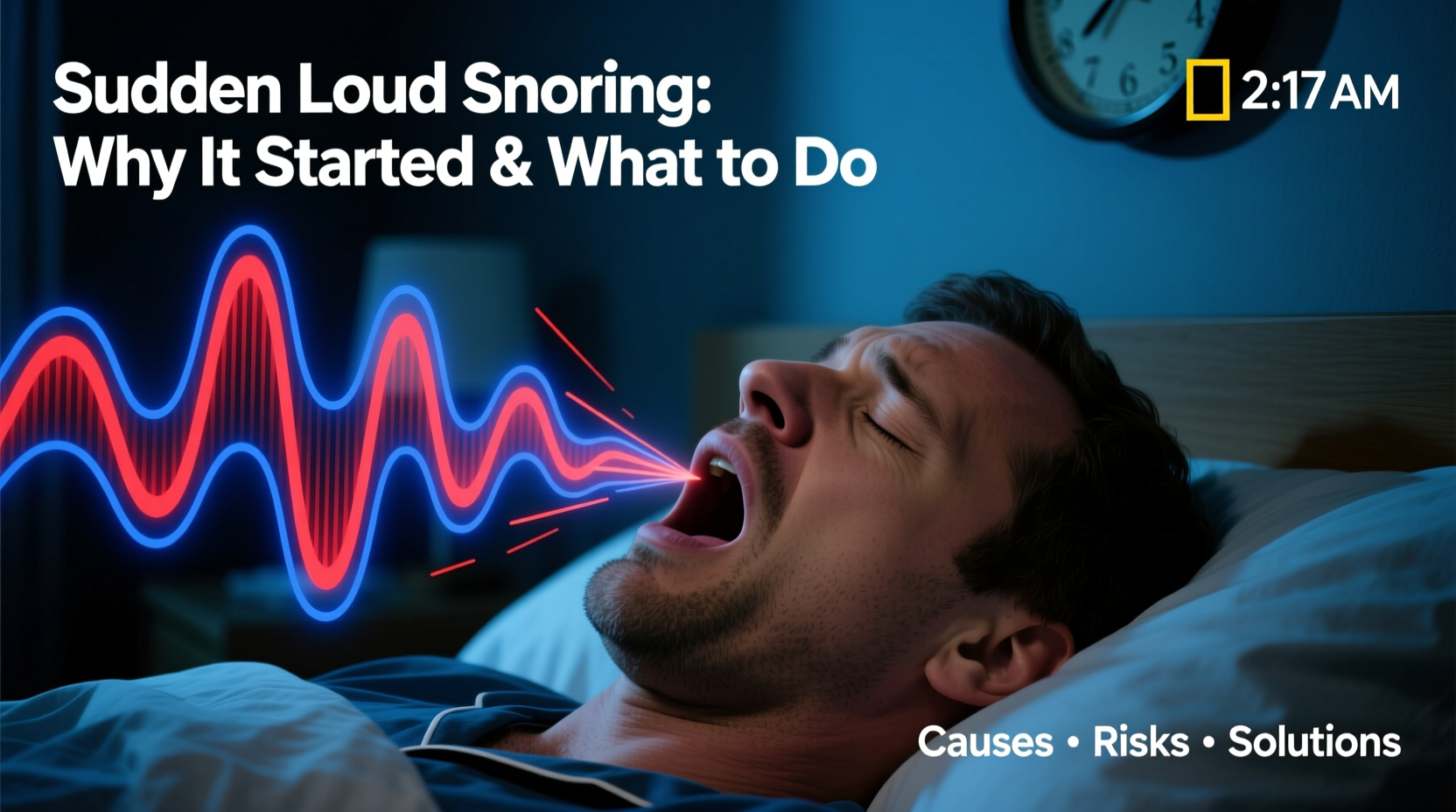
Snoring occurs when airflow through the mouth and nose is partially blocked during sleep, causing the surrounding tissues to vibrate. A sudden increase in snoring intensity or frequency suggests a recent change in one or more contributing factors. Common triggers include:
- Nasal congestion: Allergies, colds, or sinus infections can obstruct nasal passages, forcing breathing through the mouth and increasing tissue vibration.
- Weight gain: Excess fat around the neck narrows the airway, making it more prone to collapse during sleep.
- Alcohol consumption: Especially before bed, alcohol relaxes throat muscles beyond normal levels, leading to louder snoring.
- Medications: Sedatives, muscle relaxants, and some antihistamines can deepen muscle relaxation in the throat.
- Changes in sleep position: Sleeping on your back allows the tongue and soft palate to fall backward, obstructing airflow.
- Aging: Muscle tone naturally decreases with age, including in the upper airway.
- Anatomical shifts: Enlarged tonsils, deviated septum, or nasal polyps can develop or worsen over time.
When Sudden Snoring Signals Something Serious
Not all snoring is dangerous, but certain patterns demand medical attention. If loud snoring is accompanied by gasping, choking, or long pauses in breathing, it could indicate obstructive sleep apnea (OSA)—a condition where breathing repeatedly stops and starts during sleep. Untreated OSA increases the risk of high blood pressure, heart disease, stroke, and daytime fatigue.
“Loud, disruptive snoring that begins suddenly should never be ignored. It’s often the first symptom patients report before being diagnosed with sleep apnea.” — Dr. Lena Patel, Sleep Medicine Specialist
Warning signs that suggest a need for evaluation include:
- Witnessed breathing interruptions during sleep
- Excessive daytime sleepiness despite full nights of rest
- Morning headaches or dry mouth
- Difficulty concentrating or memory issues
- Irritability or mood changes
Step-by-Step Guide to Addressing Sudden Snoring
If you’ve recently developed loud snoring, follow this structured approach to determine the cause and find relief:
- Monitor symptoms for 7–10 days: Note the frequency, volume, and associated symptoms like gasping or fatigue.
- Review recent lifestyle changes: Consider new medications, weight gain, increased alcohol use, or respiratory illness.
- Adjust sleep habits: Avoid alcohol 3–4 hours before bed, stop smoking, and try sleeping on your side.
- Improve nasal airflow: Use saline sprays, nasal strips, or a humidifier if congestion is present.
- Schedule a doctor’s visit: If snoring persists beyond two weeks or includes warning signs, consult a primary care physician or sleep specialist.
- Consider a sleep study: A home or lab-based polysomnography can diagnose sleep apnea or other disorders.
Do’s and Don’ts: Managing Sudden Snoring
| Do | Don’t |
|---|---|
| Use a humidifier in dry environments | Consume alcohol or sedatives before bed |
| Sleep on your side using positional therapy aids | Ignore persistent snoring with breathing pauses |
| Treat allergies or chronic congestion promptly | Assume snoring is harmless without evaluation |
| Maintain a healthy weight with balanced diet and exercise | Overuse decongestants without medical advice |
Real-Life Example: Mark’s Sudden Snoring Turnaround
Mark, a 42-year-old software engineer, had never been a snorer. But after gaining 15 pounds over six months due to remote work and reduced activity, his wife began complaining about his “train-like” snoring. He also felt unusually tired during the day, even after eight hours of sleep. At first, he dismissed it, but after witnessing him gasp awake one night, his wife insisted he see a doctor.
Mark underwent a home sleep test and was diagnosed with mild obstructive sleep apnea. His treatment plan included weight loss, positional therapy, and a mandibular advancement device. Within three months, his snoring decreased significantly, his energy improved, and follow-up testing showed normalized breathing patterns.
His experience underscores how quickly snoring can emerge from lifestyle changes—and how effective early intervention can be.
Practical Tips to Reduce Snoring Tonight
- Try nasal dilator strips before bed—they can improve airflow in people with mild congestion.
- Replace old pillows that may harbor allergens contributing to nasal inflammation.
- Practice throat exercises (such as singing or specific tongue presses) shown in studies to strengthen airway muscles.
- Stay hydrated—dry throat tissues are more likely to vibrate loudly.
FAQ: Common Questions About Sudden Loud Snoring
Can sudden snoring be caused by a cold?
Yes. Temporary nasal congestion from a cold, flu, or allergies can block airflow and trigger snoring. Once the illness resolves, snoring often stops. However, if it continues after recovery, further investigation is needed.
Is it possible to start snoring after surgery?
Yes. Surgeries involving anesthesia—especially those requiring intubation—can cause temporary swelling in the throat or lead to muscle relaxation that promotes snoring. In most cases, this resolves within days or weeks.
Do women snore as much as men?
Men are more likely to snore due to differences in airway anatomy, but women’s risk increases after menopause due to hormonal changes. Weight gain and aging affect both genders.
Conclusion: Take Action Before It Escalates
Sudden loud snoring is more than a bedroom disturbance—it’s a potential red flag for your health. Whether it stems from a simple cold or something more serious like sleep apnea, the key is awareness and action. Small lifestyle adjustments can yield big improvements, but don’t hesitate to seek professional help when symptoms persist. Better sleep isn’t just about comfort; it’s about long-term well-being. Address snoring early, and you may prevent years of fatigue, strain, and health complications down the line.




 浙公网安备
33010002000092号
浙公网安备
33010002000092号 浙B2-20120091-4
Comments
No comments yet. Why don't you start the discussion?