
In the world of culinary folklore, few names carry the mystique and reverence of Super Onion Boy. A legend born from street food stalls, late-night fry-ups, and underground sandwich culture, the original Super Onion Boy became synonymous with caramelized depth, umami intensity, and the alchemy of transforming humble alliums into something transcendent. Now, with Super Onion Boy 2: The Sequel Adventure, we enter a new era—one defined not by mere repetition, but by evolution, refinement, and bold innovation in onion-based gastronomy.
This is not a reboot. It’s not a rehash. It’s a continuation of a culinary journey that began with slow-cooked onions and has now expanded into layered techniques, global influences, and scientific precision. Whether you're a home cook seeking deeper flavor or a professional chef pushing boundaries, understanding the principles behind Super Onion Boy 2 is essential for mastering modern savory applications where sweetness, complexity, and texture converge.
Definition & Overview
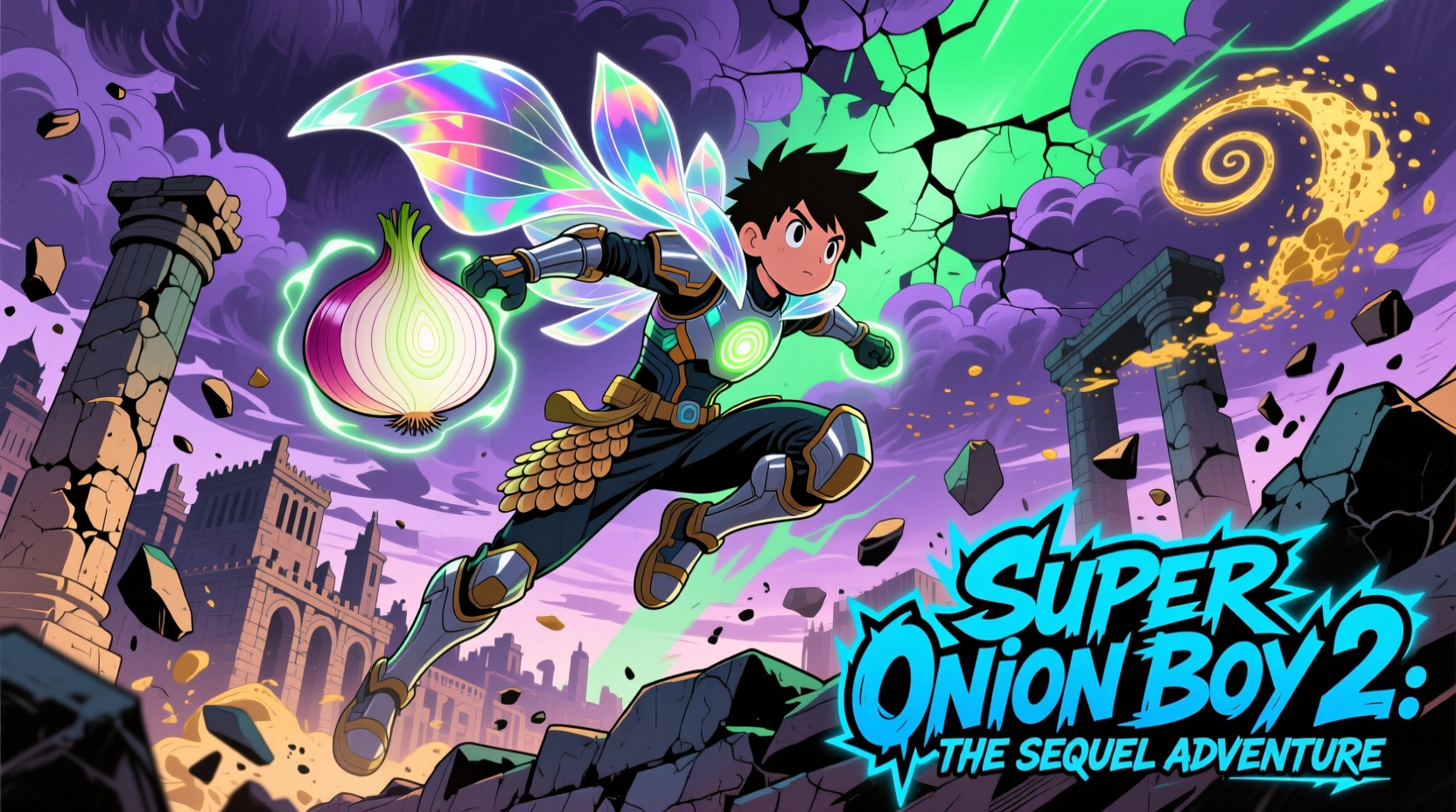
Super Onion Boy 2: The Sequel Adventure refers to the evolved methodology and philosophy of preparing caramelized onions beyond traditional means—incorporating advanced cooking techniques, hybrid flavor profiles, and intentional layering of textures and aromatics. While the original Super Onion Boy focused primarily on deeply browned, sweet-savory onions cooked slowly over low heat, the sequel introduces controlled Maillard reactions, enzymatic breakdown, acid modulation, and strategic ingredient pairing to elevate the final product.
At its core, Super Onion Boy 2 remains rooted in the transformation of raw onion through time, heat, and chemistry. However, it diverges by embracing precision tools (like sous-vide, pressure cooking, and pH control), integrating international spice traditions (such as Korean gochujang, Japanese dashi, or North African ras el hanout), and applying structural enhancements (like textural contrast via crisping elements or emulsification).
The term originated informally among experimental chefs and food scientists who sought to push the limits of what caramelized onions could achieve—not just as a side or garnish, but as a central component in sauces, spreads, fillings, and even desserts. Today, “Super Onion Boy 2” symbolizes both a technique and a mindset: one that honors tradition while demanding innovation.
Key Characteristics
The hallmark of Super Onion Boy 2 lies in its multi-dimensional profile. Unlike standard caramelized onions, which often plateau at sweet and soft, this version achieves balance across several sensory axes:
| Characteristic | Description |
|---|---|
| Flavor Profile | Complex umami base with balanced sweetness, subtle acidity, and background notes of nuttiness or smokiness depending on method. |
| Aroma | Deeply savory with toasted allium, faint molasses-like richness, and optional aromatic infusions (garlic, thyme, star anise). |
| Texture | Variable: can range from silky-smooth purée to tender strands with crispy bits (via dual-stage cooking). |
| Color | Ranges from golden amber to deep mahogany; never blackened or burnt when properly executed. |
| Culinary Function | Serves as flavor base, spread, sauce thickener, topping, or standalone element in composed dishes. |
| Shelf Life | Up to 2 weeks refrigerated; up to 6 months frozen if vacuum-sealed. Longer with added preservatives like vinegar or salt. |
| Heat Level | None inherently, but may incorporate mild chili elements in fusion variations. |
Practical Usage: How to Use Super Onion Boy 2 in Cooking
Implementing Super Onion Boy 2 techniques begins with intention. Are you building a foundation for a sauce? Creating a gourmet burger topping? Designing a plant-based pâté? Each goal demands a tailored approach.
Step-by-Step Guide: Crafting Authentic Super Onion Boy 2
- Select the Right Onions: Use yellow or Spanish onions for maximum sugar content and even browning. Avoid red onions unless aiming for color variation and slight tartness.
- Uniform Slicing: Cut onions to ⅛-inch thickness using a mandoline or sharp knife. Consistency ensures even cooking.
- Dual-Liquid Start: Begin with a combination of butter (for flavor) and neutral oil (to prevent burning). Ratio: 50/50.
- Low-and-Slow Foundation: Cook over medium-low heat for 20 minutes, stirring every 3–4 minutes to encourage even moisture release.
- Add Deglazing Agent: After initial softening, deglaze with dry white wine, sherry vinegar, or rice wine. This lifts fond and adds brightness. Allow full evaporation.
- Extended Caramelization (90+ Minutes): Reduce heat to low. Stir every 7–10 minutes. Scrape bottom frequently. Goal: deep golden-brown without charring.
- Incorporate Umami Boosters: At 60 minutes, add one or more: tomato paste (½ tsp per onion), soy sauce (¼ tsp), fish sauce (a drop), or dried porcini powder.
- Finish with Acid Balance: Off heat, stir in a splash of apple cider vinegar or lemon juice (½ tsp) to lift flavors and prevent cloying sweetness.
- Optional Texture Enhancement: For contrast, reserve 10% of sliced onions and quick-fry separately in high-heat oil until crisp. Mix in at end.
Pro Tip: To accelerate development without sacrificing quality, use the \"sweat-and-rest\" method: sweat onions covered for 30 minutes, refrigerate overnight, then resume cooking the next day. Enzymatic breakdown continues during rest, yielding faster browning and richer taste.
Applications in Home and Professional Kitchens
- Burger Topping Upgrade: Replace standard grilled onions with Super Onion Boy 2 for gourmet appeal. Pairs exceptionally well with blue cheese, aged cheddar, or smoked gouda.
- Pasta Sauce Base: Blend into ragù, Bolognese, or mushroom stroganoff for natural sweetness and body—eliminates need for cream or flour thickeners.
- Plant-Based Meat Enhancer: Fold into lentil loaves, mushroom-walnut burgers, or jackfruit carnitas for moisture and savoriness.
- Gourmet Sandwich Spread: Purée with olive oil and herbs to create a luxurious condiment for paninis, banh mi, or croque monsieur.
- Pizza Flavor Foundation: Use as a white pizza base instead of béchamel. Top with goat cheese, arugula, and pine nuts.
- Stock and Broth Depth Builder: Add small quantities to vegetable or bone broth during simmering to enhance complexity.
Variants & Types
Super Onion Boy 2 isn’t monolithic. Its strength lies in adaptability. Below are recognized variants used across culinary contexts:
| Variant Name | Key Features | Best Used In |
|---|---|---|
| Classic Evolution | Traditional slow-cook method with wine and soy enhancement | Burgers, sandwiches, French dip au jus |
| Asian Fusion | Mirin, ginger, garlic, sesame oil, dashi infusion | Ramen, bao buns, fried rice, dumpling fillings |
| Mediterranean Twist | Olive oil, oregano, sun-dried tomatoes, capers | Grain bowls, mezze platters, stuffed peppers |
| Smoky Chipotle Version | Smoked paprika, chipotle in adobo, touch of maple syrup | Tacos, quesadillas, nacho toppings |
| Sous-Vide Express | Onions + fat + seasoning sealed and cooked at 85°C for 8 hours | High-volume kitchens, prepped bases, consistent results |
| Quick-Presidential Cut | Pressure-cooked (Instant Pot) for 20 minutes with broth and spices | Time-constrained environments, meal prep services |
Each variant maintains the foundational principles—deep flavor development, textural control, and functional versatility—but tailors the outcome to specific cuisines or operational needs.
Comparison with Similar Ingredients
It's easy to confuse Super Onion Boy 2 with other onion preparations. Understanding distinctions prevents misuse and enhances precision in execution.
| Ingredient | How It Differs from Super Onion Boy 2 |
|---|---|
| Regular Caramelized Onions | Lacks umami boosters, acid balancing, and textural layering; often stops at sweet-soft stage. |
| French Onion Soup Base | Includes beef stock early; designed for soup context only; less concentrated flavor. |
| Chutney or Onion Jam | Higher sugar content, vinegar-heavy, gel-like consistency; meant as preserve, not cooking base. |
| Sautéed Onions | Cooked quickly, retains crunch and pungency; no significant Maillard reaction. |
| Black Garlic | Fermented, not caramelized; entirely different chemical process; syrupy, molasses-like, no crunch. |
“The difference between good caramelized onions and Super Onion Boy 2 is like comparing a sketch to a finished painting. One shows promise. The other tells a story.”
— Chef Elena Marquez, Culinary Director, Fermenta Lab
Practical Tips & FAQs
Q: Can I make Super Onion Boy 2 ahead of time?
A: Absolutely. In fact, it improves after 24 hours of resting, allowing flavors to meld. Store in an airtight container in the refrigerator for up to two weeks. Reheat gently over low flame with a splash of water or broth to restore moisture.
Q: Why do my onions always burn before they caramelize?
A: High heat is the primary culprit. True caramelization requires patience. Keep heat at low-to-medium low, and stir regularly. If using cast iron, reduce heat further—these pans retain excessive heat.
Q: Is there a vegan alternative to butter in the recipe?
A: Yes. Substitute with refined coconut oil or vegan butter blend. For richness, add a teaspoon of nutritional yeast at the end to mimic dairy depth.
Q: How much onion reduces during cooking?
A: Expect a 75–80% volume reduction. Four large onions (about 2 pounds) yield roughly ¾ to 1 cup of finished product. Plan accordingly for recipes requiring bulk.
Q: Can I freeze Super Onion Boy 2?
A: Yes. Portion into ice cube trays or small containers. Frozen, it lasts up to six months. Thaw overnight in fridge or defrost directly in pan.
Q: What’s the role of sugar in some recipes? Should I add it?
A: Sugar is sometimes added to speed browning, but it risks artificial sweetness. Onions naturally contain enough fructose and glucose. Only add sugar (a pinch of brown sugar or honey) if onions are underripe or lack sweetness.
Q: Which pan works best?
A: A heavy-bottomed stainless steel or enameled cast-iron skillet offers even heat distribution. Nonstick pans may inhibit fond development, reducing flavor depth.
Storage Checklist:
☐ Cool completely before storing
☐ Use airtight glass or BPA-free plastic container
☐ Press parchment paper on surface to minimize oxidation
☐ Label with date
☐ Refrigerate within 2 hours of cooking
Summary & Key Takeaways
Super Onion Boy 2: The Sequel Adventure represents a paradigm shift in how we treat one of the most fundamental ingredients in global cuisine. No longer relegated to background support, onions—when elevated through deliberate technique—become protagonists in flavor narratives.
The essence of Super Onion Boy 2 lies in four pillars:
- Time and Temperature Mastery: Slow cooking enables complete cell breakdown and non-enzymatic browning.
- Layered Flavor Development: Strategic addition of umami agents, acids, and aromatics builds complexity.
- Textural Intentionality: From creamy to crunchy, texture is no longer accidental but designed.
- Functional Flexibility: Works across cuisines and formats—from fine dining reductions to grab-and-go meal prep.
This methodology rewards attention to detail. While it demands more effort than conventional methods, the return on investment—in flavor depth, menu versatility, and customer satisfaction—is exponential.
Whether you’re crafting a weekend family meal or developing a signature dish for your restaurant, adopting the principles of Super Onion Boy 2 transforms the ordinary into the extraordinary. The onion was never just filler. In this sequel, it finally gets its rightful spotlight.




 浙公网安备
33010002000092号
浙公网安备
33010002000092号 浙B2-20120091-4
Comments
No comments yet. Why don't you start the discussion?