
While often overlooked in favor of more prominent herbs like thyme or rosemary, summer savory (Satureja hortensis) is a culinary gem with a rich history and distinctive flavor. Native to the Mediterranean and widely used in Eastern European and Balkan cuisines, this annual herb delivers a peppery, slightly sweet aroma that enhances beans, meats, and vegetables. Despite its under-the-radar status, summer savory plays a vital role in traditional dishes such as herbes de Provence and seasoning blends for sausages and stews. Understanding its unique properties and applications can elevate everyday cooking with minimal effort and maximum impact.
Definition & Overview
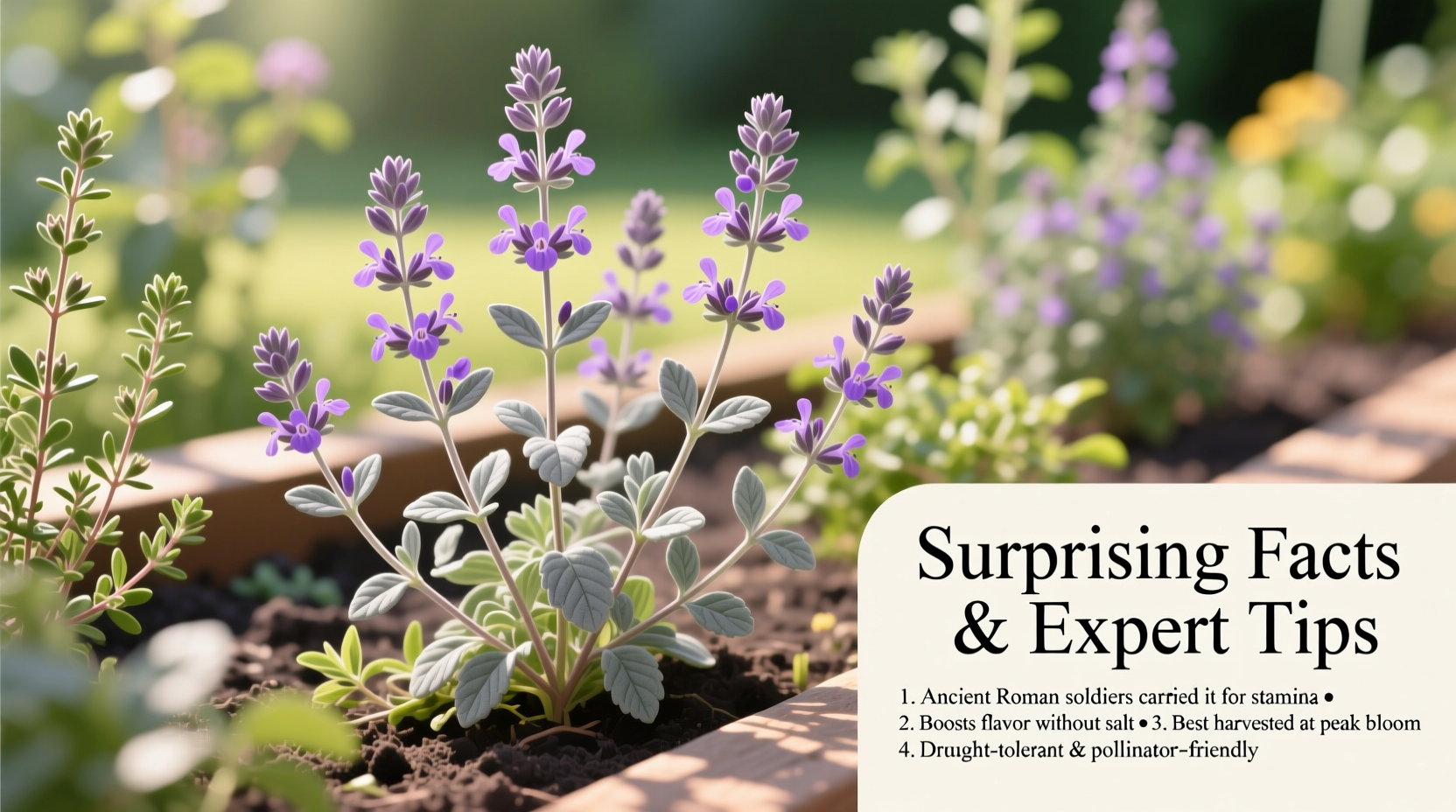
Summer savory is an aromatic annual herb in the Lamiaceae family, closely related to mint, oregano, and thyme. It grows up to 18 inches tall, producing slender stems covered in narrow green leaves and small white or pale pink flowers in mid to late summer. Unlike its perennial cousin winter savory (Satureja montana), which has a sharper, more resinous bite, summer savory offers a milder, more delicate profile—making it ideal for fresh use during its growing season or dried for year-round application.
The herb has been cultivated since antiquity, prized by the Romans and Greeks not only for seasoning but also for medicinal purposes. In ancient times, it was believed to soothe digestive ailments and reduce inflammation. Today, it remains a staple in regional European cooking, particularly in Bulgaria, Hungary, and France, where it’s known as “herb of beans” due to its remarkable ability to enhance legume-based dishes.
Culinarily, summer savory bridges the gap between bold and subtle, offering complexity without overwhelming other ingredients. Its versatility makes it suitable for both rustic home kitchens and refined restaurant preparations, especially in vegetarian and meat-centric dishes alike.
Key Characteristics
| Attribute | Description |
|---|---|
| Flavor Profile | Peppery, slightly sweet, with hints of marjoram and thyme; less camphorous than winter savory. |
| Aroma | Fragrant, herbal, mildly pungent when crushed; releases a warm, earthy scent upon handling. |
| Color & Form | Fresh: bright green leaves on thin stems. Dried: deep olive-green to brownish flakes or powder. |
| Heat Level | Non-spicy; contributes warmth through aroma rather than capsaicin-like heat. |
| Culinary Function | Seasoning agent, digestif enhancer (especially for legumes), bouquet garni component. |
| Shelf Life | Fresh: 5–7 days refrigerated. Dried: 1–2 years if stored properly in airtight container away from light. |
Practical Usage: How to Use Summer Savory in Cooking
Summer savory shines in dishes where balance and depth are key. Because of its affinity for pulses, it's traditionally added to bean soups, lentil stews, and baked beans—often early in the cooking process to allow its flavors to meld. A pinch of dried summer savory reduces gassiness associated with beans, making it not just flavorful but functionally beneficial.
In meat cookery, it complements poultry, pork, and game birds. When combined with garlic, onion, and black pepper, it forms the backbone of many Eastern European rubs and marinades. For roasted chicken, mix 1 tsp dried summer savory with ½ tsp each of paprika, salt, and garlic powder, then rub under and over the skin before roasting. The result is juicy, fragrant meat with a nuanced herbal finish.
Fresh summer savory works beautifully in salads, herb butters, and vinaigrettes. Finely chop the leaves and fold them into compound butter with lemon zest and parsley. This preparation pairs exceptionally well with grilled fish or corn on the cob.
Step-by-Step: Enhancing a Classic Bean Soup
- Sauté onions, carrots, and celery in olive oil until softened.
- Add soaked and drained white beans (such as cannellini or navy).
- Pour in vegetable or chicken stock, bring to a simmer.
- Add 1 tablespoon chopped fresh summer savory (or 1 teaspoon dried).
- Include one bay leaf and a sprig of thyme if desired.
- Cook for 60–90 minutes until beans are tender.
- Remove aromatics, adjust seasoning, and stir in a splash of vinegar or lemon juice at the end to brighten the dish.
Pro Tip: Add dried summer savory early in slow-cooked dishes to extract full flavor. For fresh herb use, stir in during the last 5–10 minutes to preserve volatile oils and brightness.
Variants & Types
Summer savory is available in several forms, each suited to different culinary needs:
- Fresh Bunches: Sold at farmers’ markets and specialty grocers in summer months. Best for immediate use in salads, sauces, and garnishes.
- Dried Leaves: Most common commercial form. Ideal for long-term storage and use in soups, stews, and spice blends.
- Ground Powder: Less common but useful for uniform distribution in dry rubs and seasoning salts.
- Cultivated Seeds: Available for home gardeners; plants thrive in well-drained soil with full sun exposure.
When selecting dried summer savory, look for vibrant color and strong aroma—avoid dull, faded batches, which indicate age and flavor loss. Organic options are preferable, as they’re less likely to be irradiated or treated with preservatives that degrade quality.
Home cultivation offers the freshest supply. Start seeds indoors 6–8 weeks before the last frost, then transplant outdoors after danger of frost has passed. Pinch back regularly to encourage bushy growth and delay flowering, which can make leaves bitter.
Comparison with Similar Ingredients
Summer savory is frequently confused with other herbs due to overlapping flavor notes. Understanding the distinctions ensures accurate substitution and better dish outcomes.
| Herb | Flavor Comparison | Best Substitution Ratio | Notes |
|---|---|---|---|
| Winter Savory | Bolder, more pine-like, slightly bitter | ½ amount of winter savory replaces 1 part summer | Use cautiously; stronger flavor can dominate |
| Thyme | Earthy, floral, less peppery | 1:1 in most cooked dishes | Closest substitute; add a pinch of marjoram for authenticity |
| Marjoram | Sweeter, milder, more floral | 1:1, though less robust in long cooks | Good for delicate dishes; lacks savory’s punch |
| Oregano | More pungent, zesty, with camphor notes | ¾ oregano = 1 summer savory | Can overpower; best diluted with thyme or marjoram |
“Summer savory is the quiet diplomat of the herb world—it doesn’t shout, but everything tastes better because it’s there.” — Chef Liana Krissoff, author of *Canning for a New Generation*
Practical Tips & FAQs
What dishes benefit most from summer savory?
Bean-based recipes top the list—think chili, split pea soup, lentil loaf, and cassoulet. It also enhances egg dishes, stuffings, sausages, tomato sauces, and roasted root vegetables. In French cuisine, it’s a minor but essential player in herbes de Provence, typically comprising 10–15% of the blend.
Can I substitute dried for fresh—and vice versa?
Yes, but adjust quantities. As a rule, **1 teaspoon dried summer savory equals 1 tablespoon fresh**. Dried herb has concentrated flavor due to moisture removal, so use sparingly when substituting upward. Conversely, when replacing dried with fresh, increase volume and add later in cooking to prevent overcooking delicate oils.
How should I store summer savory?
Fresh bunches should be wrapped in a damp paper towel and placed in a plastic bag in the refrigerator crisper drawer. Use within a week. To extend life, stand stems in a glass of water (like cut flowers) and cover loosely with a plastic bag. Change water every two days.
Dried summer savory must be stored in an airtight glass jar, kept in a cool, dark cupboard. Exposure to heat, light, or humidity diminishes potency. Label with purchase date and aim to replace after 18 months for optimal flavor.
Does summer savory have health benefits?
Traditionally, it has been used to support digestion, particularly when consuming gas-producing foods like beans. It contains carvacrol and thymol—natural compounds with antimicrobial and antioxidant properties. While not a medicine, incorporating it into meals may contribute mild phytochemical support.
Is summer savory edible in flower form?
Yes. The small white-pink blossoms are edible and mildly flavored, suitable as a garnish for salads or infused into vinegars. However, once the plant flowers, leaf production slows and flavor may decline, so harvest leaves before full bloom for peak quality.
Why isn’t summer savory more popular?
Its seasonal availability and lack of presence in mainstream American herb gardens contribute to its obscurity. Unlike basil or cilantro, it isn't mass-marketed, and seed packets are harder to find outside specialty catalogs. Additionally, confusion with winter savory leads many cooks to avoid it, fearing excessive bitterness. Education and increased access could revive its status as a kitchen essential.
Garden-to-Table Hack: Freeze fresh summer savory in ice cube trays with olive oil or water. These cubes can be dropped directly into soups or sautés, preserving flavor for up to 6 months.
Expert Insight: A Case Study in Regional Cuisine
In Bulgarian cuisine, summer savory is indispensable. Known locally as *chubritsa*, it seasons nearly every savory dish—from kebapcheta (grilled minced meat rolls) to banitsa (cheese-filled pastry). One traditional recipe, *fasul with chubritsa*, involves slow-simmering white beans with onions, tomatoes, and generous amounts of the herb. Home cooks insist that omitting summer savory renders the dish incomplete.
This cultural reliance illustrates how a single herb can anchor regional identity. Chefs studying global flavors increasingly seek authentic ingredients like summer savory to replicate genuine taste profiles, rather than relying on generic substitutes.
Summary & Key Takeaways
Summer savory is far more than a forgotten herb—it is a powerful yet subtle tool in the culinary arsenal. With its peppery-sweet flavor, compatibility with legumes and meats, and functional digestive benefits, it deserves greater recognition in modern kitchens.
- It enhances bean dishes naturally, reducing flatulence while adding depth.
- Fresh or dried, it performs best when paired thoughtfully with complementary herbs like thyme and marjoram.
- Substitutions are possible, but none fully replicate its balanced profile.
- Proper storage preserves potency, whether fresh in the fridge or dried in a sealed jar.
- Growing your own ensures peak freshness and continuous harvest throughout summer.
Call to Action: Seek out summer savory at farmers' markets this season—or start seeds indoors next spring. Experiment with it in your next pot of chili or roasted vegetable medley. Once you experience its quiet magic, you’ll wonder how you ever cooked without it.




 浙公网安备
33010002000092号
浙公网安备
33010002000092号 浙B2-20120091-4
Comments
No comments yet. Why don't you start the discussion?