
Lint buildup on black clothing is more than just a cosmetic issue—it can make even well-maintained garments look worn and unkept. Traditionally, people turn to sticky tape or disposable lint rollers to clean their dark fabrics. However, these solutions are neither sustainable nor cost-effective in the long run. With increasing awareness around plastic waste and single-use products, many are seeking greener alternatives that preserve both fabric integrity and environmental health.
The good news is that effective, reusable, and eco-conscious methods exist to combat lint accumulation. From natural fiber brushes to intelligent washing techniques, sustainable lint removal is not only possible but often more efficient than conventional approaches. This guide explores practical, environmentally responsible strategies that help keep black clothes looking sleek and lint-free—without ever reaching for adhesive tape.
Why Lint Accumulates on Black Clothes
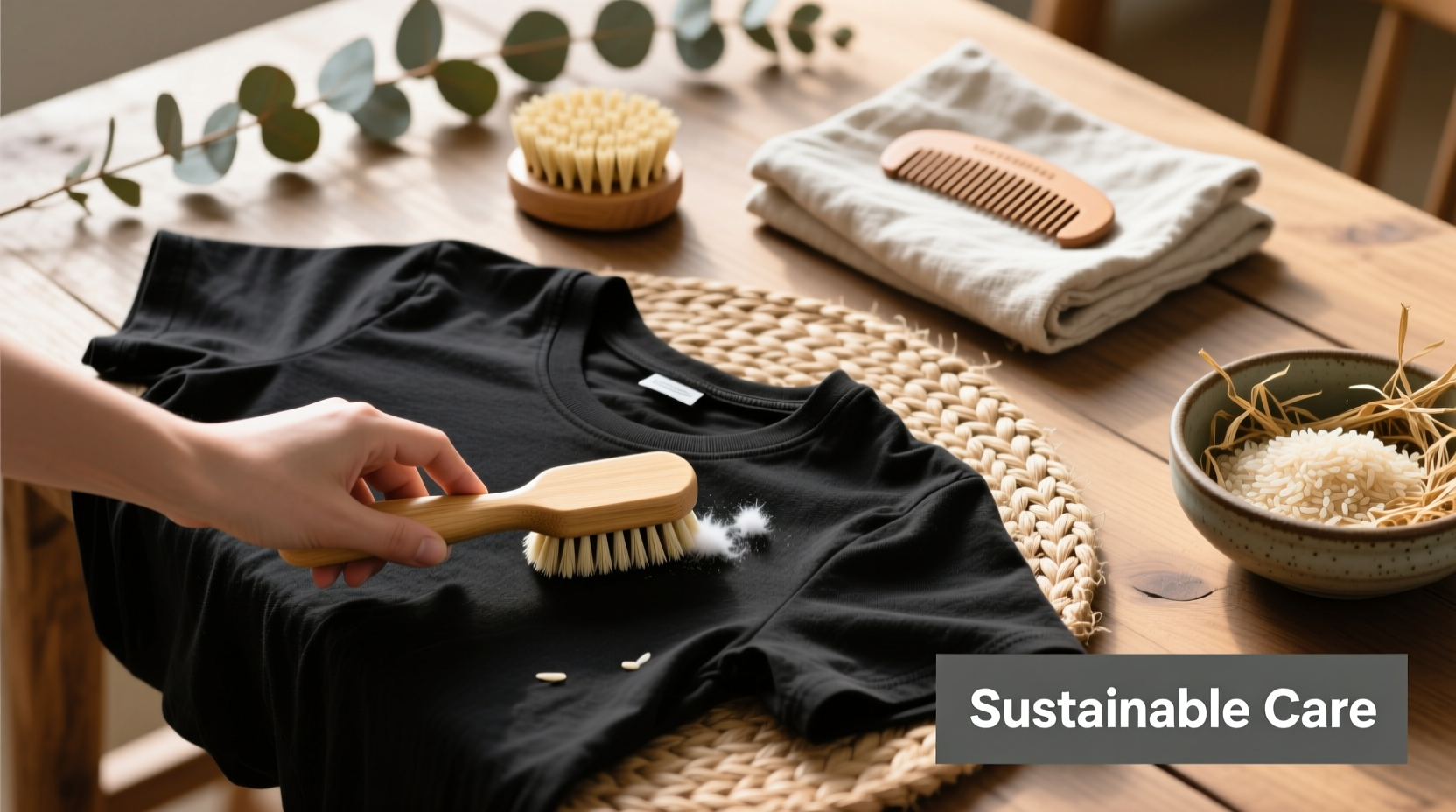
Lint—those tiny fibers that cling to fabric surfaces—is primarily composed of loose textile particles shed during wear, washing, or drying. Dark-colored clothing, especially black, tends to show lint more prominently due to contrast. Several factors contribute to this issue:
- Fabric composition: Cotton and cotton-blend fabrics shed more fibers than synthetic materials like polyester.
- Washing friction: Tumbling with other garments in the washer increases abrasion, releasing loose fibers.
- Drying conditions: High heat in dryers weakens fibers and promotes shedding.
- Static electricity: Dry environments increase static, which attracts lint and dust to dark surfaces.
Understanding these causes allows for targeted prevention and cleaning. Rather than relying on temporary fixes, addressing the root issues leads to longer-lasting results and reduces the need for frequent lint removal.
Reusable Fabric Brushes: The Eco-Friendly Alternative
One of the most effective and sustainable replacements for sticky tape is the fabric brush. Made from natural bristles such as boar hair or plant-based fibers, these tools gently lift lint, pet hair, and debris without damaging delicate fabrics.
Unlike disposable rollers, fabric brushes are designed to last for years with proper care. They require no refills, produce zero waste, and work efficiently on wool, cotton, denim, and blended textiles commonly found in black wardrobes.
To use a fabric brush effectively:
- Hold the garment taut over your knee or a flat surface.
- Brush in one direction using firm, smooth strokes.
- Focus on high-lint areas like collars, cuffs, and thighs.
- Clean the brush regularly by rinsing under warm water and combing out trapped fibers.
For heavier lint buildup, slightly dampening the brush can enhance its lifting power. Just ensure it dries completely before storage to prevent mildew.
“Natural fiber brushes are gentle on textiles and far more sustainable than plastic-based rollers. They’re a staple in professional wardrobe maintenance.” — Lena Torres, Textile Care Specialist at Green Garment Co.
Laundry Adjustments That Reduce Lint Buildup
Prevention is the cornerstone of sustainable lint control. By adjusting how you wash and dry black clothes, you can significantly reduce the amount of lint that forms in the first place.
Use Cold Water and Gentle Cycles
Hot water breaks down fibers faster, leading to increased shedding. Washing black garments in cold water preserves fabric strength and minimizes lint generation. Pair this with a gentle or delicate cycle to reduce mechanical stress.
Turn Clothes Inside Out
This simple step protects the outer surface of black clothing from abrasion during the wash. It keeps the visible side smoother and less prone to attracting lint post-wash.
Avoid Overloading the Washer
Crowded machines create more friction between garments, accelerating fiber loss. Leave enough space for clothes to move freely—about two fists’ width between the load and the drum’s top edge.
Use Wool Dryer Balls Instead of Sheets
Conventional dryer sheets contain chemicals that coat fabrics and may increase static cling, which attracts lint. Wool dryer balls naturally soften clothes, reduce drying time, and decrease static without residues. Add a few drops of essential oil to them for a light, chemical-free scent.
| Laundry Practice | Lint-Reducing Benefit | Eco-Impact |
|---|---|---|
| Cold water wash | Preserves fibers, reduces shedding | Saves energy, lowers carbon footprint |
| Inside-out washing | Protects fabric surface | Extends garment life |
| Wool dryer balls | Reduces static and drying time | Reusable, biodegradable |
| Full mesh laundry bags | Contains fiber shedding | Prevents microplastic release |
DIY Vinegar Rinse for Smoother Fabrics
A natural fabric conditioner alternative, white vinegar helps remove residue, soften fibers, and reduce static—all of which contribute to less lint attraction.
To prepare a vinegar rinse:
- Add ½ cup of distilled white vinegar to your washing machine’s fabric softener dispenser.
- Or, manually pour it during the final rinse cycle.
- Do not mix vinegar with bleach—this creates toxic fumes.
Vinegar neutralizes odors, removes detergent buildup, and leaves black clothes feeling softer. Softer fabrics generate less friction against the skin and other garments, reducing the likelihood of lint clinging.
For those concerned about smell, rest assured: the vinegar odor dissipates completely once the clothes are dry.
Mini Case Study: Reducing Lint in a Busy Urban Wardrobe
Jamal, a 34-year-old graphic designer in Toronto, wears black jeans and cotton shirts daily. After six months of constant washing, his favorite black crewneck sweater began showing heavy lint and pilling. Frustrated with sticky tape waste and ineffective results, he decided to overhaul his laundry routine.
He invested in a boar-bristle fabric brush, started turning clothes inside out before washing, switched to cold water cycles, and replaced dryer sheets with three wool dryer balls. He also began using a vinegar rinse every third wash.
Within two months, Jamal noticed a dramatic reduction in lint accumulation. His black garments looked cleaner for longer, required less frequent brushing, and retained their original texture. Most importantly, he eliminated all disposable lint-removal products from his routine.
“I used to go through a roll of lint tape every week,” Jamal said. “Now I just brush things off quickly, and my clothes last longer. It’s better for my closet and the planet.”
Step-by-Step Guide: Sustainable Lint Removal Routine
Follow this daily-to-weekly routine to maintain lint-free black clothing sustainably:
- Before Wearing: Inspect garments for visible lint. Use a dry fabric brush with downward strokes to remove loose fibers.
- After Wearing: Hang clothes in a ventilated area to air out. Avoid tossing them into piles where lint can transfer.
- Before Washing: Turn black clothes inside out. Place heavily shedding items in a mesh laundry bag.
- During Wash: Use cold water, mild detergent, and add ½ cup vinegar to the rinse cycle.
- Drying: Air-dry when possible. If using a dryer, use low heat and wool dryer balls. Remove clothes promptly to prevent wrinkling and static.
- Maintenance: Every 1–2 weeks, perform a thorough brushing session. Clean your fabric brush monthly with soapy water and a comb.
Common Myths About Lint and Black Clothing
Several misconceptions persist about lint removal and fabric care. Addressing these helps avoid counterproductive habits:
- Myth: All lint rollers are the same.
Reality: Disposable adhesive rollers create plastic waste and lose effectiveness after a few uses. Reusable options like fabric brushes or silicone rollers are more sustainable and often more durable. - Myth: More detergent means cleaner clothes.
Reality: Excess detergent leaves residue that attracts dirt and lint. Use the recommended amount, preferably a biodegradable formula. - Myth: Only cheap clothes shed lint.
Reality: Even high-quality natural fabrics shed fibers over time. Proper care—not fabric cost—determines longevity.
Checklist: Sustainable Lint Control Habits
Adopt these practices to keep black clothes lint-free and eco-friendly:
- ✅ Invest in a natural bristle fabric brush
- ✅ Wash black clothes inside out in cold water
- ✅ Use wool dryer balls instead of dryer sheets
- ✅ Apply a vinegar rinse monthly
- ✅ Store garments properly—on hangers or folded neatly
- ✅ Brush clothes before wearing, not just after lint appears
- ✅ Avoid mixing heavy fabrics (like towels) with delicate blacks
- ✅ Clean your brush regularly to maintain efficiency
FAQ
Can I use a rubber glove to remove lint?
Yes. Dampen a reusable rubber or nitrile glove and run your hand over the fabric in one direction. The static created lifts lint effectively. This method is zero-waste and works well for quick touch-ups.
Are silicone lint removers sustainable?
Silicone rollers are reusable and do not require replacement sheets. While made from synthetic material, they last for years and avoid the constant plastic waste of traditional rollers. Opt for brands with recyclable packaging for maximum sustainability.
How often should I deep-clean my black clothes to prevent lint?
Deep cleaning frequency depends on wear. For frequently worn items, wash every 3–5 wears using cold water and a gentle cycle. Spot clean between washes if needed. Over-washing accelerates fiber breakdown, so balance cleanliness with fabric preservation.
Conclusion: Rethink Lint, Respect Your Clothes
Removing lint from black clothes doesn’t have to mean contributing to plastic waste or relying on short-term fixes. Sustainable methods—from fabric brushes to smarter laundry habits—offer lasting solutions that protect both your wardrobe and the environment. These practices not only keep garments looking sharp but also extend their usable life, reducing the need for replacements and supporting a more conscious approach to fashion.
Every small change—brushing instead of taping, choosing vinegar over chemical softeners, air-drying when possible—adds up to meaningful impact. By adopting these techniques, you invest in quality, simplicity, and responsibility.




 浙公网安备
33010002000092号
浙公网安备
33010002000092号 浙B2-20120091-4
Comments
No comments yet. Why don't you start the discussion?