
Sweating is a natural bodily function designed to regulate temperature. But when perspiration occurs without obvious triggers—like heat, exercise, or stress—it can be confusing, uncomfortable, and even socially disruptive. Excessive sweating with no apparent cause, medically known as hyperhidrosis, affects millions worldwide. While occasional sweating in unusual situations may be harmless, persistent or sudden onset could point to deeper physiological or psychological factors. Understanding why your body might be overreacting helps distinguish between normal variation and conditions that warrant medical attention.
What Is Normal vs. Abnormal Sweating?
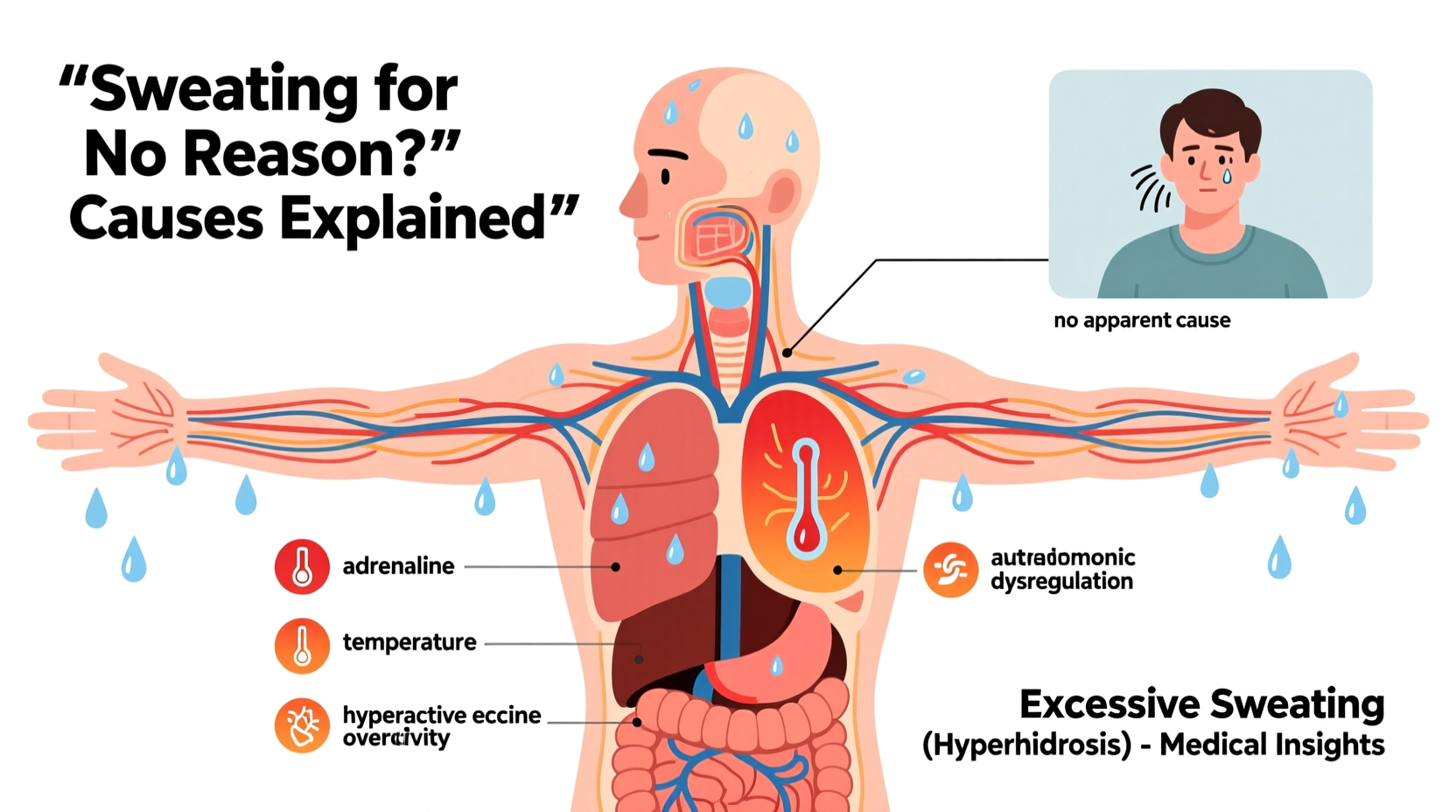
The human body has 2 to 4 million sweat glands distributed across the skin, primarily activated by the sympathetic nervous system. Normal sweating happens in response to elevated body temperature, physical activity, spicy foods, or emotional stimuli like anxiety. It’s localized—often on palms, soles, underarms, or forehead—and subsides once the trigger passes.
Abnormal sweating, however, occurs without these typical triggers. It may be:
- Drenching enough to soak through clothing
- Frequent and recurring (at least once a week)
- Affecting daily activities or social confidence
- Happening during rest or in cool environments
This kind of sweating often signals primary or secondary hyperhidrosis, two distinct categories with different causes and treatment paths.
Primary Focal Hyperhidrosis: When Your Nerves Overreact
Primary focal hyperhidrosis is the most common form of unexplained excessive sweating. It typically begins in adolescence and affects specific areas: palms, feet, underarms, or face. Unlike general sweating, this type isn’t triggered by heat or exertion but results from overactive nerves signaling the sweat glands unnecessarily.
The exact cause remains unclear, but research suggests a genetic component—up to 50% of sufferers have a family history. The autonomic nervous system, which controls involuntary functions, seems to misfire, sending constant “sweat” signals even when cooling isn’t needed.
Common characteristics include:
- Bilateral symmetry (both hands or both feet sweat equally)
- Onset before age 25
- Episodes lasting at least six months with no underlying illness
- At least one episode per week
- No sweating during sleep
“Primary hyperhidrosis isn't about poor hygiene or being 'nervous.' It's a neurological miscommunication that leads to real physical discomfort.” — Dr. Alan Jacobson, Dermatology Specialist
Secondary Generalized Hyperhidrosis: A Symptom of Underlying Conditions
When excessive sweating appears suddenly in adulthood, spreads across large body areas, or occurs during sleep, it may be secondary hyperhidrosis—a sign of another medical issue. Unlike the focal nature of primary hyperhidrosis, secondary sweating is generalized and often linked to systemic diseases or medications.
Potential underlying causes include:
- Endocrine disorders: Hyperthyroidism, diabetes, hypoglycemia, and menopause can all increase metabolic rate or disrupt hormonal balance, triggering sweat.
- Infections: Tuberculosis, HIV, endocarditis, and other chronic infections commonly present with night sweats.
- Cancer: Lymphoma and leukemia are frequently associated with unexplained weight loss and drenching night sweats.
- Neurological issues: Parkinson’s disease, spinal cord injuries, or autonomic neuropathy can interfere with sweat regulation.
- Medications: Antidepressants (especially SSRIs), insulin, hormone therapy, and some painkillers list sweating as a side effect.
- Mental health conditions: Anxiety disorders, PTSD, and panic attacks can produce intense sweating episodes without external triggers.
If you're sweating heavily at night, waking up soaked, or experiencing additional symptoms like fatigue, fever, or weight loss, consult a healthcare provider promptly.
Do’s and Don’ts When Dealing with Unexplained Sweating
| Do’s | Don’ts |
|---|---|
| Wear breathable, moisture-wicking fabrics like cotton or bamboo | Avoid synthetic materials like polyester that trap heat |
| Use clinical-strength antiperspirants at bedtime | Don’t apply deodorant only in the morning—reapply if needed |
| Stay hydrated to support thermoregulation | Don’t skip showers; bacteria thrive in damp skin folds |
| Track symptoms and share them with your doctor | Don’t assume it’s “just stress” without ruling out medical causes |
| Practice relaxation techniques like deep breathing or meditation | Don’t isolate yourself socially due to embarrassment |
Real-Life Scenario: Maria’s Sudden Night Sweats
Maria, a 48-year-old teacher, began waking up several times a week drenched in sweat, despite keeping her bedroom cool. At first, she attributed it to early menopause, which ran in her family. But the sweating persisted during the day, especially during meetings, and was accompanied by heart palpitations and unexplained fatigue.
After logging her symptoms and visiting her GP, blood tests revealed elevated thyroid hormone levels. She was diagnosed with Graves’ disease, an autoimmune form of hyperthyroidism. With proper medication and lifestyle adjustments, her sweating decreased significantly within two months. Her case underscores how “sweating for no reason” can be a crucial early warning sign of treatable conditions.
Treatment and Management Options
Managing excessive sweating depends on whether it’s primary or secondary. Treating the root medical condition resolves secondary hyperhidrosis in many cases. For primary hyperhidrosis, multiple evidence-based options exist:
- Topical antiperspirants: Aluminum chloride-based products (e.g., Drysol) applied at night block sweat ducts.
- Iontophoresis: A device passes mild electrical currents through water-soaked hands or feet, temporarily disabling sweat glands.
- Botox injections: FDA-approved for underarm sweating, Botox blocks nerve signals for 4–6 months.
- Oral medications: Anticholinergics reduce overall sweating but may cause dry mouth, blurred vision, or constipation.
- Surgical options: Endoscopic thoracic sympathectomy (ETS) cuts nerves responsible for hand or facial sweating—effective but carries risks like compensatory sweating elsewhere.
Step-by-Step Guide to Addressing Unexplained Sweating
- Observe and record: Track frequency, location, timing, and potential triggers for two weeks.
- Rule out lifestyle factors: Eliminate caffeine, alcohol, spicy foods, and tight clothing to see if symptoms improve.
- Visit your primary care physician: Share your log and request basic blood work (thyroid panel, glucose, CBC).
- Consider specialists: A dermatologist treats primary hyperhidrosis; an endocrinologist evaluates hormonal imbalances.
- Explore treatments: Start with conservative methods (antiperspirants, iontophoresis) before advancing to injections or surgery.
Frequently Asked Questions
Can anxiety cause sweating without feeling stressed?
Yes. Some people experience subconscious anxiety or micro-stressors—like anticipating a meeting or checking emails—that activate the fight-or-flight response without conscious awareness. The body reacts with sweating even if you don’t feel “stressed.”
Is it normal to sweat while eating?
Some sweating during meals, especially with spicy or hot foods, is normal (gustatory sweating). However, excessive facial or neck sweating while eating bland food may indicate nerve damage or a condition called Frey’s syndrome, often after surgery near the parotid gland.
Can losing weight reduce sweating?
For some, yes. Excess body weight increases metabolic load and insulation, making the body work harder to cool down. Weight loss can reduce overall sweat production, particularly in those with obesity-related hyperhidrosis.
Take Control of Your Comfort
Excessive sweating without an obvious cause isn’t something you should simply endure. Whether it stems from overactive nerves, hormonal shifts, or an undiagnosed illness, effective solutions exist. Early recognition and professional evaluation can transform discomfort into manageable control. Don’t let embarrassment delay action—many people experience similar challenges, and modern medicine offers real relief. Take the first step today by speaking with a healthcare provider and exploring what’s truly behind your symptoms.




 浙公网安备
33010002000092号
浙公网安备
33010002000092号 浙B2-20120091-4
Comments
No comments yet. Why don't you start the discussion?