
When planning a road trip, entertainment is essential—especially during long stretches between destinations. For gamers, the Nintendo Switch has become a go-to device. But with two major handheld models—the original Switch and the Switch Lite—choosing the right one for your journey isn't always straightforward. The key difference lies in how each model fits into your daily carry setup, particularly when packed into a backpack. Size, weight, screen protection, and accessory requirements all influence how well each console integrates into mobile life.
This guide dives deep into real-world usability, comparing both consoles not just by specs, but by how they perform in the context of frequent movement, limited space, and unpredictable environments. Whether you're traveling cross-country or just heading to a weekend cabin, understanding the nuances between these two devices can make your experience smoother, lighter, and more enjoyable.
Portability: Size and Weight Compared
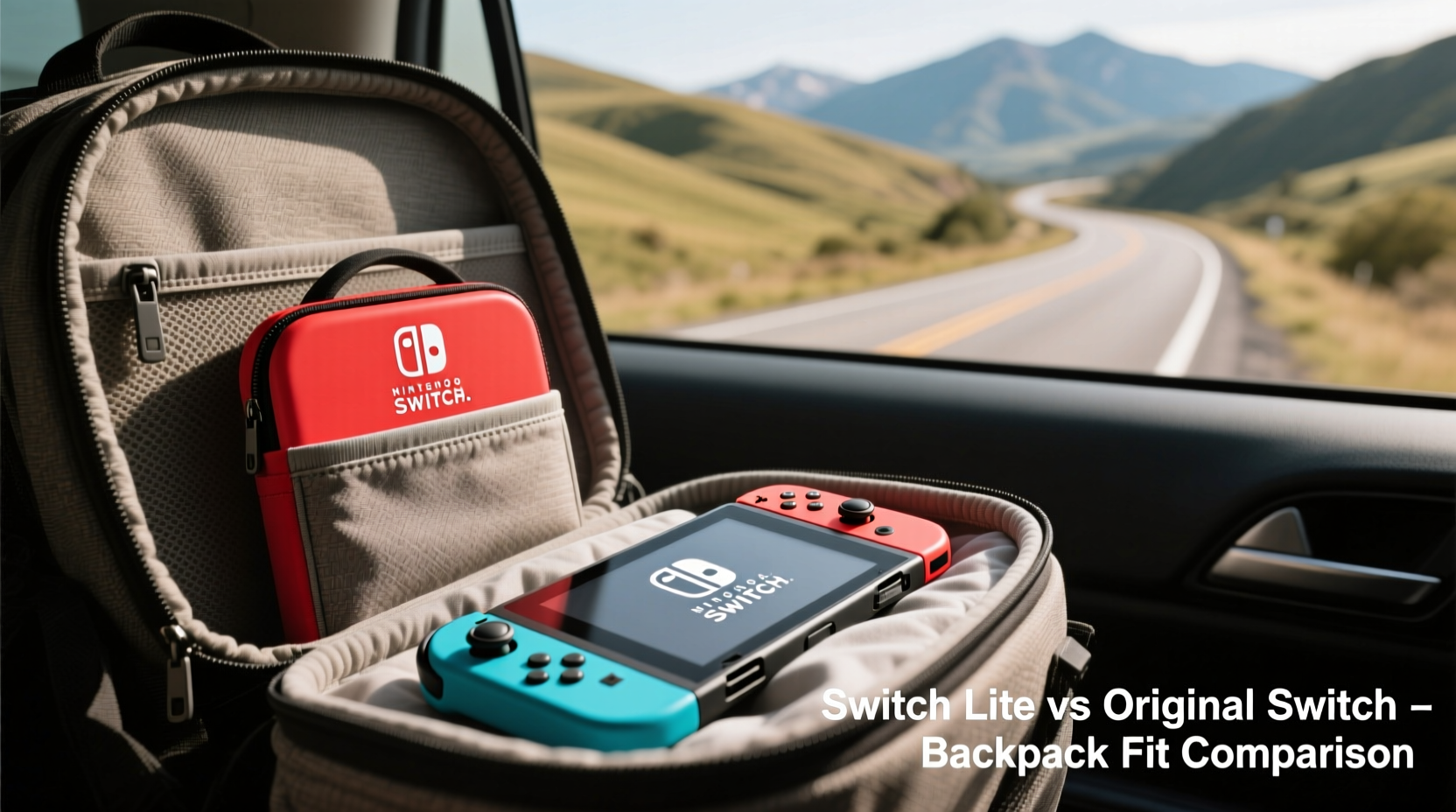
The most immediate factor when packing for a road trip is physical space. Every inch matters when your backpack also holds clothes, snacks, chargers, and other essentials. Here’s where the Switch Lite gains an early advantage.
The Switch Lite measures 8.2 x 3.6 x 0.55 inches and weighs approximately 0.61 pounds (275 grams). In contrast, the original Switch is larger at 9.4 x 4.1 x 0.55 inches and slightly heavier at 0.73 pounds (320 grams) when docked or held with attached Joy-Cons. While the difference may seem minor on paper, it becomes noticeable after hours of carrying gear or when trying to fit everything into a compact bag.
Beyond dimensions, the Switch Lite was designed exclusively as a handheld. It lacks detachable controllers and TV mode functionality, allowing Nintendo to streamline its design. There are no protruding components, making it easier to slide into a padded sleeve or side pocket without snagging.
The original Switch, while still portable, requires more careful packing. Detached Joy-Cons add bulk, and if you plan to use them separately, you’ll need additional storage solutions like controller cases or elastic straps. Even when attached, the angular shape of the Joy-Cons increases the overall footprint, raising the risk of screen scratches or button damage if jostled inside a crowded compartment.
Backpack Fit: Real-World Space Efficiency
Fitting a console into a backpack involves more than just matching dimensions. You must consider layout, accessibility, and protection. Most travelers use medium-sized daypacks (20–30 liters), which typically feature one main compartment, front organizer pockets, and side mesh sleeves.
In this environment, the Switch Lite consistently outperforms. Its rectangular profile aligns perfectly with standard tablet sleeves found in many bags. It can nestle beside a phone charger, notebook, or even a small power bank without requiring dedicated pouches. Many users report being able to store it directly in a zippered front pocket alongside keys and wallets.
The original Switch, due to its wider frame, rarely fits in smaller organizational sections. It usually needs placement in the main cavity, often wrapped in a protective case or tucked under clothing for cushioning. This makes retrieval less convenient and increases the chance of accidental pressure on the screen—especially if the bag gets squashed in a car trunk or overhead bin.
| Feature | Switch Lite | Original Switch |
|---|---|---|
| Dimensions (inches) | 8.2 x 3.6 x 0.55 | 9.4 x 4.1 x 0.55 |
| Weight (lbs) | 0.61 | 0.73 |
| Fits in front pocket? | Yes, in most packs | Rarely |
| Needs separate case? | No (optional) | Highly recommended |
| Joy-Con storage required? | N/A | Yes |
One traveler shared their experience driving from Denver to Moab with both systems: “I brought both consoles thinking I’d switch based on gameplay. By day two, I stopped using the original Switch altogether. It took up too much room in my hiking pack, and I kept worrying about the screen cracking when I threw the bag down in the backseat.”
Durability and Travel Readiness
Road trips aren’t gentle on electronics. Temperature swings, bumpy roads, sudden stops, and hurried packing create a high-risk environment for fragile devices. Durability plays a crucial role in determining which console survives repeated use on the move.
The Switch Lite’s sealed-unit design eliminates loose parts. No detachable Joy-Cons mean fewer points of failure. Buttons and analog sticks are recessed slightly, reducing exposure to dust and impact. However, its glossy finish shows fingerprints easily and can scratch if placed loosely among keys or coins.
The original Switch, while robust, introduces vulnerabilities through modularity. Joy-Cons can detach unexpectedly if the bag shifts. Their exposed rail connectors attract lint and debris, potentially affecting connectivity over time. Additionally, the kickstand on the back—though useful—is thin and prone to snapping off if pressure is applied while packed.
“Frequent travelers should prioritize integrated designs. Fewer moving parts equal fewer things that can break en route.” — Jordan Lee, Electronics Field Tester, TechNomad Reviews
If you're frequently getting in and out of vehicles or hiking short trails during your trip, minimizing setup time and handling reduces wear. The Switch Lite powers on instantly and is ready to play. The original Switch may require reattaching controllers, syncing Bluetooth audio, or adjusting grip—all steps that increase the window for accidents.
Battery Life and Charging Logistics
Battery performance directly affects how often you interact with your device during travel. Frequent charging means more cables, adapters, and potential clutter in your pack.
The Switch Lite offers up to 3–7 hours of gameplay depending on brightness and game intensity. Lighter games like *Animal Crossing* or *Tetris 99* often reach the upper end. The original Switch (OLED and V2 models) ranges from 4.5–9 hours, giving it an edge in longevity for longer drives.
However, battery advantage doesn’t always translate to convenience. The original Switch uses USB-C, same as the Lite, so both can share chargers. But because the original Switch is often used with accessories—Joy-Con grips, external batteries, headsets—its total power ecosystem grows faster. That means more cords and dongles to manage.
For minimalist travelers, the Switch Lite simplifies charging: one cable, one device, one slot on the power bank. No extra receivers or sync issues. During a multi-day trip through rural areas with limited outlets, fewer dependencies mean greater reliability.
Case Study: A Cross-State Drive with Both Consoles
Samantha, a digital nomad and avid gamer, recently drove from Austin to Santa Fe—a 12-hour journey split over two days. She packed both Switch models to test usability under real conditions.
She started Day 1 using the original Switch, connecting it to her tablet mount for viewing while her partner drove. After three hours, she noticed the screen reflected glare heavily and had to adjust positioning repeatedly. When switching drivers, the console was accidentally dropped onto the floorboard, resulting in a small crack near the left analog stick.
On Day 2, she switched exclusively to the Switch Lite. She stored it in a slim EVA hard case inside her backpack’s laptop compartment. During rest stops, she played handheld without needing to unpack anything else. At campsites, she used it with wireless earbuds and didn’t worry about losing Joy-Cons around the fire pit.
Her verdict: “The original Switch is great at home, but on the road, the Lite felt like the smarter choice. It stayed protected, charged less often than I expected, and never got in the way.”
Packing Checklist for Traveling with Your Switch
To maximize efficiency and minimize stress, follow this concise checklist before hitting the road:
- Choose the right case: Padded sleeve for Lite; rigid shell case for original Switch
- Include essential cables: One USB-C cable (preferably braided for durability)
- Power bank: Minimum 10,000mAh capacity with fast-charging support
- Screen protector: Applied beforehand to prevent micro-scratches
- Headphones or earbuds: Compact and tangle-free
- Cleaning wipe: Alcohol-free, anti-static cloth for quick cleanups
- Game cartridge case: Holds 4–6 games to avoid digging through bags
- Optional: Finger grips or stylus for precise touch controls
For the original Switch only:
- Detachable Joy-Con storage case
- Sync reset tool (small pin)
- Controller charging grip or portable battery pack
FAQ: Common Questions About Traveling with Switch Models
Can I bring my Switch on a plane in my carry-on?
Yes, both Switch models are allowed in carry-on luggage. Keep them easily accessible for security screening. Avoid checking them in hold luggage due to temperature and pressure risks.
Is the Switch Lite worth it if I already own a regular Switch?
If you travel frequently or prefer pure handheld gaming, yes. The Lite serves as a dedicated mobile unit, freeing your original Switch for home use. Many owners keep both for this reason.
Does heat affect either console during long car rides?
Yes. Leaving either Switch in direct sunlight—like on a dashboard—can cause overheating or permanent damage. Always store it in a shaded, ventilated area within your bag. Interior temperatures above 95°F (35°C) should be avoided.
Final Verdict: Which Belongs in Your Road Trip Backpack?
While the original Nintendo Switch offers versatility with TV mode and detachable controllers, the Switch Lite excels in the specific context of road travel. Its compact size, lighter weight, and self-contained design make it inherently more suited to life on the move. It slips into tight spaces, resists accidental damage, and reduces accessory clutter.
The original Switch demands more attention: careful packing, added cases, and mindful handling. These aren’t dealbreakers, but they do introduce friction—something you want to minimize when navigating unfamiliar terrain or changing locations daily.
Ultimately, if your primary goal is seamless, hassle-free gaming during road trips, the Switch Lite is the superior choice. It respects the constraints of backpack living and rewards simplicity. That doesn’t diminish the original Switch’s value; it simply highlights that different tools serve different purposes. For couch sessions and multiplayer nights, the original reigns. But for the open road, the Lite leads.




 浙公网安备
33010002000092号
浙公网安备
33010002000092号 浙B2-20120091-4
Comments
No comments yet. Why don't you start the discussion?