
For decades, gas boilers have been the backbone of home heating across the UK. But as climate goals tighten and energy prices fluctuate, homeowners are increasingly asking: should I switch to an air source heat pump? With government incentives, rising environmental awareness, and long-term savings on the table, the idea is tempting. Yet, the upfront cost, installation complexity, and performance questions make many hesitate. This guide cuts through the noise with real data, expert insights, and practical advice to help you decide whether making the switch is truly worth it — for your wallet, your comfort, and the planet.
How Air Source Heat Pumps Work vs. Gas Boilers
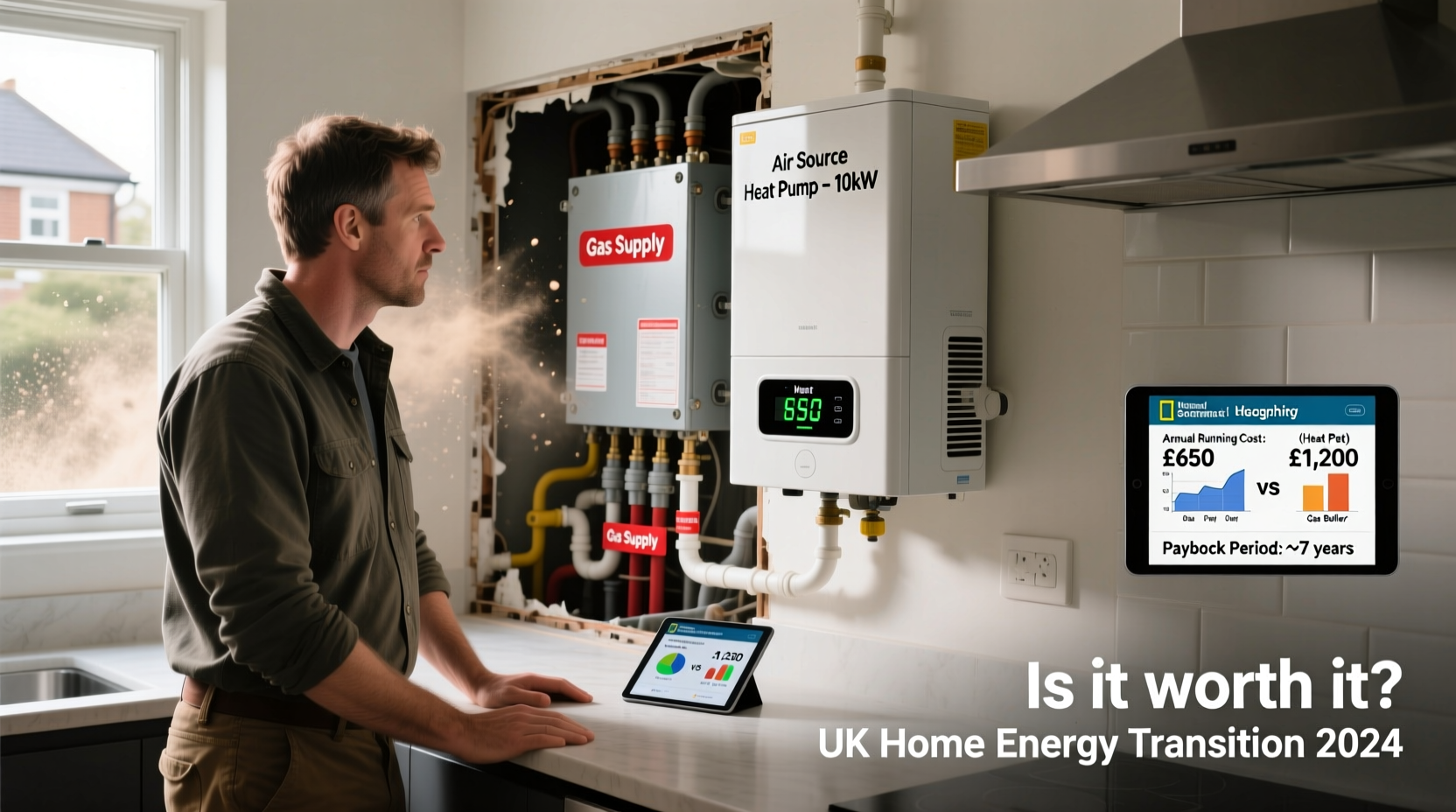
A gas boiler burns natural gas to generate heat, which is then distributed through radiators or underfloor systems. In contrast, an air source heat pump (ASHP) extracts ambient heat from the outside air — even in cold weather — and transfers it indoors using refrigerant technology similar to a refrigerator running in reverse. While this process uses electricity, it moves more heat energy than it consumes, typically delivering 3 to 4 units of heat for every 1 unit of electricity used (a coefficient of performance, or CoP, of 3–4).
This high efficiency makes ASHPs inherently greener, especially as the UK’s electricity grid shifts toward renewables. However, their effectiveness depends heavily on home insulation, radiator size, and outdoor temperatures. Unlike gas boilers that deliver rapid, high-temperature heat, heat pumps operate best at lower temperatures over longer periods — meaning your heating habits may need adjustment.
Cost Breakdown: Upfront Investment vs. Long-Term Savings
The most common concern about switching is cost. A new gas boiler typically costs between £1,500 and £3,000 to install. An air source heat pump, meanwhile, ranges from £8,000 to £14,000, depending on system size, property type, and installer expertise.
However, the UK government’s Boiler Upgrade Scheme (BUS) currently offers a £7,500 grant for eligible homeowners installing an ASHP, significantly reducing net outlay. After the grant, many households pay between £1,500 and £6,500 — bringing the investment closer to that of a premium gas boiler.
| Heating System | Average Installation Cost | Running Cost (Annual, est.) | Lifespan | Maintenance Cost/Year |
|---|---|---|---|---|
| Gas Boiler | £1,500 – £3,000 | £1,200 – £1,800 | 10–15 years | £80–£120 |
| Air Source Heat Pump | £8,000 – £14,000 (After £7,500 grant: £500 – £6,500) |
£800 – £1,200 | 15–20 years | £100–£150 |
Over 15 years, a heat pump could save £4,000–£9,000 in energy bills alone, assuming stable energy prices. When factoring in lower maintenance needs and longer lifespan, the financial case strengthens — especially for homes already off the gas grid or with high insulation levels.
Real-World Example: The Smith Family in Leeds
The Smiths, a family of four in a semi-detached 1980s home in Leeds, replaced their 14-year-old gas boiler with an 11kW air source heat pump in early 2023. Their total cost was £12,000, but they received the full £7,500 BUS grant, leaving them with a £4,500 net expense.
They also upgraded loft and cavity wall insulation at the same time, improving EPC rating from D to B. Their annual heating bill dropped from £1,700 to £1,050 — a saving of £650 per year. They adjusted to slower heating response times by using smart controls to pre-heat rooms, but report greater comfort due to consistent background warmth.
“We were nervous about the change,” says Sarah Smith, “but after six months, we’ve saved nearly £350 and our house feels more evenly heated. Plus, knowing we’re cutting carbon helps.”
“Air source heat pumps aren’t just about replacing boilers — they’re part of a smarter, low-carbon home. When paired with good insulation and solar PV, they can slash both bills and emissions.” — Dr. James Reed, Energy Systems Researcher, Imperial College London
Step-by-Step Guide to Switching Successfully
Making the switch requires planning. Follow this timeline to avoid costly mistakes:
- Assess Your Home’s Suitability (Week 1–2): Check insulation levels, EPC rating, and available outdoor space for the external unit. Homes with poor insulation or single-glazed windows may not be ideal candidates without upgrades.
- Get Multiple Quotes (Week 3): Use MCS-certified installers only. Obtain at least three detailed quotes comparing system size, efficiency ratings, warranties, and projected running costs.
- Apply for the Boiler Upgrade Scheme (Week 4): Your installer usually handles this, but confirm eligibility. You must not have received previous BUS funding.
- Prepare Your Home (Week 5–6): Upgrade insulation, consider larger radiators or underfloor heating if recommended, and ensure adequate electrical supply (most ASHPs require a dedicated circuit).
- Installation (1–3 Days): The external unit is mounted, pipework installed, and connected to the internal heat distribution system. Minimal disruption if planned well.
- Commissioning & Training (Final Day): The system is tested, calibrated, and you’re trained on optimal use — including programming schedules and maintaining defrost cycles.
Common Misconceptions and Challenges
Several myths deter homeowners from considering heat pumps. One is that they don’t work in cold UK winters. In reality, modern ASHPs operate efficiently down to -15°C. Another is that they’re noisy. Most units produce around 40–50 decibels — comparable to a quiet conversation — and should be sited away from bedroom windows.
Challenges do exist. Older homes with small radiators may struggle to reach desired temperatures without upgrading the heating system. Electric tariffs also matter: if you're on a standard variable tariff, savings shrink. Those on Economy 7 or smart tariffs benefit more by running the pump during off-peak hours.
Additionally, while heat pumps reduce carbon emissions by 50–70% compared to gas boilers, the actual environmental benefit depends on your local grid mix. As the UK continues phasing out coal and expanding offshore wind, that footprint will keep shrinking.
Frequently Asked Questions
Can I install an air source heat pump if I’m on the gas grid?
Yes, you can. While heat pumps are often recommended for off-grid homes, many on-gas-grid households are switching to reduce emissions and lock in lower long-term energy costs. The Boiler Upgrade Scheme is open to all, regardless of gas availability.
Will a heat pump heat my home as quickly as my gas boiler?
Not exactly. Heat pumps deliver warmth gradually at lower flow temperatures (typically 35–45°C vs. 60–80°C for boilers). This means they work best when left on consistently rather than used for quick top-ups. Smart thermostats help optimise timing.
Do I need planning permission?
In most cases, no — if the unit meets certain size and location criteria (e.g., not in a conservation area, under 0.6 cubic metres, set back from boundaries). Always check with your local authority to confirm.
Checklist Before You Commit
- ✅ Assess your home’s insulation and EPC rating
- ✅ Confirm eligibility for the Boiler Upgrade Scheme (£7,500 grant)
- ✅ Obtain quotes from at least three MCS-certified installers
- ✅ Evaluate your current heating system (radiator size, controls)
- ✅ Consider pairing with solar panels or a smart meter
- ✅ Understand how your electricity tariff affects running costs
- ✅ Plan for potential radiator or underfloor heating upgrades
Conclusion: Is It Worth the Cost and Hassle?
Switching from a gas boiler to an air source heat pump isn’t a decision to make lightly. The upfront cost, changes in heating behaviour, and need for home improvements represent real hurdles. But for many UK homeowners — particularly those in well-insulated properties aiming to cut long-term bills and carbon footprints — the switch is increasingly worthwhile.
With government grants bridging much of the initial gap, falling electricity costs from renewable sources, and superior system longevity, air source heat pumps are no longer just eco-friendly alternatives — they’re becoming financially sensible ones too. The transition does require adaptation, but the payoff in comfort, sustainability, and resilience against fossil fuel volatility is substantial.




 浙公网安备
33010002000092号
浙公网安备
33010002000092号 浙B2-20120091-4
Comments
No comments yet. Why don't you start the discussion?