
It’s common to wake up the morning after wisdom tooth extraction with puffy, swollen cheeks that make speaking, eating, or even smiling uncomfortable. While alarming at first glance, facial swelling is a natural part of the healing process. Understanding why it occurs and how to manage it effectively can significantly improve your recovery experience. This guide breaks down the science behind post-extraction swelling, offers practical steps to minimize discomfort, and helps you distinguish between normal healing and signs of complications.
Why Swelling Happens After Wisdom Teeth Removal
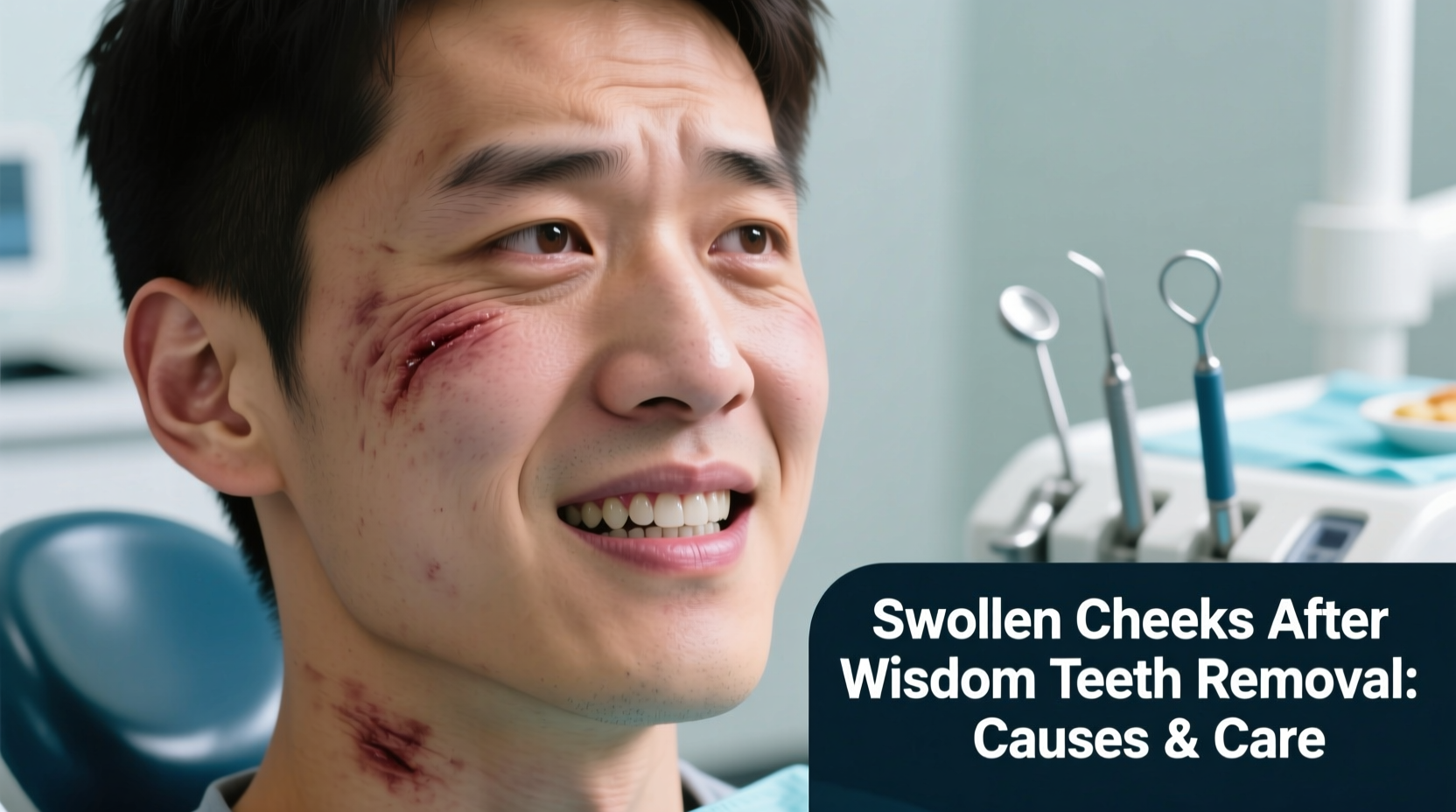
Swelling in the cheeks following wisdom tooth extraction is the body’s automatic inflammatory response to surgical trauma. During the procedure, soft tissues and sometimes bone are manipulated to remove impacted or partially erupted molars. This disruption triggers an immune reaction designed to protect and repair the area.
Blood vessels dilate to increase blood flow, delivering white blood cells and nutrients to the site. Fluid accumulates in the surrounding tissues—particularly in loose connective areas like the cheeks and jaw—which leads to visible puffiness. The peak of swelling typically occurs 48 to 72 hours after surgery before gradually subsiding.
“Post-operative swelling is not only expected but necessary for healing. It shows your body is responding appropriately to tissue injury.” — Dr. Alan Reyes, Oral & Maxillofacial Surgeon
Timeline of Swelling: What to Expect Day by Day
Knowing what to expect each day can help you stay calm and proactive during recovery. Here's a realistic timeline:
- Day 0 (Surgery Day): Mild swelling begins. Apply ice packs immediately to slow fluid buildup.
- Day 1–2: Swelling increases and may peak around 48 hours post-op. This is normal.
- Day 3: Swelling should stabilize or start to decrease. If it worsens, contact your dentist.
- Day 4–7: Gradual reduction in puffiness. Most patients see significant improvement by day 5.
- Day 7–10: Swelling typically resolves completely, though minor tightness may linger.
Effective Ways to Reduce Cheek Swelling
You can’t eliminate swelling entirely, but these evidence-based strategies will help control it and shorten recovery time.
1. Ice Therapy in the First 48 Hours
Apply ice packs for 15 minutes on, 15 minutes off during the first two days. Cold constricts blood vessels, limiting fluid leakage into tissues.
2. Switch to Warm Compresses After 72 Hours
Once peak swelling has passed, warm compresses enhance circulation and help drain accumulated fluid. Use a clean cloth soaked in warm water for 20-minute intervals.
3. Keep Your Head Elevated
Lying flat encourages fluid to pool in the face. Sleep with two or three pillows to keep your head above heart level, especially the first three nights.
4. Stay Hydrated and Eat Soft Foods
Dehydration slows healing. Drink plenty of water, and consume nutrient-rich liquids like smoothies, broths, and protein shakes. Avoid straws—suction can dislodge blood clots.
5. Follow Prescribed Medications
Take anti-inflammatory drugs (like ibuprofen) as directed. If antibiotics are prescribed, complete the full course even if symptoms improve.
Do’s and Don’ts: Post-Extraction Care Table
| Do’s | Don’ts |
|---|---|
| Use ice packs within the first 48 hours | Smoke or use vaping devices |
| Eat soft, cool foods (yogurt, mashed potatoes) | Drink through a straw |
| Rinse gently with warm salt water after 24 hours | Spit forcefully or rinse aggressively |
| Rest and avoid strenuous activity for 3–5 days | Exercise or lift heavy objects |
| Take prescribed pain and anti-inflammatory meds | Ignore worsening pain or fever after day 3 |
When Swelling Might Signal a Problem
While some puffiness is normal, certain symptoms suggest infection or dry socket—the breakdown of the protective blood clot. Be alert for:
- Swelling that increases after day 3 instead of decreasing
- Severe pain radiating to the ear or temple not relieved by medication
- Fever above 100.4°F (38°C)
- Pus or foul taste/smell in the mouth
- Difficulty opening your mouth or swallowing
If any of these occur, contact your oral surgeon promptly. Delayed treatment can lead to prolonged recovery or systemic infection.
Real Recovery Example: Sarah’s Experience
Sarah, a 24-year-old graduate student, had all four wisdom teeth removed under sedation. She woke up with noticeable cheek swelling and mild bruising along her jawline. Following her surgeon’s advice, she used ice packs consistently the first day and slept propped up. By day two, her cheeks were at their fullest, but she didn’t panic—she knew this was typical. On day three, she switched to warm compresses and began gentle saltwater rinses. By day five, swelling had reduced by half, and she could eat scrambled eggs without pain. Her full recovery took nine days, but she felt confident throughout because she understood what to expect.
FAQ: Common Questions About Post-Extraction Swelling
How long does cheek swelling last after wisdom teeth removal?
Most swelling peaks at 48–72 hours and begins to fade by day 4. Significant improvement is usually seen by day 5–7, with full resolution within 7–10 days.
Is it normal for only one side to be swollen?
Yes. Swelling can be asymmetrical, especially if one tooth was more impacted or required more extensive work. However, monitor the more swollen side closely for signs of infection.
Can I speed up the healing process naturally?
Yes. Rest, hydration, proper nutrition, and avoiding irritants like smoking all support faster healing. Some studies suggest bromelain (from pineapple) and arnica may help reduce inflammation, though consult your doctor before trying supplements.
Step-by-Step Recovery Checklist
Follow this checklist to ensure optimal healing and minimal swelling:
- ✅ Immediately after surgery: Apply ice pack for 15 minutes every hour.
- ✅ Keep head elevated while resting or sleeping.
- ✅ Begin gentle saltwater rinses (½ tsp salt in 8 oz warm water) after 24 hours.
- ✅ Take prescribed medications as directed—don’t skip doses.
- ✅ Eat soft, cool foods; avoid hot, spicy, or crunchy items.
- ✅ After 72 hours, switch to warm compresses to promote drainage.
- ✅ Avoid smoking, alcohol, and strenuous activity for at least 5 days.
- ✅ Attend your follow-up appointment and report any unusual symptoms.
Conclusion: Healing Is a Process—Stay Informed and Patient
Swollen cheeks after wisdom teeth removal are a predictable and manageable part of recovery. With the right care, most people return to normal activities within a week. The key is early intervention—using cold therapy, staying upright, and protecting the surgical site from irritation. Knowledge reduces anxiety, and preparation improves outcomes. Trust your body’s ability to heal, follow medical guidance, and don’t hesitate to reach out to your dental team if something feels off.




 浙公网安备
33010002000092号
浙公网安备
33010002000092号 浙B2-20120091-4
Comments
No comments yet. Why don't you start the discussion?