
When it comes to wearable gear—whether backpacks, camera harnesses, sports braces, or even high-end watches—the debate between tailored fit straps and adjustable models is more than aesthetic. It’s about function, comfort, durability, and how well the product adapts to your body over time. While one promises precision through customization, the other offers flexibility through universal sizing. But does that promise hold up in real-world use? The answer isn’t binary, but understanding the nuances can help you make a smarter, more personal decision.
The Anatomy of Fit: Why It Matters
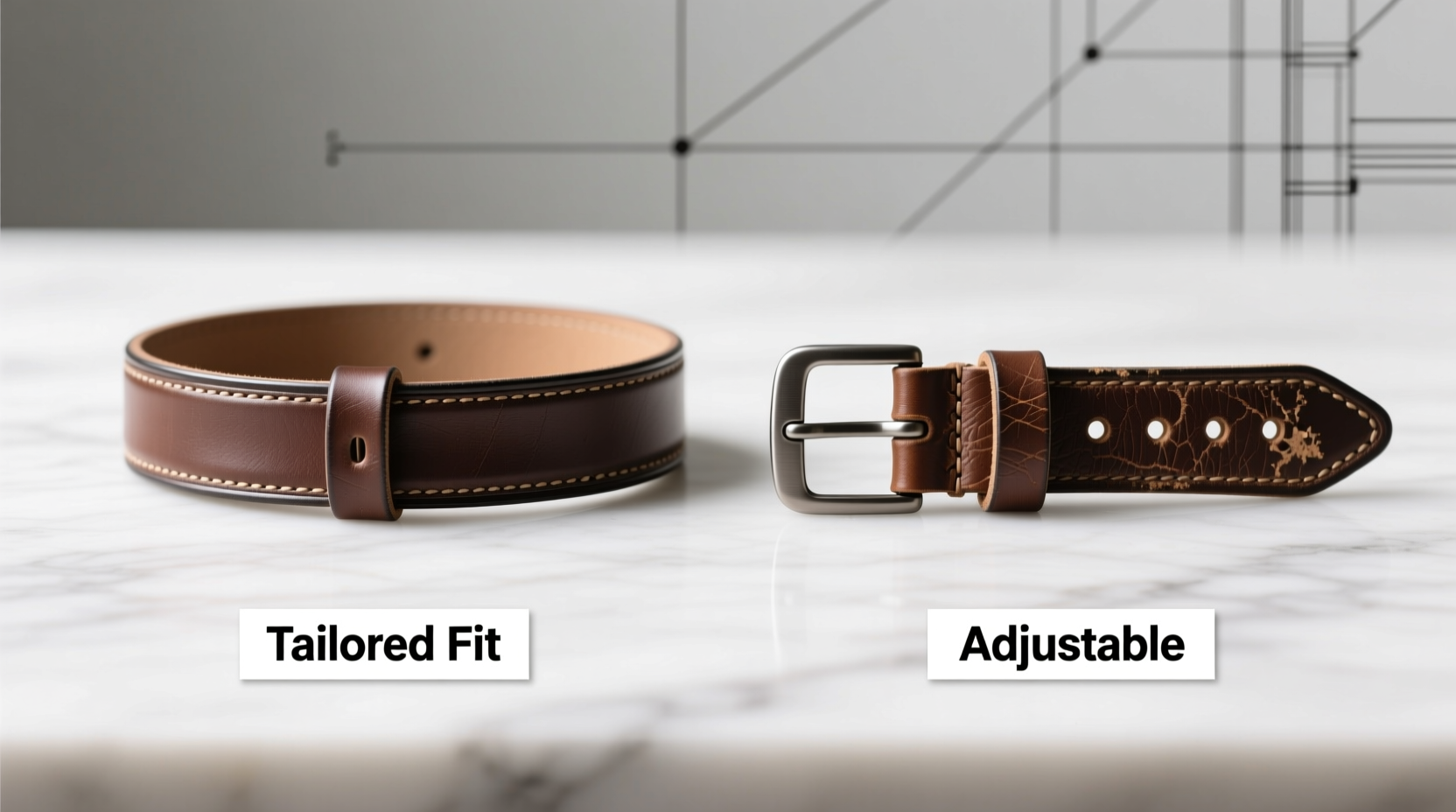
Fundamentally, a strap’s job is to distribute weight, minimize slippage, and prevent pressure points. A poorly fitted strap can cause discomfort, chafing, or even long-term strain injuries. Whether you're hiking with a loaded backpack or wearing a fitness tracker during a marathon, consistent contact and stability are essential.
Tailored fit straps are designed specifically for an individual’s measurements. They’re often seen in premium athletic wear, medical supports, or luxury accessories. Adjustable straps, on the other hand, rely on sliders, buckles, or elastic bands to accommodate a range of users. Their strength lies in versatility, not specificity.
The core question isn't just about initial comfort—it's about sustained performance across different conditions, activities, and timeframes.
Performance Comparison: Tailored vs Adjustable
To evaluate which system performs better, consider key factors like pressure distribution, movement efficiency, and adaptability.
| Factor | Tailored Fit Strap | Adjustable Strap |
|---|---|---|
| Initial Comfort | High – Designed for exact contours | Variable – Depends on adjustment accuracy |
| Weight Distribution | Optimal – Even load across contact points | Good – Can shift under dynamic motion |
| Durability | High – Fewer moving parts, less stress | Moderate – Buckles and sliders wear over time |
| Adaptability | Low – Fixed dimensions | High – Fits multiple users or outfits |
| Maintenance | Simple – No mechanisms to jam | Higher effort – Requires cleaning of hardware |
While tailored straps win in consistency and biomechanical alignment, adjustable systems offer broader usability—especially in shared environments or when body dimensions fluctuate due to clothing layers or swelling.
Real-World Case: Trail Runners and Hydration Packs
Consider two runners using hydration packs during a 50K mountain race. Runner A uses a pack with fully adjustable straps; Runner B has a semi-custom molded harness based on a professional fitting.
At mile 10, both feel comfortable. By mile 25, Runner A adjusts the chest strap twice due to shifting and shoulder rub. The waist belt slips slightly when navigating steep descents. Runner B experiences no slippage. The straps remain flush against the torso despite sweating and breathing changes.
Post-race, Runner A reports mild chafing under the armpit. Runner B notes only fatigue, no strap-related discomfort. The difference? Precision engineering aligned with anatomical movement patterns.
This doesn’t mean adjustable straps failed—they performed adequately—but they required active management. In contrast, the tailored system operated passively and effectively throughout.
“Custom-fit systems excel where repeatability and ergonomics intersect. Once calibrated, they remove guesswork from performance gear.” — Dr. Lena Torres, Biomechanics Researcher at Alpine Sports Lab
When Adjustable Straps Shine
Despite the advantages of tailored solutions, adjustable straps dominate markets for good reason. Their value emerges in scenarios where flexibility outweighs precision.
- Shared Use: Family camping gear, rental equipment, or office ergonomic chairs benefit from universal adjustability.
- Growing Bodies: Children’s backpacks or recovery braces need room for change.
- Layered Clothing: Winter hiking requires adjusting straps over thick coats versus light base layers.
- Budget Constraints: Custom options often carry a 30–70% price premium.
Moreover, modern materials like memory foam padding and stretch-woven webbing have narrowed the comfort gap. Some hybrid designs now combine fixed anchor points with micro-adjustable sliders, offering near-tailored performance without full customization.
How to Choose: A Practical Checklist
Deciding between tailored and adjustable depends on your priorities. Use this checklist to guide your choice:
- Will this item be used daily for intense activity? → Lean toward tailored.
- Do multiple people need to use it? → Choose adjustable.
- Is your body size stable (±5 lbs)? → Tailored becomes viable.
- Do you experience pain or slippage with current gear? → Custom may resolve root cause.
- Are you willing to invest in a fitting process or professional consultation? → Yes enables tailored.
- Will usage vary by season or clothing? → Adjustable offers better adaptability.
The Cost of Customization: Is It Worth It?
Tailored fit straps typically cost more—not just in upfront price, but in time and access. You may need a specialist fitting, 3D scanning, or return iterations if the first version doesn’t align perfectly. However, longevity often offsets the investment.
A study by the Outdoor Gear Institute found that users of custom-fitted backpacks reported 44% fewer discomfort incidents and kept their packs 2.3 years longer on average than those using off-the-shelf models. That extended lifespan reduces waste and per-use cost.
Additionally, some brands now offer “semi-custom” programs: you input measurements online, and receive a pre-sized harness that fits within 90% of your ideal geometry—bridging affordability and personalization.
FAQ
Can I convert an adjustable strap into a tailored one?
Yes, in limited cases. Some users permanently tighten straps with stitching or heat-shrink tubing after finding their ideal fit. However, this sacrifices future adjustability and may void warranties. A better option is to consult manufacturers offering retrofit customization services.
Do tailored straps become obsolete if my body changes?
Potentially. Significant weight gain/loss or injury recovery may require re-evaluation. However, many tailored systems incorporate slight elasticity or modular padding to accommodate minor shifts. Always check whether the brand offers refitting or trade-in programs.
Are tailored straps only for athletes or medical use?
No. While performance and therapeutic applications are common, tailored straps are increasingly available in everyday products—custom watch bands, ergonomic laptop sleeves, and even maternity support belts. The principle applies wherever sustained comfort matters.
Conclusion: Precision Meets Purpose
The difference between a tailored fit strap and an adjustable one isn’t just about snugness—it’s about intent. If your priority is peak performance, long-term comfort, and minimizing distractions, a custom solution delivers measurable returns. But if flexibility, accessibility, and shared use matter more, adjustable remains a smart, practical standard.
Ultimately, the best choice aligns not with marketing claims, but with your lifestyle, physical demands, and how much you value consistency over convenience. As technology makes customization more accessible, the line between mass-produced and personally engineered continues to blur—giving consumers more power than ever to demand gear that truly fits.




 浙公网安备
33010002000092号
浙公网安备
33010002000092号 浙B2-20120091-4
Comments
No comments yet. Why don't you start the discussion?