
Keychains may seem like small accessories, but they speak volumes about personal style. Once purely functional, they’ve evolved into fashion statements—carrying symbolism, sentiment, and even social cues. Today, two dominant styles stand out: the soft, playful tassel and the sleek, minimalist metal keychain. But which one holds up in 2024? Are tassels finally passé, or have metal keychains become too predictable? The answer isn’t black and white—it depends on context, use case, and evolving cultural preferences.
The Rise and Fall (or Evolution) of the Tassel Keychain
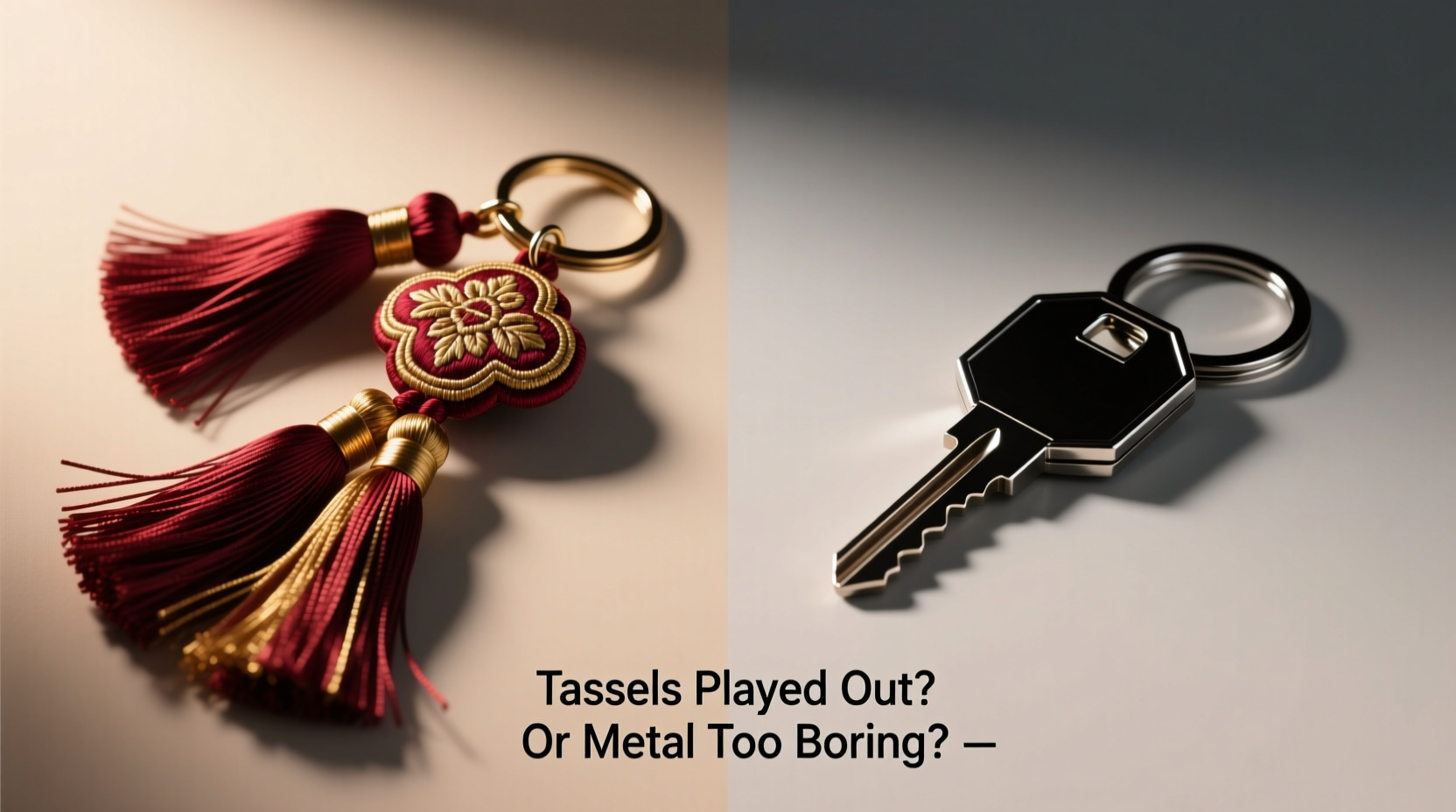
Tassel keychains surged in popularity during the early 2010s, fueled by bohemian fashion trends and the rise of lifestyle brands. Their vibrant colors, flowing threads, and artisanal appeal made them favorites among travelers, students, and those embracing a carefree aesthetic. From leather-trimmed tassels dangling off designer bags to beaded versions at music festivals, they became symbols of individuality.
However, as with any trend, overexposure led to fatigue. By the late 2010s, tassels began appearing on everything from earrings to backpacks, diluting their uniqueness. Critics argued they were impractical—easily snagged, prone to fraying, and difficult to clean. Some dismissed them as “played out,” especially in professional settings where subtlety is valued.
Yet, tassels haven’t disappeared. They’ve simply evolved. Modern iterations feature shorter strands, neutral tones, and premium materials like silk or recycled yarns. Niche markets—particularly in luxury accessories and sustainable fashion—still embrace tassels for their tactile charm and heritage craftsmanship.
The Quiet Strength of Metal Keychains
In contrast, metal keychains embody precision and permanence. Crafted from stainless steel, brass, titanium, or aluminum, they offer durability that fabric simply can’t match. Their clean lines, weighty feel, and resistance to wear make them ideal for everyday carry, especially for professionals, engineers, or anyone who values function over flair.
Design-wise, metal keychains range from engraved initials to intricate puzzle mechanisms. Brands like Mianshi, Nite Ize, and Tactical Axis have popularized modular metal systems that combine utility with minimalist design. Unlike tassels, which often serve decorative purposes, metal keychains frequently double as tools—bottle openers, hex wrenches, or even emergency glass breakers.
But critics argue that metal keychains lack personality. In a sea of brushed silver rectangles, it’s hard to stand out. They can also be noisy, clinking together in pockets or bags, and heavier than alternatives—a minor but real inconvenience.
“Metal keychains represent a shift toward intentional design. People aren’t just carrying keys—they’re curating tools.” — Daniel Reeves, Industrial Designer & Founder of Keyforge Studio
Comparing Tassel vs Metal: A Practical Breakdown
| Feature | Tassel Keychains | Metal Keychains |
|---|---|---|
| Durability | Low to moderate; susceptible to fraying, moisture damage | High; resistant to weather, impact, and corrosion |
| Style Flexibility | High; wide range of colors, textures, and cultural influences | Moderate; limited to finishes (matte, polished, brushed) |
| Functionality | Mostly decorative | Often multifunctional (tools, bottle openers, etc.) |
| Weight | Light | Heavy to moderate |
| Lifespan | 6 months to 2 years (depending on use) | 5+ years with proper care |
| Social Perception | Creative, expressive, sometimes seen as trendy | Professional, serious, occasionally labeled “boring” |
When to Choose Which: A Decision Framework
Selecting between tassel and metal isn’t just about preference—it’s about purpose. Here’s a step-by-step guide to help you decide based on your lifestyle:
- Assess Your Daily Environment: Do you work in a corporate office, creative studio, or outdoor field? Metal suits formal or technical environments; tassels thrive in casual, artistic spaces.
- Evaluate Usage Frequency: If you’re constantly juggling keys, a lightweight tassel might fray quickly. For heavy daily use, metal’s resilience wins.
- Consider Emotional Value: Is this keychain a gift, souvenir, or sentimental item? Tassels often carry more emotional resonance due to their handmade nature.
- Think About Noise and Bulk: Metal can be loud when keys rattle. If quiet discretion matters (e.g., meetings), a soft tassel is less intrusive.
- Match to Your Wardrobe Aesthetic: Minimalist outfits pair well with sleek metal. Boho, streetwear, or colorful styles benefit from tassel accents.
Mini Case Study: Sarah’s Switch from Tassel to Metal
Sarah, a graphic designer in Portland, once collected tassel keychains from her travels—each representing a city she’d visited. Her keys were a rainbow of threads, beloved by friends. But after starting a remote job that required frequent bike commutes, the tassels began to unravel from friction against her bag. One rainy week, a soaked tassel stained her notebook. She switched to a compact titanium keychain with a built-in bottle opener. At first, she missed the color—but soon appreciated its silence, durability, and how it matched her new analog watch and EDC gear. “It’s not flashy,” she says, “but it feels intentional.”
Are Tassels Played Out?
Not entirely—but their role has shifted. Tassels are no longer the default accessory for every handbag or keyring. Instead, they’ve found a niche among those who value texture, tradition, and tactile beauty. High-end fashion houses still use tassels on luxury luggage tags and seasonal collections, signaling that when done thoughtfully, they remain relevant.
The issue isn’t the tassel itself, but how it’s used. Overly long, brightly colored tassels on mass-produced items do feel dated. But a short, navy-blue silk tassel with gold threading? That reads as refined, not retro.
Are Metal Keychains Too Boring?
Boring is subjective. What some see as dull, others view as disciplined. The rise of “quiet luxury” and stealth wealth aesthetics has elevated simple metal accessories to status symbols. Think of Apple’s titanium Vision Pro band or Rolex’s Oysterbracelet—minimalism often signals confidence.
That said, not all metal keychains are created equal. A generic, unbranded rectangle from a gas station might indeed be forgettable. But custom-engraved pieces, those with hidden magnets, or ones crafted from aerospace-grade alloys offer subtle sophistication. The key is intentionality.
Checklist: Choosing the Right Keychain for You
- ☐ Define your primary use: daily carry, travel, gift, or fashion accent?
- ☐ Consider weight and noise tolerance
- ☐ Match material to your lifestyle (active, office-based, creative)
- ☐ Decide whether functionality or aesthetics matter more
- ☐ Look for quality craftsmanship, not just brand names
- ☐ Test the attachment mechanism—does it stay secure?
Frequently Asked Questions
Can I mix tassel and metal keychains?
Absolutely. Many people combine both—a metal organizer holds essential keys, while a small tassel adds color or sentimental value. Just ensure the tassel doesn’t interfere with access.
How do I clean a fabric tassel keychain?
Spot-clean with a damp cloth and mild soap. Avoid soaking. Let air dry completely before reattaching. For delicate fibers, use a fabric refresher spray.
Do metal keychains damage car paint or phone screens?
Possibly. Uncoated metal edges can scratch surfaces. To prevent this, choose models with rubberized edges or store keys in a pouch when carried with electronics.
Conclusion: It’s Not Either/Or—It’s Both/And
The debate between tassel and metal keychains reflects a larger tension in personal style: expression versus efficiency, whimsy versus practicality. But why choose? The most thoughtful wardrobes—and lives—balance both. Keep a durable metal keychain for workdays and gym bags, and reserve a vibrant tassel for weekends, gifts, or moments when you want to feel a little more alive.
Accessories evolve, but their purpose remains constant: to reflect who we are and how we move through the world. Whether you lean toward soft threads or cold steel, what matters is that your keychain feels like an extension of you—not a trend you’re chasing.




 浙公网安备
33010002000092号
浙公网安备
33010002000092号 浙B2-20120091-4
Comments
No comments yet. Why don't you start the discussion?