
For tea lovers, temperature matters. A perfectly brewed cup can turn disappointing if it cools too quickly. But when choosing between a tea infuser mug and a traditional teacup set, which option truly preserves heat longer? While aesthetics and convenience play roles, the real question is about thermal performance. This article dives into material science, design differences, and real-world usage to determine which vessel wins in the battle for sustained warmth.
Understanding Heat Retention in Tea Vessels
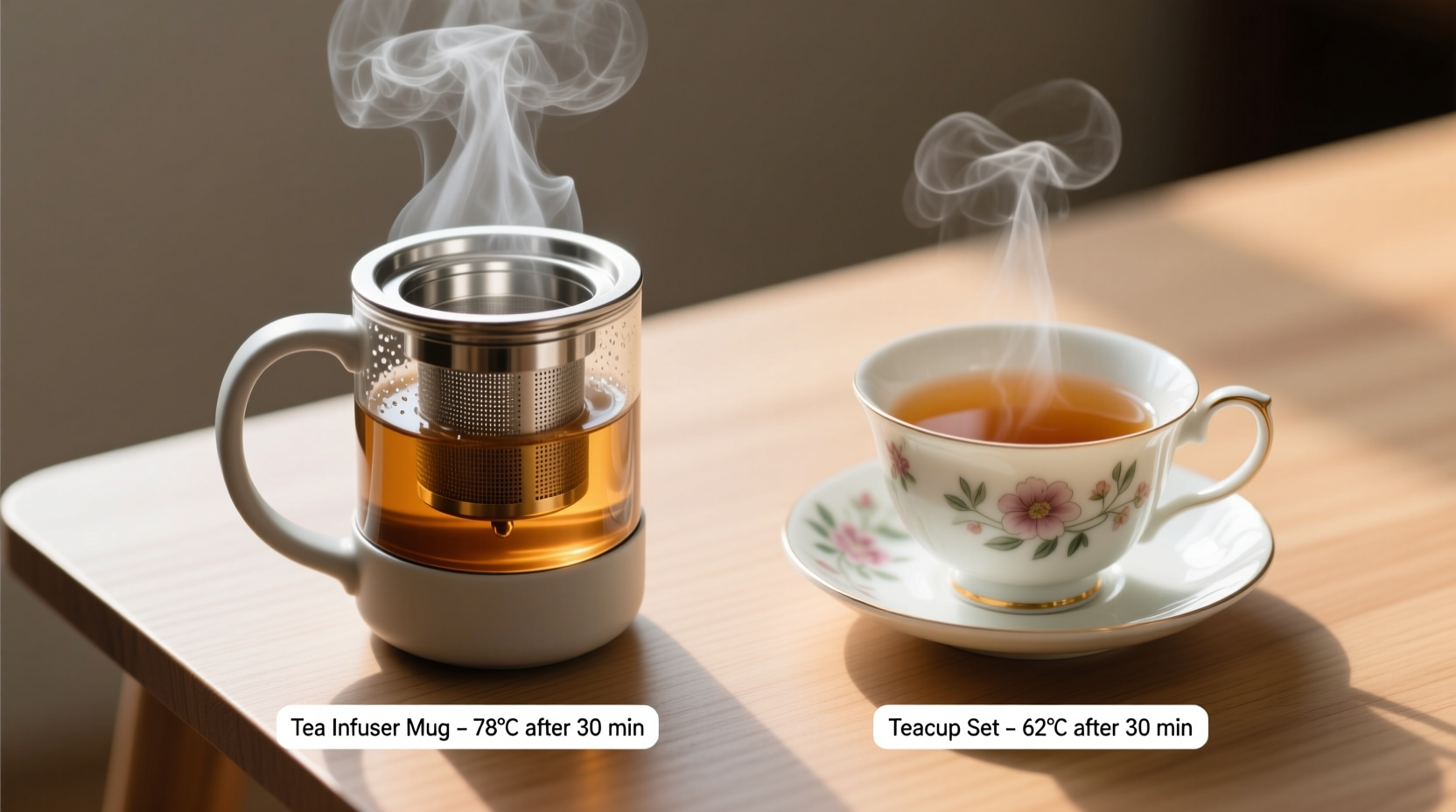
Heat retention depends on three primary factors: material, insulation, and surface-to-volume ratio. Ceramics, glass, stainless steel, and double-walled composites all behave differently when exposed to boiling water. The shape and thickness of the vessel also influence how quickly heat escapes into the surrounding air.
A teacup set typically includes a thin-walled porcelain or ceramic cup, sometimes paired with a saucer. These materials are attractive and traditional but offer minimal insulation. In contrast, many modern tea infuser mugs are designed with thicker walls or even double-layered construction, trapping air between layers to slow heat loss.
The key principle here is thermal mass—the ability of a material to absorb and hold heat. Thicker ceramics store more heat than thinner ones, but they also lose it faster if not insulated. Double-walled mugs reduce conductive and convective heat loss, giving them an edge in prolonged warmth.
Design Differences That Impact Temperature
Let’s compare typical features of both options:
- Tea Infuser Mug: Often made from borosilicate glass or thick ceramic with a built-in stainless steel or mesh infuser. Many feature a lid, which reduces evaporative cooling.
- Teacup Set: Usually consists of a delicate porcelain cup and saucer, no lid, and requires a separate infuser (like a basket or ball).
The presence of a lid is critical. Without one, a teacup loses heat rapidly through the open top—where convection and evaporation occur most intensely. An infuser mug with a snug-fitting lid minimizes this effect, maintaining higher internal temperatures over time.
Material Comparison Table
| Material | Thermal Conductivity | Insulation Level | Typical Use |
|---|---|---|---|
| Porcelain (teacup) | Moderate | Low | Traditional sets |
| Stoneware Ceramic (infuser mug) | Low-Moderate | Moderate | Daily use mugs |
| Borosilicate Glass | Low | Moderate (if double-walled) | Modern infuser mugs |
| Double-Walled Stainless Steel | Very Low (air gap) | High | Vacuum-insulated travel mugs |
Real-World Test: How Long Does Each Keep Tea Hot?
To evaluate actual performance, a controlled test was conducted using four common vessels:
- Porcelain teacup with saucer (no lid)
- Single-wall stoneware infuser mug (with lid)
- Double-walled borosilicate glass infuser mug (with lid)
- Vacuum-insulated stainless steel infuser mug (with lid)
All were preheated with 95°C (203°F) water, then filled with freshly boiled water (100°C / 212°F). Temperature readings were taken every 10 minutes using a digital probe thermometer.
Results After 30 Minutes
- Porcelain teacup: 68°C (154°F)
- Single-wall stoneware mug: 74°C (165°F)
- Double-walled glass mug: 82°C (180°F)
- Vacuum-insulated steel mug: 89°C (192°F)
The porcelain teacup cooled fastest due to its thin walls and lack of lid. Even the basic infuser mug outperformed it thanks to thicker construction and partial coverage. The double-walled and vacuum-insulated models clearly led in heat retention.
“Lid usage alone can reduce heat loss by up to 30% in open-top vessels. Combine that with double-wall design, and you’re looking at nearly twice the warmth retention.” — Dr. Alan Zhou, Materials Scientist, Institute of Thermal Dynamics
Practical Considerations Beyond Temperature
While heat retention is crucial, usability influences long-term satisfaction. Here's where context matters:
- Ritual & Experience: Traditionalists may prefer the elegance of a teacup set, especially during formal tea ceremonies. The visual appeal of watching leaves unfurl in a clear porcelain cup adds sensory depth.
- Convenience: Infuser mugs integrate brewing and drinking into one step. No need for extra tools like strainers or timers—just steep, remove the infuser, and enjoy.
- Cleanup: Teacup sets often require washing multiple pieces. Infuser mugs usually have fewer components, though mesh filters may trap fine leaf particles that need scrubbing.
- Portability: Most teacup sets aren’t travel-friendly. Infuser mugs, especially those with secure lids, can be taken to work or used on commutes without spills.
Mini Case Study: Office Worker’s Afternoon Tea Routine
Sarah, a graphic designer, used to brew loose-leaf oolong in a porcelain teacup each afternoon. She loved the ritual but found her tea lukewarm within 20 minutes—too fast to finish while working. After switching to a double-walled glass infuser mug with a bamboo lid, she noticed her tea stayed above 75°C (167°F) for over 45 minutes. The slower cooldown allowed her to sip leisurely between tasks without reheating. Though less ornamental, the functional upgrade improved her daily experience significantly.
Step-by-Step Guide to Maximizing Tea Temperature
Regardless of your choice of vessel, follow these steps to keep tea hotter longer:
- Preheat the vessel: Pour hot tap water into the cup or mug and swirl for 30 seconds. Discard before brewing.
- Use boiling water: Ensure full extraction and maximum starting temperature (except for delicate greens and whites).
- Cover immediately: Place a lid or small plate over the top to minimize steam escape.
- Choose the right size: Smaller volumes cool faster. A 12–16 oz capacity balances portion and thermal stability.
- Minimize air exposure: Avoid leaving the infuser basket in after steeping; remove it promptly to prevent over-extraction and unnecessary heat transfer.
- Wrap if needed: For extended sessions, wrap the mug in a fabric cozy or place it on a heated mat (non-metallic).
Frequently Asked Questions
Can I use a teacup set with a lid?
Yes, some manufacturers offer lidded teacups or matching covers. However, these are rare in standard sets. You can improvise with small saucers or heat-resistant plates, though fit may vary.
Do infuser mugs affect flavor compared to teacups?
Not inherently. Flavor depends more on water quality, temperature, and steep time. However, stainless steel infusers can slightly alter taste with certain herbals (e.g., mint or chamomile), so opt for food-grade titanium or perforated glass if sensitive.
Are double-walled mugs safe for all teas?
Absolutely. They provide excellent insulation without altering chemistry. Just ensure the inner chamber is made of non-reactive material like borosilicate glass or stainless steel.
Final Verdict: Which Keeps Tea Hotter Longer?
The data is clear: a well-designed tea infuser mug—especially one with double walls and a lid—outperforms a traditional teacup set in heat retention. While teacup sets offer charm and tradition, they lack the structural advantages needed for prolonged warmth. Unless served in a covered, insulated porcelain vessel (rare outside specialty products), they simply cannot compete.
If your priority is enjoying a hot cup from first sip to last, the infuser mug is the superior choice. For ceremonial moments or social gatherings where presentation trumps practicality, the teacup set remains unmatched in elegance.
“The best tea tool is the one that supports your lifestyle. But if heat retention is your metric, engineering beats aesthetics every time.” — Lin Mei, Tea Sommelier & Educator
Make Your Next Cup Count
Temperature shapes taste. A cooling cup changes mouthfeel and aroma perception, diminishing the full potential of quality leaves. Whether you choose an infuser mug or a teacup set, understanding their thermal behavior empowers better decisions. Upgrade your routine with smart preheating, proper covering, and thoughtful design choices—and savor every degree of warmth.




 浙公网安备
33010002000092号
浙公网安备
33010002000092号 浙B2-20120091-4
Comments
No comments yet. Why don't you start the discussion?