
In the quiet corners of living rooms and dining spaces, the humble tissue box sits unassumingly on tea tables—functional, disposable, and often overlooked. Yet, for many, its appearance matters. Enter the tissue box cover: a decorative accessory designed to elevate the look of an everyday object. But is it genuinely useful, or is it simply another piece of household clutter disguised as decor? The debate between using a plain tissue box versus investing in a cover goes beyond aesthetics. It touches on practicality, hygiene, sustainability, and personal taste.
The Role of the Tea Table Tissue Box
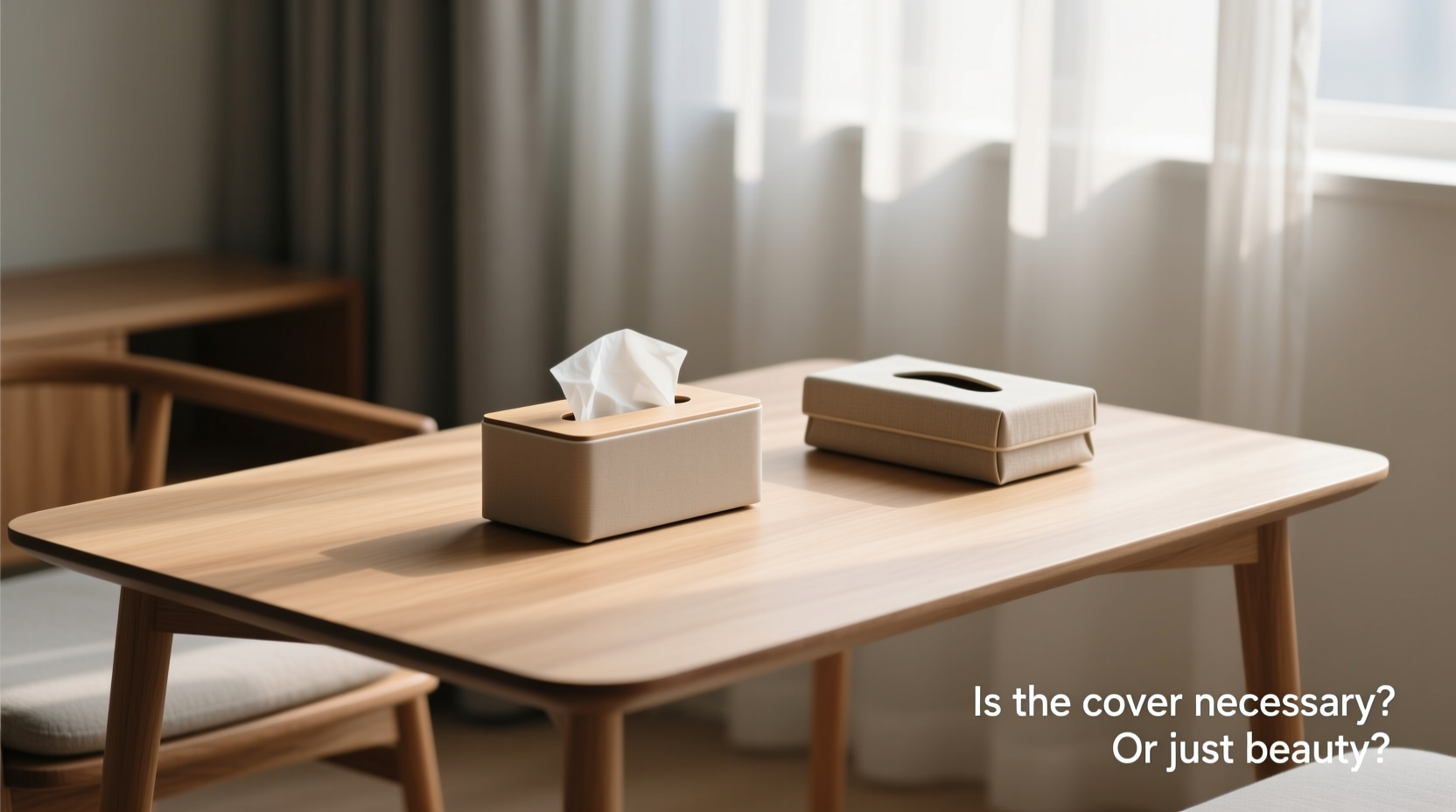
The tissue box on a tea table serves a clear purpose: accessibility. Whether hosting guests, enjoying afternoon tea, or managing a sneeze during movie night, having tissues within arm’s reach is both convenient and considerate. Standard tissue boxes are engineered for function—easy to open, dispense cleanly, and replace quickly. Most come in neutral or subtly patterned packaging that blends into home environments without demanding attention.
However, not all tissue box designs are created equal. Some feature loud branding, garish colors, or outdated graphics that clash with modern interiors. In homes where design cohesion matters, a plain cardboard box can feel like a visual disruption—like a coffee stain on a white linen tablecloth.
What Is a Tissue Box Cover—And Why Do People Use One?
A tissue box cover is a protective sleeve or enclosure, typically made from fabric, wood, ceramic, or metal, designed to conceal a standard tissue box while adding aesthetic value. These covers range from simple cloth wraps to hand-carved wooden boxes with built-in dispensers. They’re marketed as solutions for homeowners who want functionality without sacrificing style.
Proponents argue that a well-chosen cover can:
- Enhance room decor by matching existing color schemes or textures
- Protect tissues from dust, spills, or curious pets
- Act as a conversation piece or artisan accent
- Extend the life of the tissue box by reducing exposure to humidity
Interior designers often recommend them in formal living areas or guest rooms, where every detail contributes to a curated atmosphere. As designer Mara Linley notes:
“Small details define a space. A thoughtfully covered tissue box shows intentionality—it says you care about comfort and coherence.” — Mara Linley, Interior Stylist
Comparing Functionality: Cover vs. No Cover
While aesthetics play a major role, functionality cannot be ignored. Let’s break down the core differences between using a bare tissue box and one hidden inside a cover.
| Feature | Tissue Box (No Cover) | Tissue Box Cover |
|---|---|---|
| Accessibility | Immediate; no barriers to pulling tissues | Depends on design—some covers restrict easy access |
| Durability | Paper box prone to tearing or moisture damage | Protects contents; especially useful in humid climates |
| Cleaning & Maintenance | Replace when dirty; no upkeep needed | Fabric covers require washing; wood/metal need wiping |
| Cost | Included with tissues (~$2–$4 per box) | $10–$50+, depending on material and craftsmanship |
| Replacement Speed | Swap new box in seconds | Requires removing old box, inserting new one into cover |
| Visual Appeal | Varies—can be bland or distracting | Can enhance decor if well-matched to room style |
The data suggests a trade-off: convenience versus refinement. For high-traffic areas like family rooms or kids’ play zones, simplicity wins. But in formal lounges or minimalist apartments, a cover may justify its presence through visual harmony.
Real-Life Scenario: Two Homes, Two Choices
Consider two households. In one, the Chen family lives in a bustling suburban home with three children and frequent weekend guests. Their tea table sees heavy use. They keep a large, economy-sized tissue box openly displayed. When someone needs a tissue, they grab it instantly. Refills happen weekly. There’s no time for fuss—function rules.
In contrast, the Rivera couple lives in a downtown loft with a carefully curated mid-century modern aesthetic. Every item has a place and a purpose. Their tissue box is hidden beneath a walnut wood cover with a sleek slit dispenser. Guests compliment the thoughtful detail. But when caught off guard by a sudden sneeze, one visitor fumbled briefly, unsure how to extract the tissue smoothly.
This mini case study illustrates a key insight: context determines necessity. In fast-paced, utilitarian spaces, covers add friction. In intentional, design-forward environments, they contribute to ambiance—if designed well.
When a Cover Makes Sense (And When It Doesn’t)
Not all spaces benefit equally from a tissue box cover. Here’s a checklist to help decide whether one belongs in your home:
- ✅ Do you prioritize interior design cohesion?
- ✅ Is the tea table in a formal or guest-facing area?
- ✅ Are your current tissue boxes visually jarring?
- ✅ Do you live in a dusty or humid environment?
- ✅ Are you willing to spend extra time replacing tissues?
If most answers are “yes,” a cover could be worthwhile. If not, it may become unused décor—a dust collector rather than a functional aid.
Step-by-Step: How to Choose the Right Cover (If You Decide to Use One)
- Measure your tissue box – Standard dimensions are approximately 5\" x 3\" x 5\", but vary by brand.
- Assess your room’s style – Match materials: linen for cozy spaces, ceramic for traditional, metal or acrylic for contemporary.
- Check dispensing mechanism – Look for a top slot wide enough for easy pulling, but narrow enough to prevent tissues from falling out.
- Test accessibility – Ensure users can pull one tissue at a time without tugging too hard.
- Evaluate maintenance needs – Fabric covers should be machine-washable; wood should resist warping.
Frequently Asked Questions
Do tissue box covers affect hygiene?
They can improve hygiene by shielding tissues from airborne dust, pet hair, or kitchen splatter. However, if the cover itself isn’t cleaned regularly, it can harbor bacteria—especially fabric types near food areas. Regular wiping or laundering is essential.
Are there eco-friendly tissue box cover options?
Yes. Many artisans now create covers from upcycled fabrics, reclaimed wood, or biodegradable materials. Pairing a sustainable cover with recycled-content tissues enhances environmental responsibility.
Can I make my own tissue box cover?
Absolutely. DIY versions using scrap fabric and elastic are popular among crafters. Templates are widely available online, and customization allows perfect color matching to your space.
Conclusion: Necessity or Clutter? The Final Verdict
The question isn’t whether tissue box covers are universally necessary—it’s whether they serve *your* space meaningfully. In environments where speed and simplicity reign, a plain tissue box remains the smarter choice. In settings where design, protection, and presentation matter, a well-designed cover can be both functional and beautiful.
The danger lies not in owning a cover, but in treating it as obligatory decor. Like any accessory, it should earn its place. Ask yourself: does this improve my experience, or merely occupy space? If it simplifies, protects, or delights—keep it. If it complicates, collects dust, or frustrates—let it go.




 浙公网安备
33010002000092号
浙公网安备
33010002000092号 浙B2-20120091-4
Comments
No comments yet. Why don't you start the discussion?