
Social media has become a central part of teenage life. From Instagram and TikTok to Snapchat and YouTube, platforms offer entertainment, connection, and identity expression. But for many teens, the line between healthy use and compulsive behavior is blurring. Social media addiction among adolescents is rising—and with it, concerns about mental health, sleep disruption, academic performance, and self-esteem. Understanding why this happens and knowing how to respond is essential for parents, educators, and teens themselves.
The Psychology Behind Teen Social Media Use
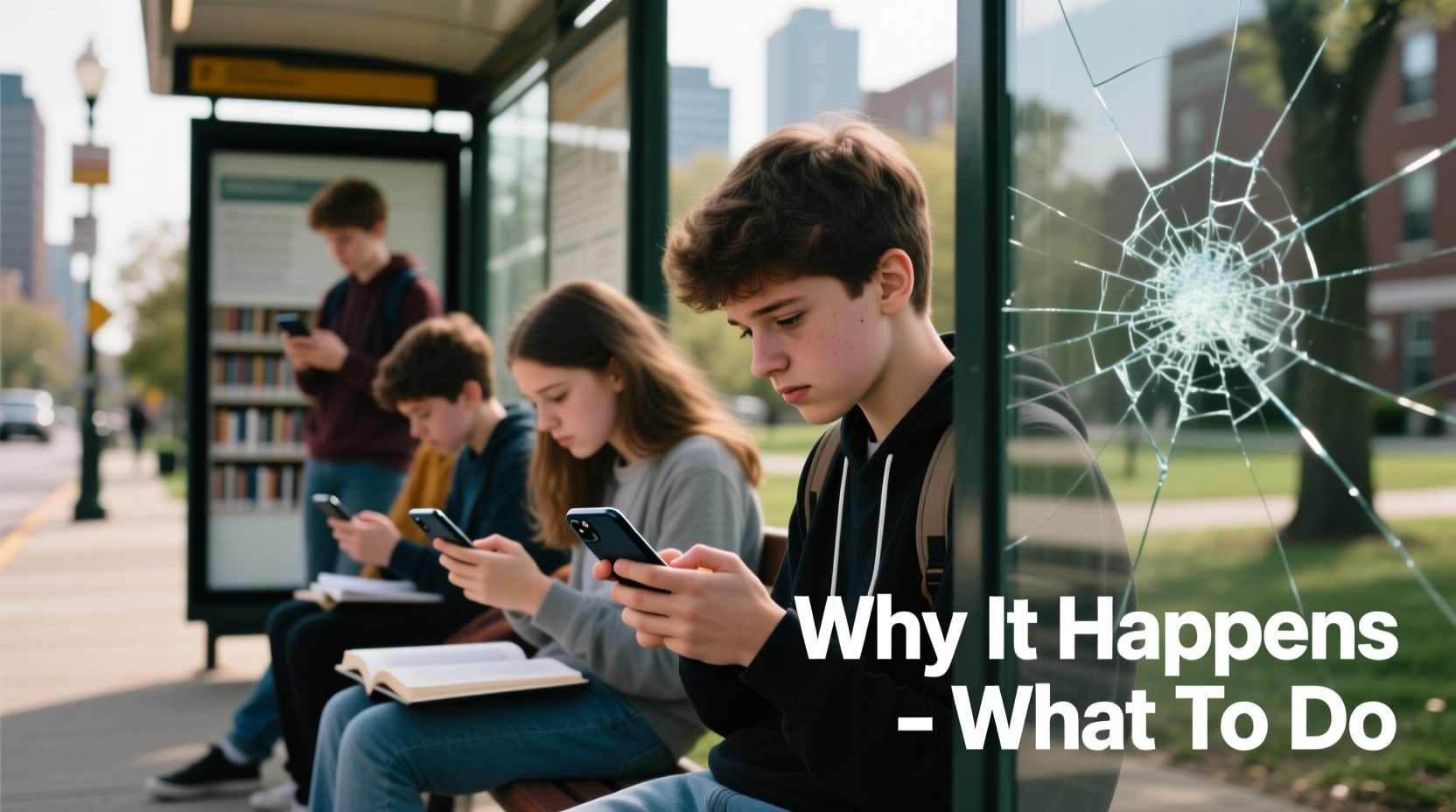
Adolescence is a developmental stage marked by intense emotional growth, identity formation, and a heightened need for peer approval. Social media taps directly into these psychological drivers. Every like, comment, or share triggers a dopamine release in the brain—the same neurotransmitter associated with pleasure and reward. This creates a feedback loop that encourages repeated checking and scrolling.
Teens are particularly vulnerable because their prefrontal cortex—the area responsible for impulse control and decision-making—is still developing. This makes it harder to resist immediate rewards, even when they know long-term consequences may be negative. The fear of missing out (FOMO) amplifies this cycle, pushing teens to stay constantly connected.
Why Teens Become Addicted: Key Factors
Several interrelated factors contribute to social media overuse and dependency:
- Dopamine-driven design: Platforms are engineered to maximize engagement through infinite scroll, autoplay videos, and unpredictable rewards (e.g., sudden viral post).
- Social validation: Likes and comments serve as digital approval, which teens equate with self-worth.
- Boredom and escapism: During stressful times—such as academic pressure or family conflict—social media offers an easy escape.
- Lack of boundaries: Many teens have unrestricted access to devices, especially at night, leading to prolonged use.
- Peer normalization: When everyone is online all the time, disengaging feels socially risky.
“Social media doesn’t create addiction overnight, but its design exploits adolescent psychology in ways we’re only beginning to understand.” — Dr. Sarah Lin, Adolescent Behavioral Psychologist
Recognizing the Signs of Addiction
Addiction isn’t always obvious. It doesn’t require substance use—behavioral addictions like social media overuse follow similar patterns: cravings, withdrawal, tolerance, and continued use despite harm.
Common warning signs include:
- Spending more than 4–5 hours daily on social apps, often unintentionally
- Feeling anxious, irritable, or restless when unable to check accounts
- Neglecting homework, chores, or face-to-face relationships
- Frequently using devices during meals, in class, or late at night
- Defensiveness when questioned about usage
- Using social media to cope with sadness, loneliness, or stress
Do’s and Don’ts: Responding to Problematic Use
| Do’s | Don’ts |
|---|---|
| Have open, non-judgmental conversations about usage | Shame or punish the teen for being online |
| Set consistent screen-time limits together | Enforce rules without explanation or collaboration |
| Model healthy digital habits yourself | Ignore your own phone use while demanding change from your teen |
| Encourage offline hobbies and activities | Remove access abruptly without offering alternatives |
| Use built-in app timers and parental controls wisely | Assume technology is inherently bad or evil |
What Parents and Teens Can Do: A Step-by-Step Guide
Reversing addictive behaviors takes time, patience, and consistency. Here’s a realistic, phased approach:
- Track current usage: Use screen time reports (iOS Screen Time or Android Digital Wellbeing) to show actual data. Awareness is the first step toward change.
- Set shared goals: Sit down together and agree on reasonable limits. For example: “No phones during dinner” or “Social media ends by 9:30 PM.”
- Create tech-free zones: Designate areas like bedrooms or dining rooms as device-free spaces to encourage presence and reduce nighttime use.
- Introduce alternative routines: Replace evening scrolling with reading, journaling, or light stretching. Habits stick better when something meaningful replaces the void.
- Encourage real-world connections: Support involvement in sports, clubs, volunteering, or creative projects where interaction isn’t mediated by screens.
- Review progress weekly: Adjust goals as needed. Celebrate small wins, like completing homework without multitasking on TikTok.
Real Example: How One Family Regained Balance
The Thompson family noticed their 15-year-old daughter, Maya, was staying up past midnight scrolling through Instagram Reels. Her grades slipped, and she became withdrawn during family time. Instead of taking her phone away, her parents initiated a calm conversation. They reviewed her screen time report together and were surprised to see she spent nearly six hours a day on social media—mostly passive consumption.
They agreed on a plan: no phones after 9 PM, charging devices outside the bedroom, and a weekend “digital detox” hike each month. They also helped Maya start a photography club at school, channeling her interest in visuals into an offline activity. Within two months, her mood improved, sleep normalized, and she reported feeling “less trapped” by her feed.
Building Resilience: Teaching Digital Literacy
Complete abstinence isn’t realistic—or necessary. The goal is mindful use. Schools and families can teach teens to think critically about social media:
- How algorithms curate content to keep them engaged
- The difference between curated online personas and real life
- How comparison affects self-esteem and body image
- Strategies to unfollow triggering accounts and mute toxic content
When teens understand the mechanics behind the platforms, they gain agency. Knowledge becomes a tool for self-regulation.
FAQ
Can social media addiction be treated like other addictions?
Yes. While not yet classified as a standalone disorder in all diagnostic manuals, behavioral addictions like problematic social media use share features with substance dependence. Cognitive-behavioral therapy (CBT), mindfulness training, and family counseling are effective treatments.
Should I monitor my teen’s accounts?
Transparency matters. Monitoring can be appropriate for younger teens, but it should be discussed openly and scaled back as trust and responsibility grow. Focus on guidance, not surveillance.
What if my teen refuses to cut back?
Resistance is common. Avoid power struggles. Instead, explore underlying reasons—loneliness, anxiety, boredom—and address those directly. Sometimes professional support from a counselor is needed.
Action Plan Checklist
Use this checklist to begin addressing social media overuse:
- ✅ Review weekly screen time reports together
- ✅ Set 2–3 clear, agreed-upon usage limits
- ✅ Establish a charging station outside bedrooms
- ✅ Schedule one screen-free family activity per week
- ✅ Identify one offline hobby or interest to explore
- ✅ Initiate a conversation about online pressures and mental health
- ✅ Model balanced tech use in your own behavior
Conclusion
Social media isn’t inherently harmful—but unchecked use can derail a teenager’s development, mental health, and daily functioning. The solution isn’t elimination, but intentionality. By understanding the psychological pull of these platforms, recognizing early signs of overuse, and implementing thoughtful strategies, families can help teens build healthier relationships with technology.
Change starts with awareness and grows through consistent, compassionate action. Whether you're a parent, educator, or teen, you have the power to reshape digital habits. Begin today—not with drastic bans, but with honest dialogue, small adjustments, and mutual support.




 浙公网安备
33010002000092号
浙公网安备
33010002000092号 浙B2-20120091-4
Comments
No comments yet. Why don't you start the discussion?