
A double side blossom bracelet is more than just an accessory—it’s a statement of elegance and personal style. With its symmetrical floral design visible from both sides, this type of bracelet offers aesthetic versatility that appeals to fashion-conscious wearers. However, even the most beautifully crafted piece can fall short if it doesn’t fit well. An ill-fitting bracelet may slip off, cause discomfort, or fail to highlight your wrist’s natural shape.
Getting the ideal fit isn’t about guessing or settling. It’s about understanding your measurements, knowing the construction of your bracelet, and applying subtle adjustments that enhance both comfort and appearance. Whether you’ve just purchased your first double side blossom bracelet or are looking to refine the fit of one you already own, this guide provides actionable insights to help you achieve a seamless, personalized fit every time.
Understanding Your Wrist Anatomy and Bracelet Fit
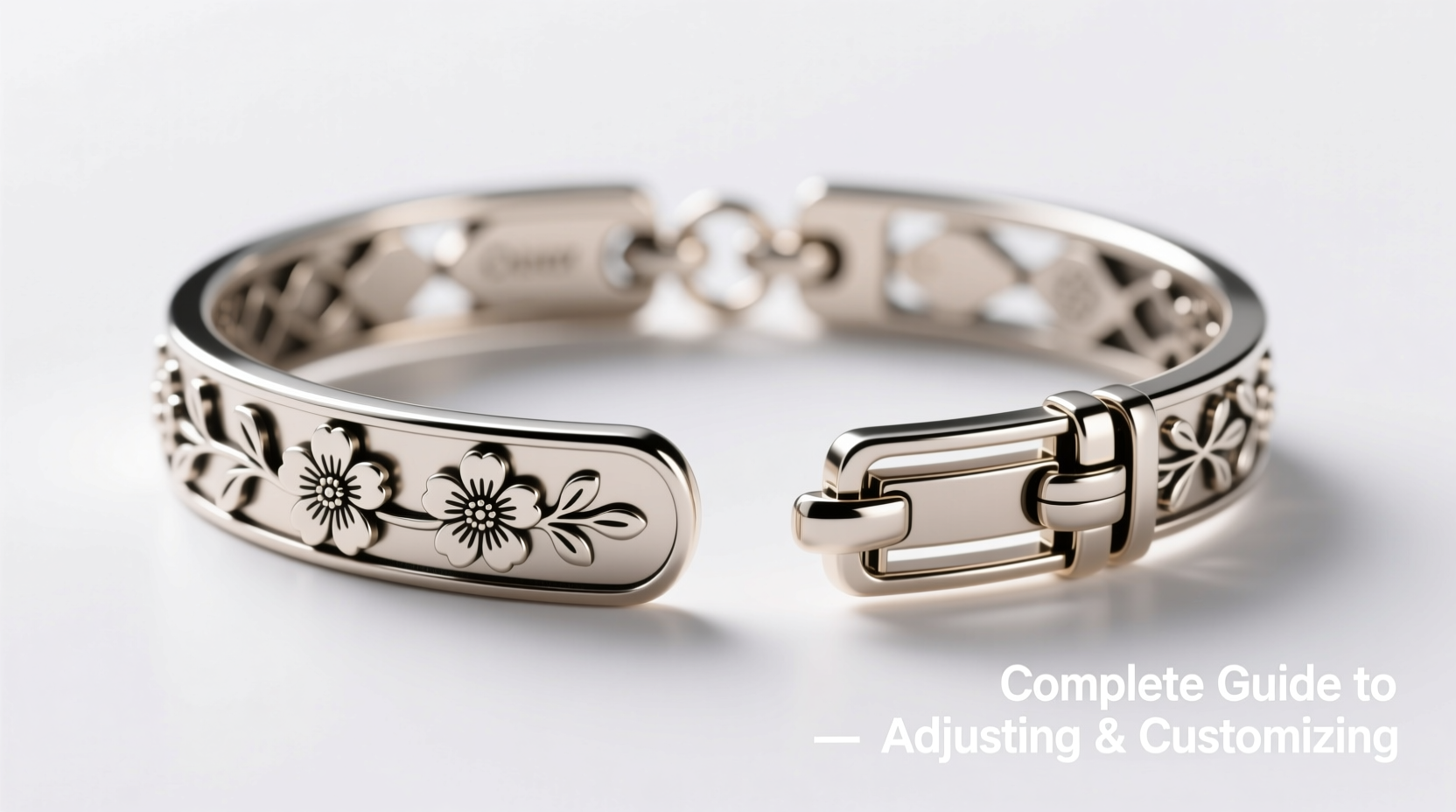
Before making any adjustments, it’s essential to understand what constitutes a “perfect fit.” Unlike rings or shoes, bracelets don’t follow standardized sizing charts due to variations in wrist structure, bone prominence, and preferred wearing style.
The average adult wrist circumference ranges from 6 to 7.5 inches (15–19 cm), but individual differences matter significantly. A snug fit should allow the bracelet to rest comfortably without pinching, while still requiring slight effort to slide over the hand. Too loose, and it risks falling off; too tight, and it can restrict circulation or leave marks on the skin.
Double side blossom bracelets often feature flexible chains or interlocking metal petals, which means they can adapt slightly to movement. However, their symmetry requires balanced tension across both sides to maintain alignment. Misalignment not only affects visual appeal but can also create pressure points.
“Fit is as important as design when it comes to fine jewelry. A well-fitted bracelet moves with the wearer, not against them.” — Lila Nguyen, Jewelry Designer & Artisan
Step-by-Step Guide to Measuring and Adjusting Length
Accurate measurement is the foundation of a proper fit. Follow these steps to determine your ideal bracelet length:
- Use a soft measuring tape or a non-stretch string to wrap around the narrowest part of your wrist, just below the wrist bone.
- Add 0.5 inches (1.3 cm) for a comfortable fit. For a looser, bangle-style feel, add up to 1 inch.
- Check knuckle width: Measure the widest part of your hand (usually across the knuckles) to ensure the bracelet can slide on and off without forcing.
- Compare with existing jewelry: If you have a well-fitting bracelet, measure its inner circumference.
Once you know your target length, locate the adjustment mechanism on your double side blossom bracelet. Most models include one of the following:
- Sliding knot system (common in woven or cord-based designs)
- Adjustable chain extender (often found in metal versions)
- Multiple clasp loops for incremental sizing
- Spring ring or toggle clasp with secondary links
Customization Techniques for Enhanced Comfort and Style
Adjusting length is only the beginning. True customization involves tailoring the bracelet to your lifestyle and aesthetic preferences.
For example, if you frequently wear watches or other stacked bracelets, consider setting your blossom bracelet slightly tighter to prevent shifting. Alternatively, if you prefer a fluid, layered look, opt for a semi-loose fit that allows gentle movement between pieces.
You can also modify visual balance. Some double side blossom bracelets allow repositioning of the central charm or rotating elements. Aligning the blossoms outward enhances visibility, while turning them inward creates a subtle, personal detail only you know is there.
| Customization Option | Benefit | Best For |
|---|---|---|
| Adjustable Extender Chain | Allows on-the-fly length changes | Varying outfits or swelling during heat |
| Interchangeable Charms | Adds personal symbolism | Gifts or milestone commemorations |
| Reversible Wear | Two styles in one | Daily versatility |
| Folding Clasp with Safety Catch | Prevents accidental loss | Active lifestyles or frequent hand use |
Real Example: Achieving the Ideal Fit for Daily Wear
Sophia, a graphic designer from Portland, purchased a sterling silver double side blossom bracelet as a self-gift after completing a major project. While she loved the design, she noticed it rotated throughout the day and occasionally caught on her sleeve.
After measuring her wrist at 6.75 inches and her knuckle span at 7.25 inches, she realized the default setting was too loose. Using the included micro-adjustment links, she shortened the bracelet by one link, bringing the total inner circumference to 7 inches. She also switched the clasp orientation so the catch faced upward, reducing snagging.
The result? The bracelet stayed aligned, didn’t spin excessively, and cleared her hand comfortably. Small changes made a significant difference in daily wearability.
Common Mistakes and How to Avoid Them
Even with good intentions, wearers often make errors that compromise fit and longevity.
- Over-tightening sliding knots: This can distort the blossom pattern and strain threads.
- Ignoring seasonal changes: Hands swell in heat and shrink in cold; consider reversible extenders.
- Using pliers without padding: When adjusting metal links, always wrap tools in cloth to avoid scratches.
- Forcing the bracelet over large knuckles: Repeated stress can weaken joints or break delicate components.
FAQ: Your Fit Questions Answered
Can I resize my double side blossom bracelet permanently?
Yes, but only if it’s made of metal and has removable links. Visit a trusted jeweler to safely add or remove sections without damaging the structural integrity or symmetry of the blossom elements.
How do I know if my bracelet is too tight?
If you experience numbness, discoloration, or indentations on your skin after removal, it’s too tight. A properly fitted bracelet should stay in place but allow two fingers to slide underneath comfortably.
Is it safe to adjust the bracelet myself?
Minor adjustments using built-in extenders or knots are safe. However, for permanent resizing involving soldering or cutting, professional assistance is strongly recommended to preserve craftsmanship and warranty.
Final Checklist Before Wearing
Before declaring your fit perfect, run through this quick checklist:
- ✅ Measured wrist and knuckle size accurately
- ✅ Ensured smooth sliding motion over the hand
- ✅ Verified that blossoms align symmetrically when worn
- ✅ Tested movement during typing, gesturing, and reaching
- ✅ Confirmed clasp security with a light tug test
- ✅ Checked for any sharp edges or pinching points
Conclusion: Make It Yours
A double side blossom bracelet deserves more than a generic fit. By taking the time to measure precisely, adjust thoughtfully, and customize intentionally, you transform it from a simple ornament into a seamless extension of your personal style. Comfort, security, and aesthetics aren’t mutually exclusive—they’re achievable with attention to detail.




 浙公网安备
33010002000092号
浙公网安备
33010002000092号 浙B2-20120091-4
Comments
No comments yet. Why don't you start the discussion?