
Moving to a new home or relocating for work means more than just packing boxes and hiring movers. One of the most critical yet often overlooked tasks is updating your mailing address. A missed bill, lost package, or delayed official document can cause financial penalties, identity risks, or administrative headaches. Whether you're moving across town or across the country, ensuring a smooth transition for your mail protects your personal information and keeps life running smoothly.
This comprehensive guide walks you through every essential step—from notifying the U.S. Postal Service to alerting banks, utilities, and subscription services—so you never miss important correspondence again.
Why Changing Your Mailing Address Matters
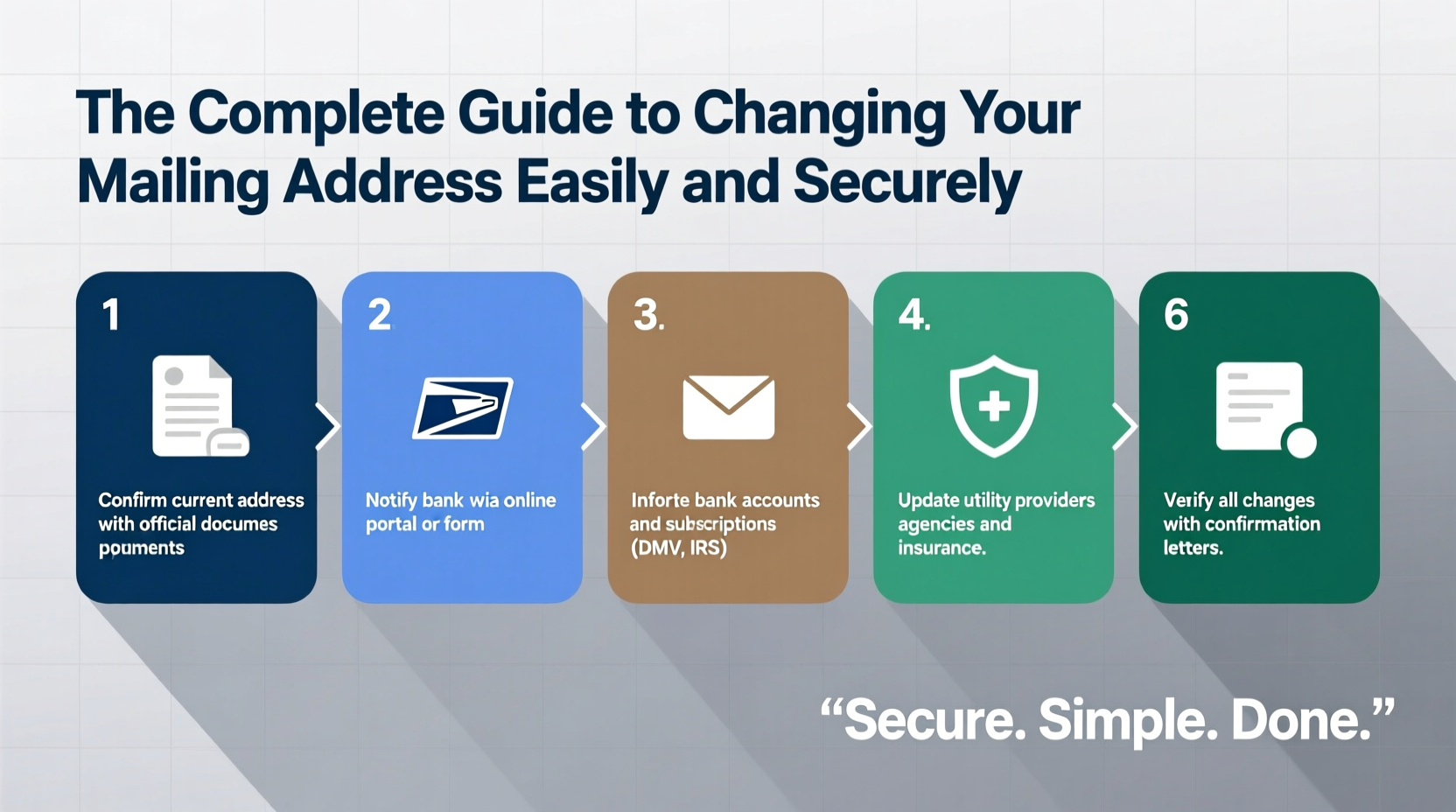
Mail isn’t just letters and catalogs. It includes bank statements, tax documents, medical records, insurance policies, and government communications. Failing to update your address increases the risk of:
- Missed payments due to undelivered bills
- Identity theft from intercepted sensitive documents
- Lapsed insurance or service interruptions
- Fines or legal notices going unnoticed
The average American receives over 700 pieces of mail annually. Without a proper forwarding system, even a short-term move can result in weeks of confusion and follow-up calls.
“Updating your address isn’t just convenience—it’s a core part of protecting your financial and personal security.” — Sarah Lin, Consumer Protection Analyst at the FTC
Step-by-Step: How to Change Your Mailing Address
Follow this timeline-based approach to ensure no detail is missed before, during, and after your move.
6–8 Weeks Before Moving
- Create a master list of all organizations that send you mail (banks, employers, subscriptions).
- Begin contacting non-USPS entities such as utility providers and digital services.
- Confirm lease or ownership details at your new residence to verify eligibility for mail forwarding.
2 Weeks Before Moving
- Submit your change of address request through the official USPS website or in person.
- Double-check spelling, ZIP codes, and dates—errors here delay delivery.
- Request mail forwarding for both personal and business addresses if applicable.
Moving Day & Immediate Aftermath
- Pick up any remaining mail at your old post office if instructed.
- Inspect your first deliveries at the new address for accuracy.
- Contact USPS immediately if packages are not being forwarded correctly.
4–6 Weeks After Moving
- Audit incoming mail: identify lingering misdirected items.
- Reach out to any holdouts—especially government agencies or healthcare providers.
- Cancel or transfer local services tied to your old address (e.g., newspaper delivery).
Essential Checklist: Who to Notify When You Move
Use this checklist to systematically update your address across key categories. Check off each item as it's completed.
Government & Legal Entities
- U.S. Postal Service (USPS)
- Internal Revenue Service (IRS)
- Department of Motor Vehicles (DMV)
- Social Security Administration
- Voter registration office
- Passport agency (if renewing soon)
Financial Institutions
- Bank accounts (checking, savings, credit unions)
- Credit card companies
- Investment firms and retirement accounts
- Loan servicers (student loans, mortgages)
- Insurance providers (auto, health, home)
Utilities & Subscriptions
- Electric, gas, water, internet, cable
- Rental streaming services (Netflix, Hulu)
- Magazines, meal kits, subscription boxes
- Gym memberships or class providers
Employers & Personal Contacts
- HR department (for payroll and benefits updates)
- Tax professionals or accountants
- Family, friends, and emergency contacts
- Doctors, dentists, pharmacies
- Children’s schools or daycare centers
Common Pitfalls and How to Avoid Them
Even careful planners make mistakes when managing an address change. The table below outlines frequent errors and how to prevent them.
| Do’s | Don’ts |
|---|---|
| Verify all contact forms allow online address updates | Assume automatic forwarding covers everything (it doesn’t) |
| Keep a physical log of who you’ve contacted and when | Wait until after moving day to start notifications |
| Update direct deposit and billing addresses separately | Reuse old envelopes or pre-printed labels post-move |
| Set up email alerts for account activity during transition | Share your change-of-address confirmation publicly online |
Real Example: A Missed Notification That Cost $150
Jamal moved from Chicago to Austin for a new job. He updated his address with USPS and his bank but forgot to inform his auto insurance provider. Two months later, he received a notice of policy cancellation due to “undeliverable renewal reminder.” Uninsured during a minor fender bender, Jamal was personally liable for repairs and faced higher premiums upon reinstatement.
After resolving the issue, he created a color-coded spreadsheet tracking every institution requiring notification. He now recommends others do the same—even for seemingly minor subscriptions.
“Just because a company doesn’t seem urgent doesn’t mean missing their mail won’t have consequences.” — Jamal Reyes, IT Consultant and Relocation Advocate
Security Tips for a Safe Address Transition
Your address is personal data. During a move, it becomes more vulnerable. Follow these practices to minimize exposure:
- Use secure connections when submitting address changes online—look for HTTPS and avoid public Wi-Fi.
- Shred documents containing your old address before disposal.
- Monitor credit reports for unauthorized accounts opened in your name.
- Freeze your credit temporarily if concerned about fraud during relocation.
- Be wary of phishing emails claiming to be from USPS or banks asking for verification details.
The USPS offers free fraud alerts and allows you to report suspicious mail redirection attempts through their Office of Inspector General.
Frequently Asked Questions
How long does USPS mail forwarding last?
Standard forwarding lasts 12 months for individuals and 60 days for businesses. You can extend residential forwarding once for an additional 6 months, provided you submit the request before the initial period ends.
Does changing my address with USPS update my DMV or IRS automatically?
No. While some states partner with USPS for limited data sharing, it’s not universal or guaranteed. Always update these agencies directly to avoid fines or processing delays.
Can I change my address online for free?
Yes, the official USPS website offers free online change-of-address forms. Beware of third-party sites that mimic the USPS interface but charge service fees. The only cost should be identity verification via credit card (used solely for validation, not billed).
Final Steps and Long-Term Maintenance
Changing your mailing address isn’t a one-day task—it’s a process spanning several weeks. Even after forwarding begins, stay vigilant. Review monthly statements, scan for unfamiliar return addresses, and respond quickly to anything out of place.
Consider setting an annual calendar reminder to audit your registered addresses across major institutions. Life changes—marriage, divorce, remote work—can necessitate future updates.




 浙公网安备
33010002000092号
浙公网安备
33010002000092号 浙B2-20120091-4
Comments
No comments yet. Why don't you start the discussion?