
For gardeners who want to extend the growing season, protect delicate plants, or grow food year-round, a custom greenhouse is more than a luxury—it’s a powerful tool. Unlike off-the-shelf models, a custom greenhouse can be tailored to your space, climate, and gardening goals. Whether you have a sprawling backyard or a compact urban plot, building a greenhouse from scratch allows full control over size, ventilation, insulation, and layout. This guide walks through every phase of planning, designing, and constructing a greenhouse that fits seamlessly into your garden ecosystem.
Assessing Your Garden’s Needs and Space
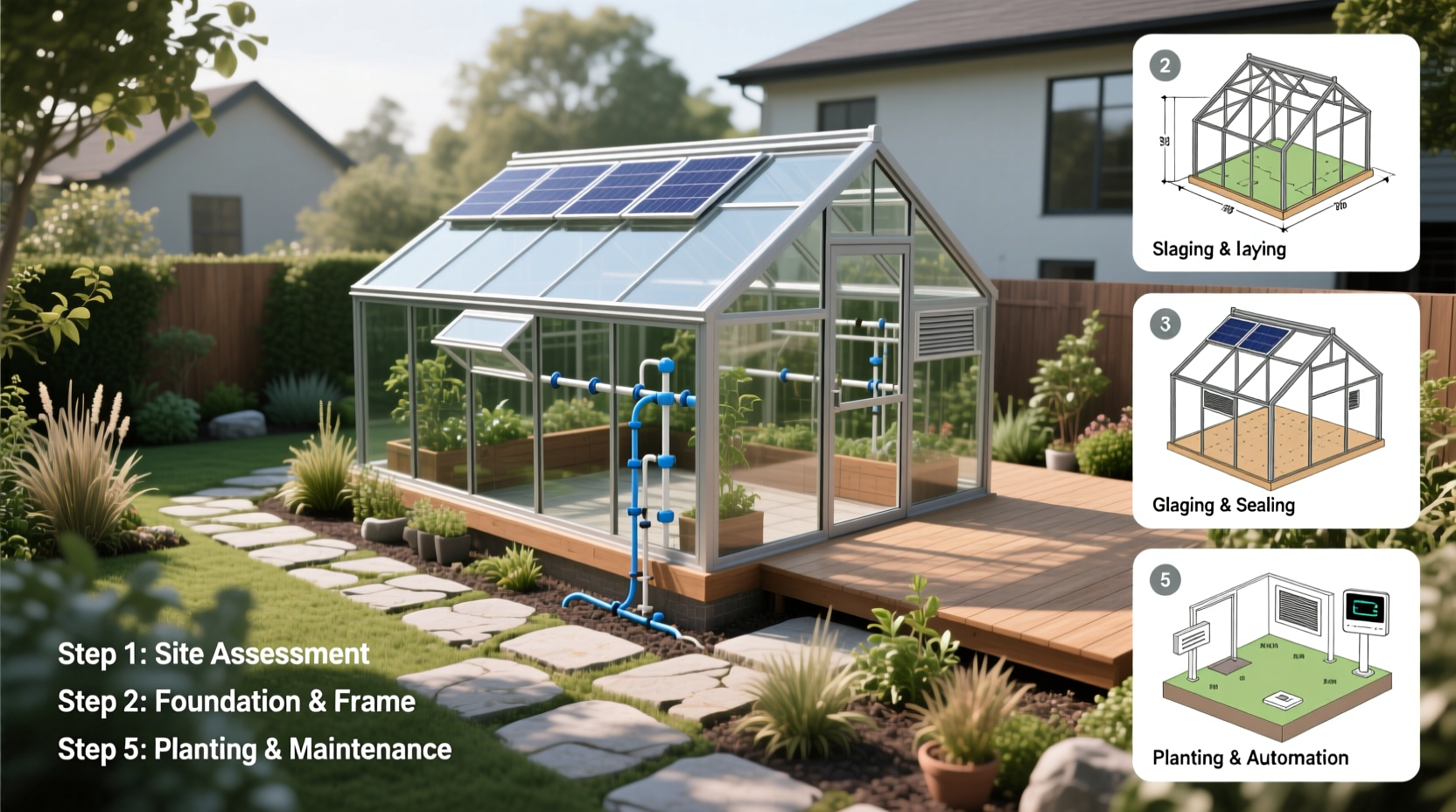
Before purchasing materials or sketching blueprints, evaluate your site’s conditions. A successful greenhouse depends on sunlight exposure, wind patterns, drainage, and proximity to utilities. Ideally, position your greenhouse where it receives at least six hours of direct sunlight daily, preferably facing south in the Northern Hemisphere to maximize winter light. Avoid placing it under trees or near large structures that cast shadows.
Consider accessibility: place the greenhouse close enough to a water source and electrical outlet if you plan to use fans, heaters, or automated systems. Also, ensure the foundation area is level and well-drained. If your soil retains water, elevate the base or install a French drain.
Choosing the Right Design and Materials
Custom greenhouses come in various styles—lean-to, freestanding, hoop house, or gable roof—each suited to different needs. Lean-tos are ideal for small yards or attachment to a south-facing wall. Freestanding units offer better airflow and expansion potential. Gable roofs provide superior headroom and snow shedding, while hoop houses are cost-effective and easy to assemble.
Frame materials affect durability and maintenance:
- Aluminum: Lightweight, rust-resistant, and low-maintenance; best for permanent installations.
- Galvanized Steel: Strong and long-lasting but may require protective coating in humid environments.
- Wood (cedar or redwood): Aesthetically pleasing and naturally rot-resistant, though more labor-intensive to maintain.
Covering options vary by insulation, clarity, and lifespan:
| Material | Lifespan | Insulation Value | Best For |
|---|---|---|---|
| Polycarbonate (double-wall) | 10–15 years | High | Cold climates, energy efficiency |
| Greenhouse Glass | 20+ years | Moderate | Permanent structures, maximum light transmission |
| Polyethylene Film | 1–4 years | Low | Budget builds, seasonal use |
“Investing in double-wall polycarbonate pays off in colder zones—it reduces heating costs by nearly 30% compared to single-layer covers.” — Dr. Linda Torres, Horticultural Engineer, University of Vermont Extension
Step-by-Step Construction Timeline
Building a custom greenhouse takes precision and patience. Follow this realistic timeline for a 8’x12’ freestanding model:
- Week 1: Finalize design, obtain permits (if required), order materials.
- Week 2: Clear and level the site; lay gravel foundation or pour concrete slab.
- Week 3: Assemble frame according to manufacturer specs or engineered plans.
- Week 4: Install glazing (panels or film), ensuring tight seals to prevent heat loss.
- Week 5: Add ventilation (roof vents, side louvers), doors, and shelving.
- Week 6: Connect water lines, install drip irrigation, and set up thermometer/hygrometer.
- Ongoing: Monitor temperature, humidity, and plant response; adjust as needed.
Essential Features for Optimal Performance
A functional greenhouse does more than trap heat—it regulates the microclimate. Key features include:
- Ventilation: At minimum, install two roof vents and one side vent to encourage cross-flow air. Motorized vents with thermostats automate airflow when temperatures rise.
- Shading: In summer, apply retractable shade cloth (30–50%) to prevent scorching. Paint-on shading compounds are another option.
- Heating: For winter growing, use electric heaters with thermostats or passive solar methods like thermal mass (barrels of water, dark stone floors).
- Irrigation: Drip systems or soaker hoses reduce evaporation and fungal risks. Pair with a rainwater collection barrel for sustainability.
- Benching and Layout: Use tiered benches made of aluminum or plastic to maximize vertical space. Leave walkways at least 18 inches wide for access.
Mini Case Study: Urban Rooftop Greenhouse in Portland
In Portland, Oregon, gardener Maya Chen converted her 10’x10’ flat rooftop into a productive winter-growing space. She built a lightweight aluminum-framed greenhouse with twin-wall polycarbonate panels, anchored securely to withstand coastal winds. By installing a small exhaust fan and solar-powered vent opener, she maintained stable temperatures even during spring cold snaps. Her system included a gravity-fed drip line from a repurposed rain barrel. Within six months, she was harvesting kale, spinach, and herbs year-round, reducing grocery costs by nearly $70 monthly.
Checklist: Building Your Custom Greenhouse
Use this checklist to stay organized and avoid common oversights:
- ☐ Determine available space and sun exposure
- ☐ Choose design type (lean-to, freestanding, etc.)
- ☐ Select frame and glazing materials based on climate
- ☐ Prepare a level, well-drained foundation
- ☐ Install frame with secure anchoring
- ☐ Seal all joints to prevent drafts
- ☐ Add automatic or manual ventilation
- ☐ Set up irrigation and monitoring tools (thermometer, hygrometer)
- ☐ Incorporate workbenches and storage
- ☐ Test system under varying weather conditions
Frequently Asked Questions
Can I build a greenhouse without a concrete foundation?
Yes. Gravel beds, treated wood skids, or concrete pavers provide stable, permeable bases suitable for most climates. However, in areas with high wind or frost heave, a concrete perimeter or anchor system is recommended for structural integrity.
How do I prevent overheating in summer?
Overheating is a common issue. Use automatic roof vents, install exhaust fans, and apply temporary shade cloth during peak sun hours. Opening doors early in the morning also helps release trapped heat.
Is a permit required for a custom greenhouse?
It depends on local zoning laws and size. Structures over 120 square feet or those connected to utilities often require permits. Check with your municipal planning department before construction begins.
Final Thoughts and Next Steps
A custom greenhouse transforms gardening from a seasonal hobby into a continuous practice. With thoughtful planning and attention to detail, you can create a resilient, efficient structure that supports seedlings in winter, shelters tomatoes in summer, and nurtures rare plants year-round. The initial investment in time and materials yields long-term returns in harvests, sustainability, and personal satisfaction.




 浙公网安备
33010002000092号
浙公网安备
33010002000092号 浙B2-20120091-4
Comments
No comments yet. Why don't you start the discussion?