
Your Facebook name is more than just a label—it’s the first thing people see when they find you online. Whether you're building a personal brand, managing professional visibility, or protecting your privacy, how you present your name on Facebook plays a critical role in shaping perception and controlling access. Yet many users overlook the strategic potential of this small but powerful detail.
Facebook enforces strict naming policies, but within those boundaries, there's room for thoughtful customization. This guide walks through the technical, legal, and strategic aspects of optimizing your Facebook name—balancing authenticity with intentionality.
Understanding Facebook’s Name Policy
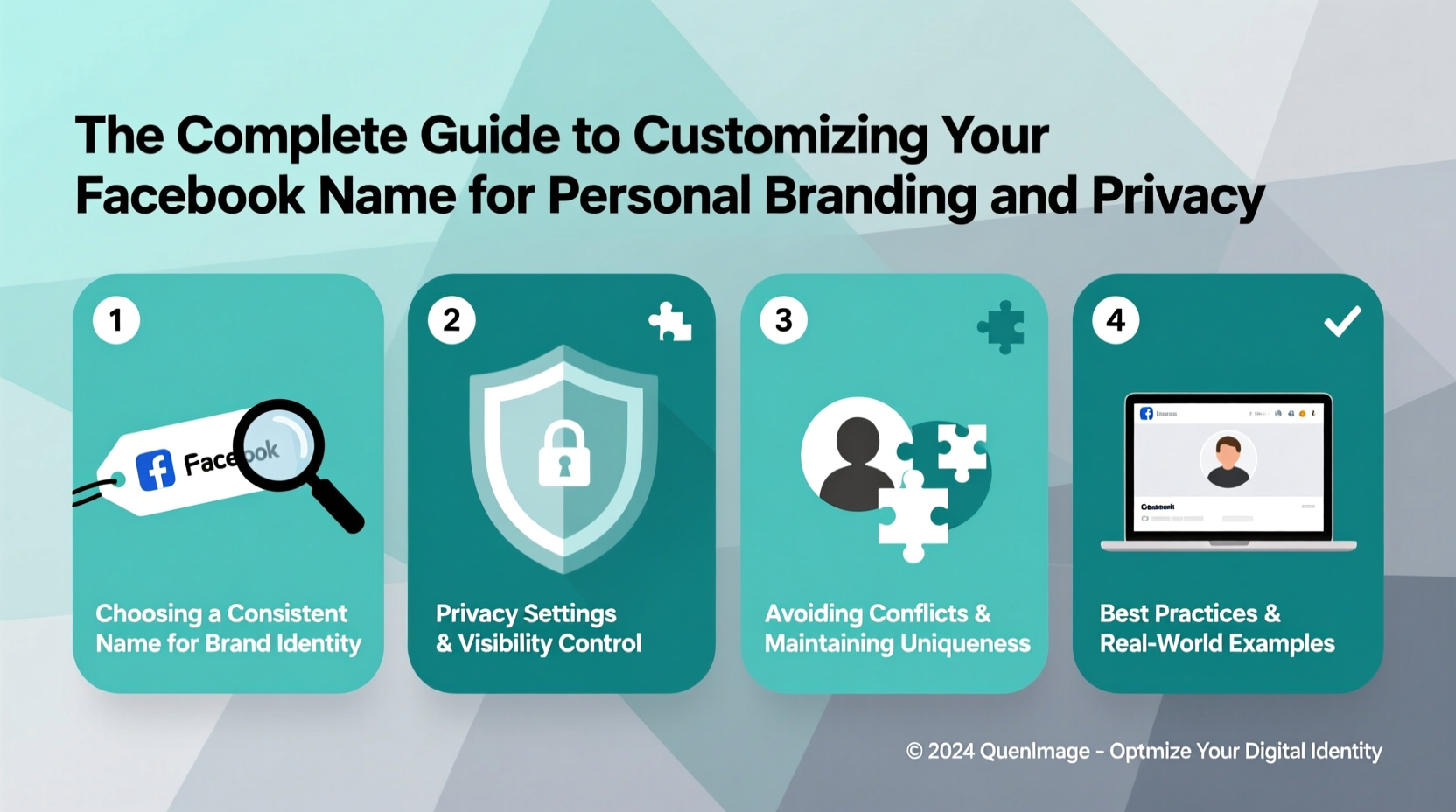
Before making any changes, it's essential to understand Facebook’s official stance on names. The platform requires users to use their “authentic identity” as it appears on government-issued documents. This policy aims to reduce impersonation and spam but can feel restrictive for individuals using stage names, brands, or aliases for safety reasons.
According to Facebook, acceptable names must:
- Be composed of characters used in everyday language (no symbols, numbers, or excessive punctuation)
- Not include titles (e.g., Dr., Mr., CEO)
- Avoid offensive or misleading words
- Reflect real-world usage
While exceptions exist—for instance, performers or public figures who legally operate under pseudonyms—most users are expected to adhere strictly to their legal names.
“Authenticity is central to trust on social platforms. But authenticity doesn’t mean rigidity—it means consistency between identity and intent.” — Lena Torres, Digital Identity Consultant
Strategic Customization Within Guidelines
You don't need to break the rules to make an impact. With careful planning, you can align your Facebook name with your personal brand while staying compliant.
Use Middle Names or Initials for Professional Clarity
If your legal name is common (e.g., John Smith), consider adding a middle name or initial to distinguish yourself. For example, “John A. Smith” may already be available even if “John Smith” isn’t. This subtle addition enhances recognition without violating policy.
Incorporate Your Profession Tactfully
You cannot add job titles directly into your name field, but you can reflect your expertise through context. Use your bio, About section, or featured posts to clarify roles like “Marketing Strategist” or “Certified Yoga Instructor.” Pairing a clean name format with strong contextual cues builds credibility naturally.
Step-by-Step Guide to Changing Your Facebook Name
Changing your name on Facebook is straightforward—but timing and frequency matter. You can only change your name once every 60 days, so plan carefully.
- Log in to your Facebook account on desktop or mobile.
- Go to your Profile, click the three dots below your cover photo, and select “Edit Profile.”
- Click your current name and choose “Edit” next to the full name field.
- Enter your new first and last name (you may also add a middle name or alternate name).
- Click Review Change and enter your password to confirm.
- Wait for approval—changes typically go live immediately unless flagged.
Note: After a name change, Facebook displays a note saying “Previously known as [old name]” for up to seven days. Friends will receive a notification about the update.
Privacy Implications of Name Customization
Your name affects discoverability. A full legal name increases the chances of being found via search engines or friend suggestions, which may compromise privacy—especially for survivors of abuse, activists, or individuals in high-risk professions.
Facebook allows limited flexibility here. While you can’t use fake names, some marginalized users have successfully appealed restrictions by submitting documentation or explaining safety concerns through their verification process.
To enhance privacy:
- Limit who can see your name change history in Settings & Privacy → Settings → Privacy → How People Find and Contact You.
- Adjust audience settings on past posts after a name change to prevent old associations from surfacing.
- Consider using a Facebook Page instead of a personal profile if public branding is needed without exposing personal details.
| Goal | Recommended Name Format | Privacy Level |
|---|---|---|
| Professional Networking | First + Last (e.g., Taylor Reed) | Moderate – visible to contacts and searchers |
| Public Branding | Stage Name (if legally recognized) | High – widely searchable |
| Personal Use Only | First + Initial (e.g., Jordan M.) | Higher – reduces exact-match searches |
| Safety/Anonymity | Legal name with restricted audience settings | Customizable – control visibility per post |
Real Example: Rebranding After a Career Shift
Sophia Kim worked in finance for ten years under her full name, Sophia Min-Ji Kim. When she transitioned into wellness coaching, she wanted her online presence to reflect her new path without losing credibility.
She updated her name slightly to “Sophia M. Kim,” making it easier to claim the @SophiaMKim username across platforms. She then optimized her About section with keywords like “mindfulness,” “career burnout recovery,” and “executive well-being.” Though the name change was minor, combined with intentional branding, it helped position her as approachable yet professional.
The adjustment stayed within Facebook’s guidelines while supporting her rebrand. Within three months, her engagement increased by 70%, primarily from professionals seeking coaching services.
Checklist: Optimizing Your Facebook Name
Before finalizing your name, run through this checklist:
- ✅ Confirm the name complies with Facebook’s community standards
- ✅ Check availability of matching usernames (@handles) on Facebook and other platforms
- ✅ Ensure consistency with LinkedIn, Instagram, or professional websites
- ✅ Update associated business pages or groups to reflect the change
- ✅ Review privacy settings post-change to control visibility
- ✅ Notify key contacts or clients directly if the change impacts recognition
Frequently Asked Questions
Can I use my business name as my Facebook name?
No. Facebook prohibits using business, brand, or product names as personal profile names. Instead, create a dedicated Facebook Page for your business and link it to your profile.
What happens if Facebook rejects my name change?
If your request is denied, Facebook will prompt you to submit identification that matches your desired name. This could include a driver’s license, passport, or legal document showing a name variation. Appeals usually take 24–72 hours.
Will changing my name affect my friends' ability to find me?
Temporarily, yes. A name change may disrupt search results until Facebook indexes the update. However, mutual friends will still see you in their feed, and tagging ensures continued visibility. Share the update in a status post to minimize confusion.
Final Thoughts: Align Identity With Intention
Your Facebook name sits at the intersection of identity, visibility, and control. It should reflect who you are—or who you want to become—without compromising safety or compliance. Small adjustments, thoughtfully made, can significantly influence how you’re perceived professionally and personally.
Whether you're reinforcing a personal brand or tightening digital privacy, take ownership of this foundational element. Audit your current name, assess its alignment with your goals, and make deliberate choices moving forward.




 浙公网安备
33010002000092号
浙公网安备
33010002000092号 浙B2-20120091-4
Comments
No comments yet. Why don't you start the discussion?