
Draining a hot tub is an essential part of routine maintenance that helps preserve water quality, extend equipment life, and ensure safe usage. While many hot tubs come equipped with built-in pumps or valves, not all models offer this convenience—especially older or portable units. In these cases, using a garden hose becomes a practical and effective solution. However, improper draining can lead to contamination, equipment damage, or environmental concerns. This guide provides a comprehensive walkthrough on how to safely and efficiently drain your hot tub using only a garden hose, including tools needed, best practices, and real-world considerations.
Why Draining Your Hot Tub Matters
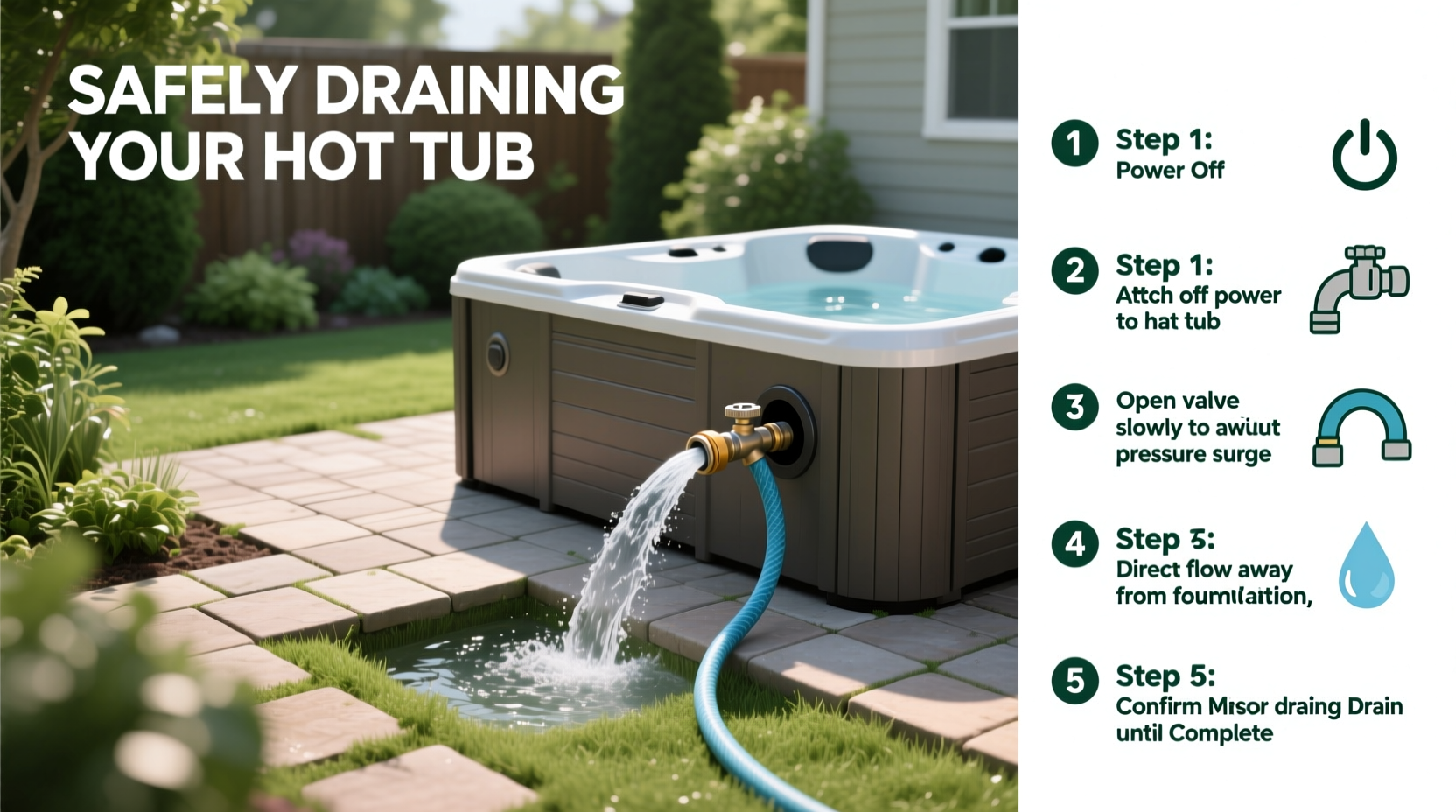
Hot tub water accumulates contaminants over time—body oils, lotions, sweat, and organic debris—which reduce sanitizer effectiveness and strain filtration systems. Even with regular chemical balancing, water should be fully replaced every 3–4 months depending on usage. Failing to do so can result in cloudy water, unpleasant odors, skin irritation, and scale buildup inside pipes and heaters.
Properly draining your hot tub also allows for deep cleaning of the shell, filter replacement, and inspection of jets and plumbing. Skipping this process may shorten the lifespan of your unit and increase long-term repair costs.
Tools and Materials You’ll Need
Before beginning the drainage process, gather the following items to ensure efficiency and safety:
- Garden hose (minimum 25 feet, preferably longer if discharging far from the tub)
- Rubber gloves and eye protection
- Bucket or container for residual water removal
- Submersible pump (optional but helpful for final dewatering)
- Siphon starter or vacuum-assist device (if relying solely on gravity siphoning)
- Check valve or backflow preventer (to avoid contaminated water re-entering your supply line)
- Drain spigot adapter (if connecting directly to heater or filter system)
Ensure your garden hose is clean and free of kinks or cracks. Never use a hose previously used for chemicals, fertilizers, or fuel, as residue could contaminate wastewater or pose health risks during handling.
Step-by-Step Guide to Draining Your Hot Tub with a Garden Hose
- Turn off power and unplug the unit. Safety first—always disconnect electricity before working near water or accessing internal components.
- Allow water to cool. Hot water discharged into grass or storm drains can cause damage or violate local regulations. Let the tub cool below 95°F (35°C).
- Locate the lowest drain point. Most hot tubs have a threaded spigot at the base. If yours doesn’t, you’ll need to use a submersible pump or create a siphon through the skimmer or access panel.
- Attach the garden hose securely. Connect one end to the drain spigot; tighten by hand or with a wrench if needed. Avoid overtightening plastic fittings.
- Route the hose to a suitable discharge area. Ideal locations include a sloped lawn (away from foundations), dry well, or sewer cleanout. Avoid directing water onto neighboring properties or into storm drains unless permitted.
- Open the drain valve. Turn the spigot counterclockwise to release water. Monitor flow rate—gravity-fed systems may take 30 minutes to several hours depending on volume and elevation drop.
- Break suction if flow stops. Airlocks can halt drainage. Briefly close the valve, disconnect the hose, then reconnect and reopen to restart flow.
- Remove remaining water. Once gravity drainage slows, use a shop vac or small pump to extract the last few gallons from the sump or base.
- Clean the tub interior. Wipe down surfaces with a non-abrasive cleaner designed for acrylic or spa shells. Rinse thoroughly.
- Inspect and clean filters. Remove, rinse, and soak filters in a dedicated spa cleaning solution. Replace if damaged or overdue.
Do’s and Don’ts When Draining with a Garden Hose
| Do’s | Don’ts |
|---|---|
| Use a dedicated, clean garden hose labeled for potable water | Never use a hose that has carried pesticides, detergents, or automotive fluids |
| Discharge water onto permeable ground like soil or gravel | Avoid releasing chlorinated or brominated water into ponds, streams, or septic systems |
| Check local ordinances about gray water disposal | Don’t let water pool near your home’s foundation or basement windows |
| Wear gloves and eye protection when handling dirty water | Never leave the draining process unattended initially—watch for leaks or blockages |
| Flush lines after draining to prevent biofilm buildup | Don’t attempt to drain while the system is powered on |
Real Example: How Sarah Saved Her Portable Spa
Sarah owns a plug-and-play inflatable hot tub in her backyard. After noticing persistent cloudiness despite chemical adjustments, she decided to drain and refill it. With no built-in pump, she connected a 50-foot drinking-water-rated hose to the bottom drain valve and routed it across her yard toward a natural slope in the garden.
Initially, water flowed slowly. She realized the outlet was nearly level with the tub’s base. By elevating the hose end slightly and creating a steeper decline, gravity took over and emptied the 300-gallon tub in under two hours. She followed up with a vinegar rinse to remove minor scale, cleaned the foam filter, and refilled with fresh water. Within a day, clarity improved dramatically, and her next soak was comfortable and odor-free.
This simple fix extended her spa’s usability and prevented premature wear on the heating element caused by mineral-laden water.
Expert Insight: What Professionals Recommend
“Using a garden hose to drain a hot tub isn’t just a workaround—it’s often the most reliable method when done correctly. The key is ensuring proper elevation differential and avoiding cross-contamination. Always treat spa water as semi-hazardous until neutralized.” — Mark Delaney, Certified Pool & Spa Technician (CPST), National Swimming Pool Foundation
Frequently Asked Questions
Can I use any garden hose to drain my hot tub?
No. Only use hoses certified for potable (drinkable) water, typically labeled “drinking water safe.” Non-potable hoses may leach phthalates, BPA, or other toxins into wastewater, which can harm plants, pets, or groundwater.
How long does it take to drain a hot tub with a garden hose?
Time varies based on tub size, hose diameter, and elevation drop. A typical 400-gallon spa with a 5/8-inch hose and a 3-foot downhill slope will empty in 60–90 minutes. Flat terrain or airlocks can extend this to several hours.
Is it safe to drain hot tub water onto my lawn?
Only if the water is cooled and chemically balanced. Chlorine levels should be below 0.5 ppm and pH between 6.5 and 8.0 before irrigation. Excessive chlorine or bromine kills grass and beneficial soil microbes. Consider dechlorinating with sodium thiosulfate before release.
Final Checklist Before You Begin
- ☑ Power is disconnected at the GFCI outlet or breaker
- ☑ Water has cooled to safe discharge temperature
- ☑ Hose is clean, undamaged, and designated for safe water transfer
- ☑ Discharge path avoids structures, utilities, and protected ecosystems
- ☑ Filters are removed and set aside for cleaning
- ☑ You have a way to remove residual water (bucket, sponge, or pump)
- ☑ Local drainage regulations have been verified
Conclusion: Take Control of Your Hot Tub Maintenance
Draining your hot tub with a garden hose is a straightforward task when approached with care and preparation. By understanding the mechanics of gravity drainage, selecting appropriate equipment, and respecting environmental guidelines, you protect both your investment and your surroundings. Regular draining isn’t just about water renewal—it’s a proactive step toward safer soaks, better hygiene, and longer-lasting equipment.




 浙公网安备
33010002000092号
浙公网安备
33010002000092号 浙B2-20120091-4
Comments
No comments yet. Why don't you start the discussion?