
Martha’s Vineyard, a picturesque island off the coast of Massachusetts, is a beloved summer destination known for its sandy beaches, charming towns, and relaxed coastal charm. For travelers arriving by car, the journey involves both a scenic drive and a ferry crossing. While the process is straightforward, proper planning makes all the difference—especially during peak season when demand surges. This guide walks you through every step, from route selection to ferry boarding, ensuring a smooth and stress-free arrival.
Planning Your Drive to the Ferry Terminal
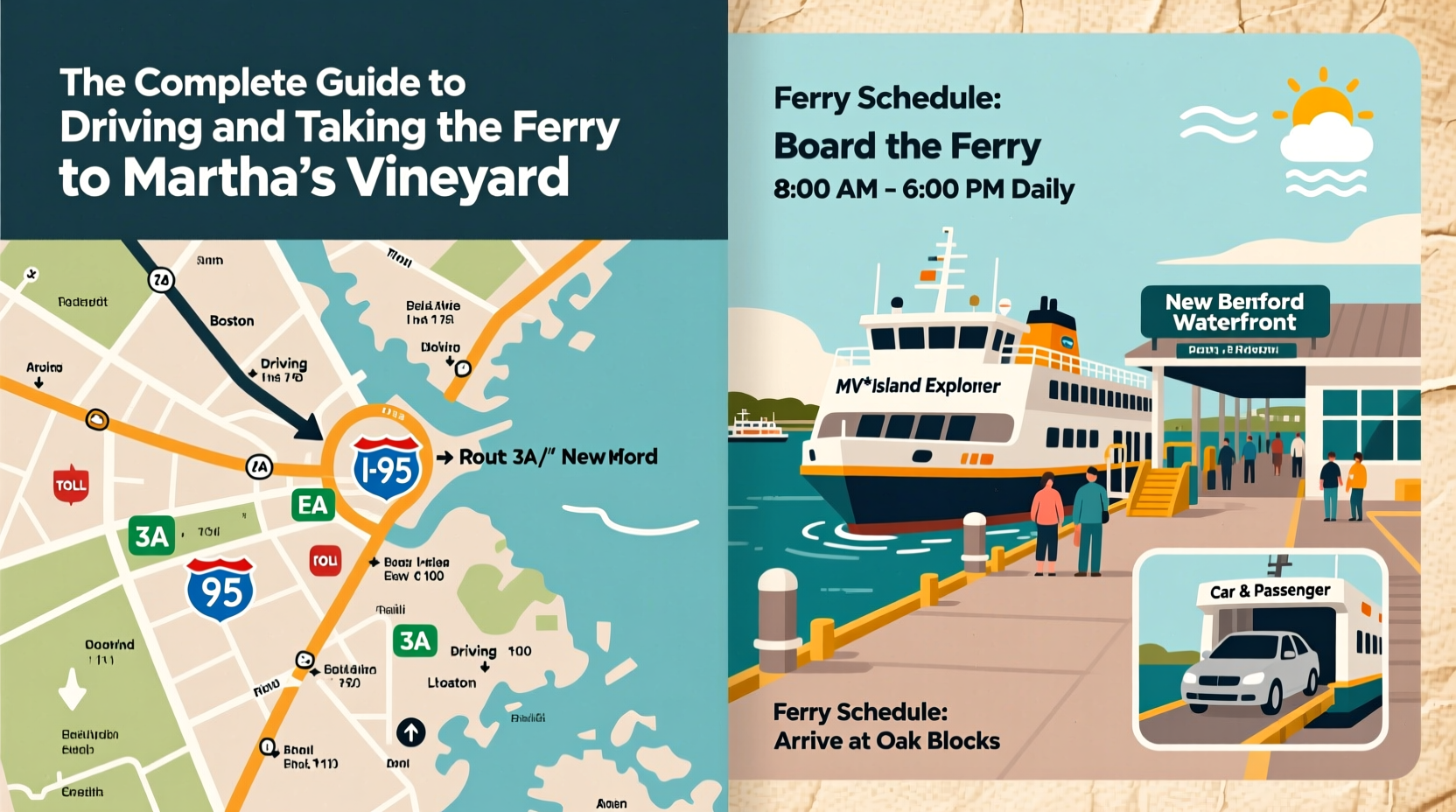
The first leg of your journey begins on land. Most visitors drive to one of two primary departure points: Woods Hole (from Cape Cod) or Hyannis (seasonal service). Woods Hole, located in Falmouth, is the most common embarkation point for the Steamship Authority—the only ferry operator that allows private vehicles.
From Boston, the drive to Woods Hole takes approximately 1.5 to 2 hours, depending on traffic. Take I-93 South to Route 25 South, then merge onto Route 28 toward Falmouth. Follow signs for Woods Hole; the terminal is well-marked and located right on the harbor.
Traffic can become congested in July and August, particularly on weekends. Delays often occur at the Sagamore Bridge, which connects mainland Massachusetts to Cape Cod. To avoid bottlenecks, consider departing early in the morning—ideally before 7:00 AM—or later in the evening.
Ferry Options and Scheduling
The Steamship Authority operates year-round service between Woods Hole and Oak Bluffs, with seasonal routes to Vineyard Haven. Only this ferry line transports private vehicles. Other operators like Seastreak and Hy-Line Cruises offer passenger-only service from Hyannis and New Bedford, but they do not accommodate cars.
Ferry schedules vary by season. In winter, there may be only one or two vehicle sailings per day. From late June through Labor Day, service increases significantly, with departures as frequent as hourly during peak times.
Reservations are strongly recommended—especially for vehicles. Without a reservation, you risk being turned away or waiting up to 24 hours during high season. Reservations can be made up to 90 days in advance via the Steamship Authority website.
“Booking your vehicle space early isn’t just convenient—it’s essential. During July and August, same-day vehicle spots are nearly impossible to secure.” — Michael Reynolds, Coastal Travel Planner, New England Tourism Board
Step-by-Step Guide: The Ferry Process from Arrival to Departure
Navigating the ferry terminal efficiently starts long before you arrive. Here’s a realistic timeline for a summer weekend trip:
- Day Before Departure: Confirm your reservation online and print or save your confirmation on your phone.
- Arrival at Terminal (2–3 Hours Before Sailing): The Steamship Authority recommends arriving at least 90 minutes before departure for vehicles. During peak weekends, aim for 2–3 hours early.
- Ticket Check and Vehicle Line-Up: Staff will verify your reservation and direct you to the appropriate queue. Lines are organized by destination (Oak Bluffs or Vineyard Haven) and reservation time.
- Boarding Process: When your group is called, follow crew instructions and drive slowly onto the ferry. Parking spaces are assigned; do not reposition your vehicle once parked.
- Onboard Experience: Once aboard, exit your vehicle and head to passenger areas. Restrooms, snacks, and outdoor decks are available. The crossing takes about 30–45 minutes.
- Disembarkation: Upon arrival, wait for crew instructions. Vehicles exit in reverse order of boarding—last on, first off. Have your license and ID ready for inspection.
Ferry Comparison: Do’s and Don’ts
| Action | Do | Don't |
|---|---|---|
| Booking | Reserve your vehicle spot online 2–3 months in advance | Assume walk-up availability during summer |
| Arrival Time | Arrive 2+ hours early on weekends | Arrive less than an hour before departure with a vehicle |
| Parking | Leave your car keys with the attendant in the designated envelope | Keep keys in your possession or hide them in the car |
| Onboard | Explore the upper decks and enjoy the views | Stay in your vehicle during the crossing |
| After Arrival | Follow crew directions for orderly disembarkation | Attempt to exit out of sequence or honk your horn |
Real Example: A Family Trip Gone Smoothly
The Carter family planned their first trip to Martha’s Vineyard in July. Living in Providence, RI, they drove to Woods Hole—a two-hour trip. They had reserved their 10:00 AM ferry sailing 70 days in advance. Arriving at 7:45 AM, they were among the first in line. Despite a growing queue behind them, their early arrival ensured they didn’t miss their booking.
Once onboard, they enjoyed coffee from the snack bar while watching the coastline fade into the horizon. Their 35-minute ride was calm, and they exited the ferry by 11:00 AM. By noon, they were checking into their rental in Edgartown. “We thought it would be chaotic,” said Sarah Carter, “but having a reservation and arriving early made all the difference.”
What to Pack: Pre-Trip Checklist
- ✔ Ferry reservation confirmation (printed or digital)
- ✔ Driver’s license and vehicle registration
- ✔ Snacks and water for the car ride and ferry
- ✔ Sunscreen and light jacket (ferry decks can be windy)
- ✔ Cash or card for parking and onboard purchases
- ✔ Emergency roadside kit (jumper cables, flashlight)
- ✔ Tidal schedule or island map (helpful for beach plans)
Frequently Asked Questions
Can I bring my bike on the ferry?
Yes. Bicycles can be brought on board for a small fee ($5–$10). If traveling without a vehicle, bikes are treated like passengers and must be reserved in advance. On vehicle ferries, bikes are stored on deck and must be secured.
What happens if I miss my reserved ferry?
If you arrive after your scheduled departure, your reservation is forfeited. You’ll be placed on standby for the next available sailing, which could involve a long wait during peak season. Refunds are not provided for missed reservations.
Are there gas stations on the island?
Yes, but prices are higher than on the mainland. It’s wise to fill your tank before boarding. Stations are located in Vineyard Haven, Oak Bluffs, and Edgartown. Some remote areas have limited access, so plan accordingly.
Final Tips for a Seamless Journey
Driving to Martha’s Vineyard and taking the ferry is a rite of passage for many New England travelers. While the island offers a slower pace, the journey requires attention to timing, preparation, and logistics. Always book your vehicle space early, arrive well ahead of schedule, and treat the ferry staff with patience—everyone benefits from a cooperative atmosphere.
Remember, the island has limited infrastructure. Gas, groceries, and auto services are more expensive and less readily available. Bring essentials with you, especially if staying in a remote area like Chilmark or Aquinnah.
“The key to enjoying Martha’s Vineyard is starting the trip right. A well-planned ferry crossing sets the tone for a peaceful vacation.” — Diane Porter, Island Concierge & Travel Advisor
Conclusion
Reaching Martha’s Vineyard by car and ferry is part adventure, part tradition. With the right preparation, it becomes a seamless gateway to sun-drenched beaches, seaside cottages, and timeless island life. Whether you're visiting for a weekend or a month-long retreat, mastering the logistics ensures you arrive relaxed and ready to enjoy everything the Vineyard has to offer.




 浙公网安备
33010002000092号
浙公网安备
33010002000092号 浙B2-20120091-4
Comments
No comments yet. Why don't you start the discussion?