
Pufferfish are among the most fascinating freshwater and brackish water aquarium inhabitants, known for their unique ability to inflate into a spiky ball when threatened. This behavior—puffing—is a natural defense mechanism designed to deter predators by making the fish appear larger and more difficult to swallow. While it's tempting to want to witness this remarkable transformation, encouraging puffing must be approached with caution, responsibility, and a deep understanding of your fish’s physiology and well-being.
This guide explores the science behind puffing, identifies safe conditions under which you might observe or gently encourage the behavior, and outlines best practices to ensure your pufferfish remains healthy, stress-free, and thriving in its environment.
Understanding Why Pufferfish Puff
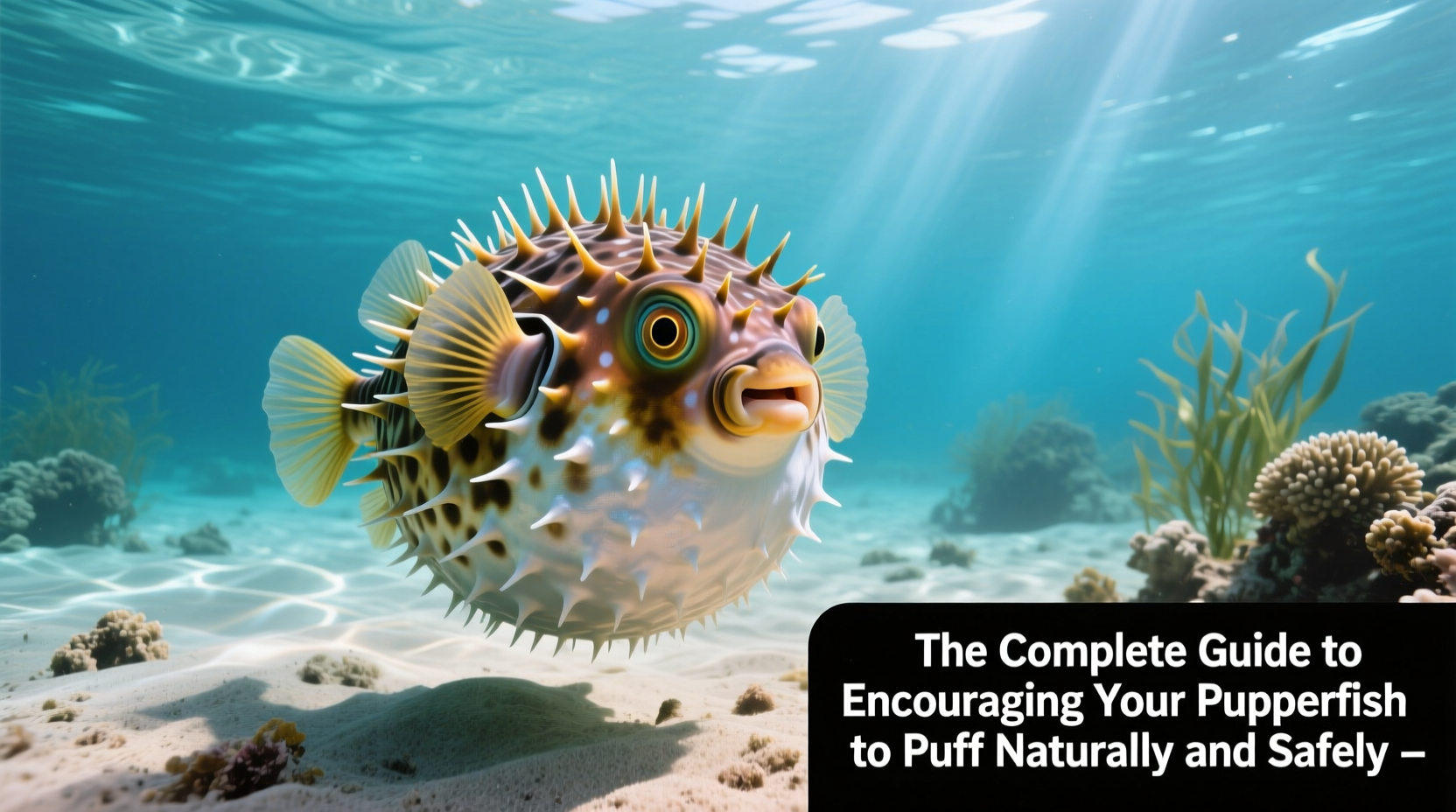
Pufferfish puff by rapidly ingesting water (or air, if near the surface) into a specialized stomach that can expand up to three times their normal size. The act is typically triggered by fear, surprise, or perceived threats. Spines on their skin become erect during inflation, enhancing the defensive effect.
While puffing is a natural survival tactic, it places significant physiological strain on the fish. The process increases heart rate, depletes energy reserves, and can lead to internal stress or injury if repeated too frequently. In captivity, puffing should never be provoked for entertainment. Instead, observation should occur only under natural, low-stress circumstances—such as mild environmental changes or cautious interaction.
“Puffing is not a party trick—it’s a cry for safety. Repeated inflation without recovery time can shorten a pufferfish’s lifespan.” — Dr. Lila Nguyen, Aquatic Veterinarian and Ichthyologist
Safe Conditions for Observing Natural Puffing Behavior
Encouraging puffing doesn’t mean provoking it. The goal is to create an environment where the fish feels secure enough to behave naturally, including puffing when appropriate. Below are key factors that support healthy expression of instinctive behaviors:
- Stable Water Parameters: Maintain consistent temperature, pH, and salinity (for brackish species). Sudden shifts may cause stress-induced puffing.
- Adequate Hiding Spaces: Provide caves, PVC pipes, or live plants so the fish can retreat when startled, reducing chronic anxiety.
- Gradual Environmental Enrichment: Introduce new objects slowly to spark curiosity without overwhelming the fish.
- Low-Stress Tank Mates: Avoid aggressive species. Some puffers do best alone; others tolerate peaceful companions carefully selected by species.
Step-by-Step Guide to Encouraging Natural Puffing Safely
If your goal is to observe puffing as part of natural behavior—not coercion—follow this responsible timeline:
- Week 1–2: Establish Routine Care
Ensure water quality is optimal. Test regularly for ammonia, nitrite, and nitrate. Feed a balanced diet of snails, shrimp, and high-quality pellets to support overall health. - Week 3: Introduce Novel Stimuli
Add a new decoration or rearrange part of the tank during maintenance. Observe whether the fish investigates cautiously. A brief, momentary puff may occur if startled—but should resolve within seconds. - Week 4: Monitor Interaction Patterns
Sit quietly near the tank at feeding time. Over days, your puffer may begin to recognize you. Some become curious and swim closer. This builds trust and reduces baseline stress. - Week 5+: Observe During Feeding Challenges
Use puzzle feeders like sealed shells or floating caps with food inside. Curiosity-driven exploration may lead to mild puffing if the object seems threatening at first but is later deemed harmless.
The key is patience. Natural puffing should be rare and self-resolving. If your fish inflates daily—or holds the puff for more than a few minutes—reassess tank conditions immediately.
Do’s and Don’ts of Pufferfish Puffing
| Do’s | Don’ts |
|---|---|
| Observe puffing from a distance without reacting | Tap the glass or make loud noises to provoke inflation |
| Provide mental stimulation through safe enrichment | Handle the fish or remove it from water to see it puff |
| Allow full deflation before resuming normal activity | Encourage repeated puffing in a short timeframe |
| Maintain excellent water quality to reduce stress | Keep incompatible tank mates that chase or nip |
| Record behavior patterns to monitor health trends | Force the fish to interact before it’s comfortable |
Real Example: Toby’s Figure 8 Puffer
Toby, an aquarist in Portland, noticed his Figure 8 puffer, Bubbles, rarely showed any signs of puffing despite being active and eating well. Concerned that the fish wasn’t expressing natural behaviors, he consulted a local aquatic specialist. After reviewing water parameters and tank setup, the expert suggested adding a small ceramic cave and rotating feeding tools weekly.
Over six weeks, Toby introduced a clipped ping-pong ball with a hole (containing frozen bloodworms), then later a crushed snail shell in a new location. On the third day after introducing the shell, Bubbles approached cautiously, puffed slightly upon contact, then quickly deflated and began cracking the shell open. The puff lasted less than ten seconds and was followed by enthusiastic feeding.
This example illustrates how controlled novelty—not pressure—can inspire natural defensive reactions while supporting long-term confidence and engagement.
Frequently Asked Questions
Is it harmful if my pufferfish puffs occasionally?
Occasional puffing—especially in response to a real or perceived threat—is not inherently harmful. However, each episode stresses the fish internally. As long as the puff lasts less than a minute and is followed by calm behavior, occasional inflation is within normal limits.
Can pufferfish puff out of curiosity?
Not exactly. Puffing is a fear-based reflex, but it can be triggered by unfamiliar objects. What appears to be “curious puffing” is actually a defensive reaction to something novel. Once the fish determines there’s no danger, it deflates and may investigate further.
What should I do if my puffer stays puffed for too long?
If your puffer remains inflated for more than five minutes, turn off tank lights to reduce stimulation and ensure water quality is stable. Do not attempt to touch or shake the tank. Persistent puffing may indicate illness, poor water conditions, or chronic stress and warrants veterinary consultation.
Essential Checklist for Responsible Pufferfish Care
- ✅ Test water weekly (ammonia, nitrite, nitrate, pH)
- ✅ Offer a varied diet including hard-shelled foods for teeth wear
- ✅ Provide hiding spots and visual barriers
- ✅ Limit tank disturbances and sudden changes
- ✅ Observe behavior daily without interference
- ✅ Rotate enrichment items every 2–3 weeks
- ✅ Never provoke puffing for amusement
- ✅ Quarantine new additions before introducing to main tank
Conclusion: Respect Nature, Nurture Trust
Witnessing a pufferfish puff is a privilege, not a right. When done responsibly, observing this behavior offers insight into the animal’s instincts and emotional state. But the true mark of a dedicated puffer owner isn’t seeing the puff—it’s creating a world where the fish feels safe enough not to need it.
By prioritizing stability, minimizing stress, and enriching the environment thoughtfully, you allow natural behaviors to emerge organically. That’s when genuine connection begins. Your pufferfish may never perform on cue—and that’s exactly how it should be.




 浙公网安备
33010002000092号
浙公网安备
33010002000092号 浙B2-20120091-4
Comments
No comments yet. Why don't you start the discussion?