
Grooming a large dog isn’t just about appearances—it’s essential for their health, comfort, and bonding with you. Regular grooming helps prevent matting, reduces shedding, detects skin issues early, and keeps your dog feeling clean and relaxed. While professional groomers offer valuable services, learning how to groom your large dog at home saves money, reduces stress for your pet, and strengthens your relationship. This comprehensive guide walks you through every step, tool, and technique needed to maintain a healthy coat and overall hygiene.
Why Home Grooming Matters for Large Dogs
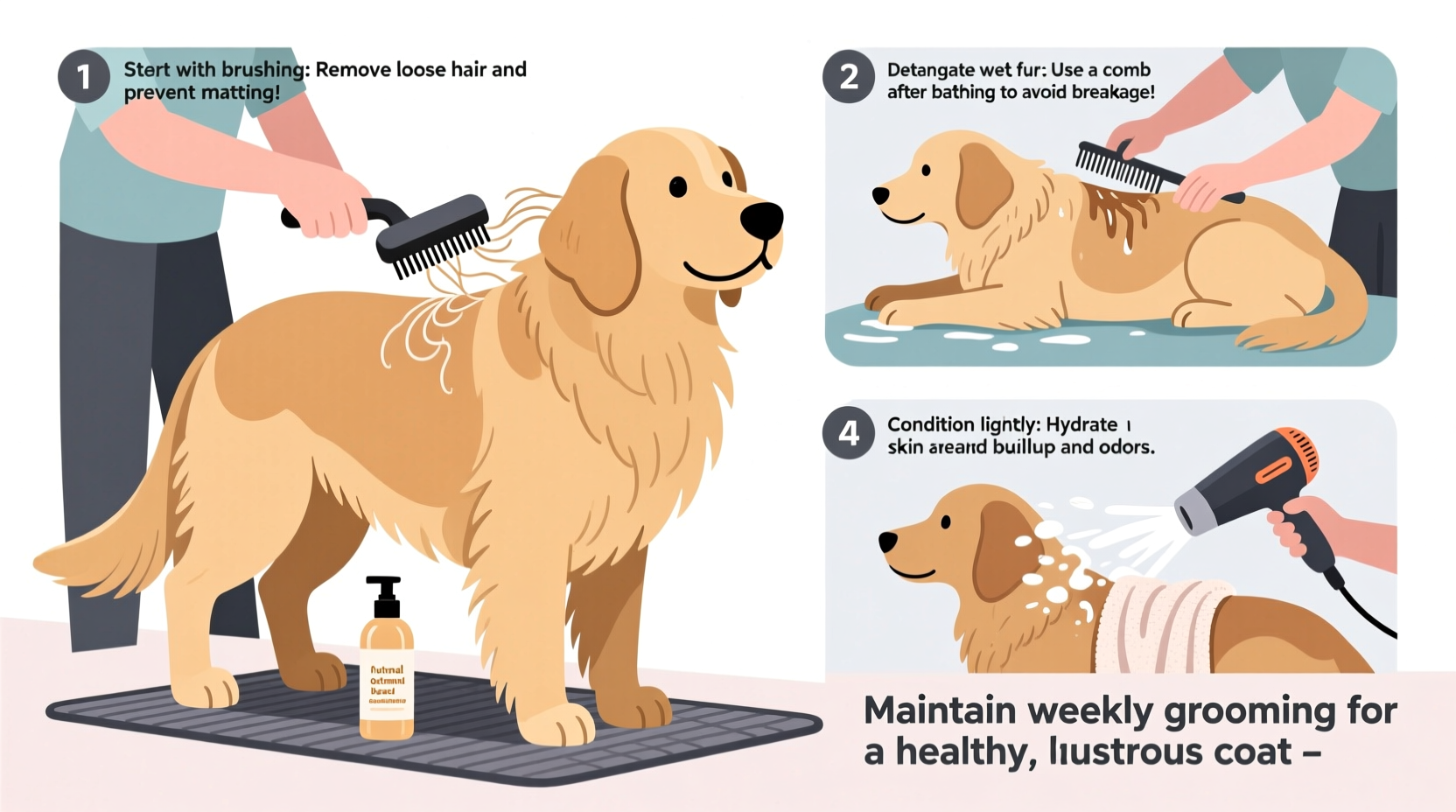
Large breeds like German Shepherds, Golden Retrievers, Newfoundlands, and Great Danes often have thick or double coats that trap dirt, debris, and dead hair. Without regular care, this leads to matting, hot spots, and even infections. Unlike smaller dogs, large breeds are harder to lift and maneuver at grooming salons, which can make visits stressful. At-home grooming allows you to set the pace, use familiar tools, and tailor routines to your dog’s temperament and coat type.
Consistent grooming also gives you the chance to inspect for lumps, parasites, dry skin, or ear infections—issues that are easier to treat when caught early. Plus, it reinforces trust. When done gently and positively, grooming becomes a calming ritual your dog learns to enjoy.
Essential Tools for Grooming Large Dogs
Having the right equipment makes a significant difference in effectiveness and comfort. Here’s what you’ll need:
- Slicker brush – Removes loose undercoat and prevents tangles in medium-to-long-haired breeds.
- Undercoat rake – Ideal for double-coated dogs like Huskies or Bernese Mountain Dogs during shedding season.
- Pin brush – Gentle on longer topcoats; great for finishing after detangling.
- Deshedding tool (e.g., Furminator) – Reduces shedding by up to 90% when used correctly.
- Detangling spray or conditioner – Helps loosen mats without pulling skin.
- Dog-specific shampoo and conditioner – Match the formula to your dog’s skin type (oily, dry, sensitive).
- Nail clippers or grinder – Large dogs require heavy-duty tools designed for thick nails.
- Ear cleaner and cotton pads – Avoid cotton swabs; they can damage the ear canal.
- High-velocity dryer or towel – Thick coats take time to dry; moisture trapped in fur causes odor and fungal growth.
“Brushing is preventive medicine. A well-groomed coat means fewer vet visits for skin conditions.” — Dr. Laura Simmons, DVM, Canine Dermatology Specialist
Step-by-Step Guide to At-Home Grooming
Follow this routine weekly for short-haired breeds and bi-weekly for long- or double-coated dogs. Adjust frequency based on shedding cycles and activity level.
- Brush Thoroughly Before Bathing
Start with a slicker brush or undercoat rake. Work in sections from head to tail, focusing on common mat zones: behind ears, under legs, and around the collar. Use a detangling spray if needed. Never skip pre-bath brushing—wet mats tighten and become painful to remove. - Bathe with Dog-Safe Products
Use lukewarm water and wet the coat completely. Apply shampoo from neck down, massaging into the skin. Avoid eyes and ears. For dogs with sensitive skin, choose oatmeal-based formulas. Rinse thoroughly—residue causes itching. Follow with conditioner if needed, especially for coarse or curly coats. - Rinse and Dry Completely
Squeeze excess water with your hands, then wrap in absorbent towels. For long-haired dogs, consider a high-velocity dryer on low heat. Keep airflow moving to avoid overheating. Ensure the coat is fully dry before letting your dog roam indoors. - Trim Nails Every 3–4 Weeks
Clip only the tip, avoiding the quick (pink area inside). If unsure, file instead. For black nails, trim small amounts at a time. Grinding is quieter and less jarring for noise-sensitive dogs. - Clean Ears Weekly
Soak a cotton pad with vet-approved ear cleaner. Wipe the outer ear flap and visible canal. Never insert anything deep. Look for redness, odor, or discharge—signs of infection needing veterinary attention. - Check Teeth and Coat Health
Lift lips to inspect gums and teeth. Yellow buildup or bad breath may indicate dental disease. Run fingers along the spine and flanks to feel for lumps, bumps, or thinning fur.
Common Mistakes to Avoid
| Mistake | Why It’s Harmful | Better Approach |
|---|---|---|
| Using human shampoo | Disrupts pH balance, causing dryness and irritation | Always use dog-formulated products |
| Skipping undercoat removal | Leads to matting and overheating in summer | Rake deeply during seasonal sheds |
| Bathing too frequently | Strips natural oils, leading to flaky skin | Bathe every 4–6 weeks unless soiled |
| Ignoring paw pads and between toes | Traps dirt and increases risk of infection | Inspect and clean weekly |
Real Example: Grooming Max, a 90-Pound Labrador Mix
Max’s owner, Sarah, noticed excessive shedding and a dull coat despite feeding premium food. After consulting her vet, she learned Max had mild seborrhea—a common skin condition in large breeds. She started a bi-weekly grooming routine: brushing with an undercoat rake, using a medicated shampoo twice monthly, and drying with a high-velocity dryer. Within six weeks, Max’s coat regained shine, shedding dropped by half, and his skin irritation resolved. “I didn’t realize how much better he’d feel,” Sarah said. “Now he wags his tail during brushing.”
Grooming Checklist for Large Dogs
- ✅ Brush coat 2–3 times per week
- ✅ Bathe every 4–6 weeks
- ✅ Trim nails every 3–4 weeks
- ✅ Clean ears weekly
- ✅ Inspect skin, paws, and coat for abnormalities
- ✅ Brush teeth 2–3 times per week
- ✅ Check anal glands if scooting occurs (consult vet if needed)
Frequently Asked Questions
How do I handle severe mats without hurting my dog?
If mats are close to the skin, do not pull or cut with scissors. Use a detangling solution and work from the outside in with a wide-tooth comb. For large, tight mats, consult a professional groomer—attempting removal at home can cause pain or injury.
Can I use a human hairdryer on my dog?
Not recommended. Human dryers run hotter and louder than pet-safe models, increasing burn risk and anxiety. Invest in a high-velocity dog dryer—it dries faster and reduces stress.
My dog hates being groomed. How can I change that?
Start slow. Touch paws, ears, and tail daily without brushing. Reward calm behavior. Gradually introduce tools with treats. Keep sessions under five minutes at first. Patience builds confidence.
Final Tips for Long-Term Success
Consistency is key. Even dogs with short coats benefit from regular brushing and nail trims. Rotate tasks across the week to avoid overwhelming yourself or your dog. Keep tools organized and easily accessible. Track grooming dates in a calendar or app to stay on schedule.
Remember, grooming is more than maintenance—it’s a form of caregiving. The time spent brushing, cleaning, and checking your dog’s body fosters awareness and connection. You’ll notice subtle changes in behavior or health before they become serious problems.




 浙公网安备
33010002000092号
浙公网安备
33010002000092号 浙B2-20120091-4
Comments
No comments yet. Why don't you start the discussion?