
Mailing a package doesn’t have to be complicated, but doing it wrong can lead to delays, damage, or unexpected costs. Whether you're sending a gift, returning an item, or shipping products for your business, following a clear process ensures your parcel arrives safely and on time. This guide walks you through every stage—from choosing the right box to selecting the best shipping method—so you can send packages with confidence.
Step 1: Choose the Right Packaging
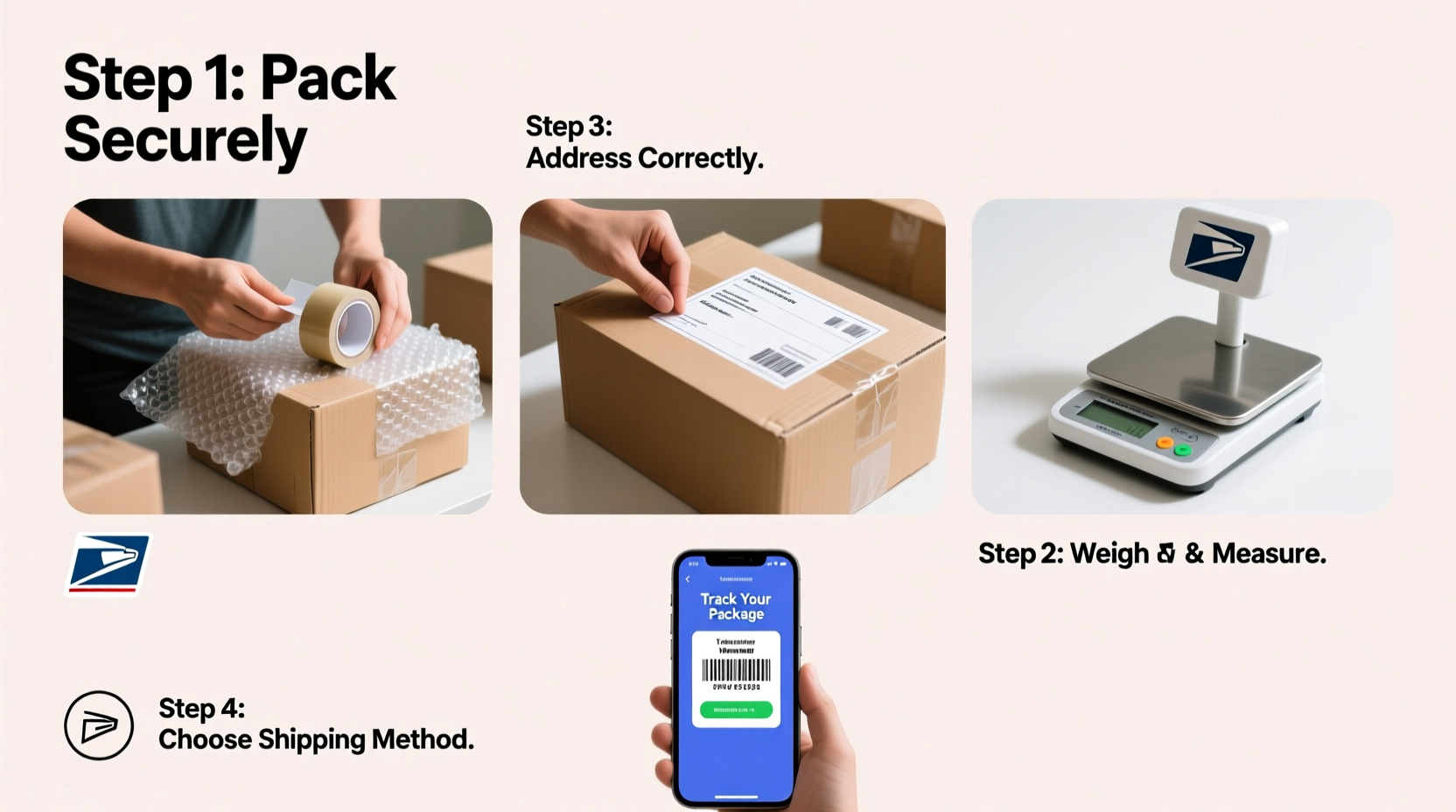
The foundation of safe shipping is proper packaging. A flimsy box or insufficient padding can result in crushed corners, broken contents, or rejected shipments. Always match the packaging to the item’s size, weight, and fragility.
For most standard items—a book, clothing, or small electronics—a corrugated cardboard box works well. Heavier or irregularly shaped items may require double-walled boxes or custom crating. Envelopes are suitable only for flat, non-brittle items like documents or photos.
Packaging Materials Checklist
- Sturdy box (new or gently used)
- Bubble wrap, foam inserts, or packing paper
- Packing tape (water-activated tape is strongest)
- Scissors or box cutter
- Permanent marker for labeling
Avoid using string, twine, or masking tape—they don’t provide enough support and can cause your package to fail during transit.
Step 2: Pack Your Item Securely
How you pack determines whether your item survives the journey. Even non-fragile items can shift and break under pressure from stacked parcels. Follow these principles for secure packing:
- Wrap the item individually with bubble wrap or several layers of packing paper.
- Place the item in the center of the box, ensuring at least two inches of cushioning on all sides.
- Fill empty spaces with air pillows, crumpled paper, or foam peanuts—never let the item rattle inside.
- Seal the box with strong packing tape in a “H” pattern: across the main seam and both flaps.
For fragile items, clearly mark the box with “Fragile” and “This Side Up” indicators. These alerts prompt carriers to handle with care, though they aren’t legally binding.
| Item Type | Packaging Recommendation | Avoid |
|---|---|---|
| Books | Rigid box with edge protection | Plastic bags without ventilation |
| Electronics | Original box + outer shipping container | Insufficient cushioning |
| Clothing | Flat-rate envelope or small box | Overstuffing causing bulges |
| Glassware | Double-boxing with foam inserts | Solo wrapping without internal support |
Step 3: Label Accurately and Clearly
An incorrect or smudged address is one of the top reasons for delivery delays. Always use printed labels when possible, especially for online sales. If handwriting, use a dark, permanent marker and print legibly.
The shipping label must include:
- Recipient’s full name
- Street address (no P.O. boxes unless required)
- Apt/unit number (if applicable)
- City, state, and ZIP code
- Country (for international shipments)
- Your return address in the top-left corner
Attach the label securely on the largest, flattest side of the package. Never place it over seams or tape. For added protection, cover the label with clear packing tape or a waterproof sleeve.
Step 4: Choose the Right Shipping Service
Not all carriers or services are equal. The best choice depends on speed, budget, tracking needs, and destination. Here’s a quick comparison of major U.S. options:
| Carrier | Best For | Delivery Time | Tracking Included |
|---|---|---|---|
| USPS | Lightweight domestic & international mail | 1–10 business days | Yes (most services) |
| UPS | Business shipments, heavy packages | 1–5 business days | Yes |
| FedEx | Overnight, express, and freight | 1–7 business days | Yes |
| DHL | Global express shipping | 2–5 business days internationally | Yes |
USPS offers flat-rate boxes—ideal if your package weighs more than the dimensional weight would suggest. UPS and FedEx often provide better rates for heavier shipments over long distances.
“Choosing the right service isn’t just about cost—it’s about reliability and visibility. Real-time tracking reduces customer anxiety and supports faster resolution if issues arise.” — Mark Reynolds, Logistics Consultant at SupplyChain Advisors LLC
Step 5: Weigh, Calculate, and Ship
Before finalizing your shipment, weigh the package accurately. Most post offices and shipping centers have calibrated scales. If shipping from home, use a digital kitchen or postal scale.
Shipping cost depends on:
- Weight (actual vs. dimensional)
- Destination zone
- Speed of service
- Additional services (insurance, signature confirmation)
Dimensional (dim) weight is calculated by multiplying length × width × height, then dividing by a carrier-specific divisor (usually 139 for USPS, 166 for UPS/FedEx). If dim weight exceeds actual weight, the higher value is charged.
Real Example: Mailing a Holiday Gift
Sarah needed to send a ceramic mug to her sister in Chicago by Christmas Eve. She wrapped it in bubble wrap, placed it in a snug box with foam corners, and filled gaps with shredded paper. She used a USPS Priority Mail Flat Rate box—free and trackable. By dropping it off at her local post office on December 20th, she ensured delivery by the 23rd. Her sister received it intact, thanks to proper packing and timely dispatch.
FAQ
Can I reuse a box with a previous shipping label?
Yes, but only if you completely cover or remove the old label and barcode. Leftover scannable data can misroute your package.
What happens if my package is lost?
If you purchased insurance, file a claim with the carrier. Without insurance, recovery options are limited. Always opt for tracking, and consider insurance for items worth over $50.
Is Saturday delivery available?
Yes—USPS, UPS, and FedEx deliver on Saturdays in most areas. Sunday delivery is limited and typically reserved for premium services like Amazon or FedEx Express.
Final Tips for Stress-Free Shipping
Shipping doesn’t need to be daunting. With the right materials, accurate labeling, and smart service selection, your packages will arrive safely and efficiently. Keep supplies stocked at home or in your workspace for last-minute sends. Save frequently used addresses in your carrier’s dashboard. And always double-check before handing over your parcel.
Whether you’re a casual sender or managing regular shipments, mastering the basics saves time, money, and frustration.




 浙公网安备
33010002000092号
浙公网安备
33010002000092号 浙B2-20120091-4
Comments
No comments yet. Why don't you start the discussion?