
In today’s fast-moving world, the ability to make quick, reliable, and safe payments is essential—whether you're shopping online, splitting a bill at dinner, or sending money overseas. With an explosion of payment technologies and rising cyber threats, knowing how to pay securely while maintaining convenience isn’t just helpful—it’s necessary. This guide breaks down the best practices, tools, and strategies that empower you to transact confidently from anywhere, at any time.
Understanding Modern Payment Methods
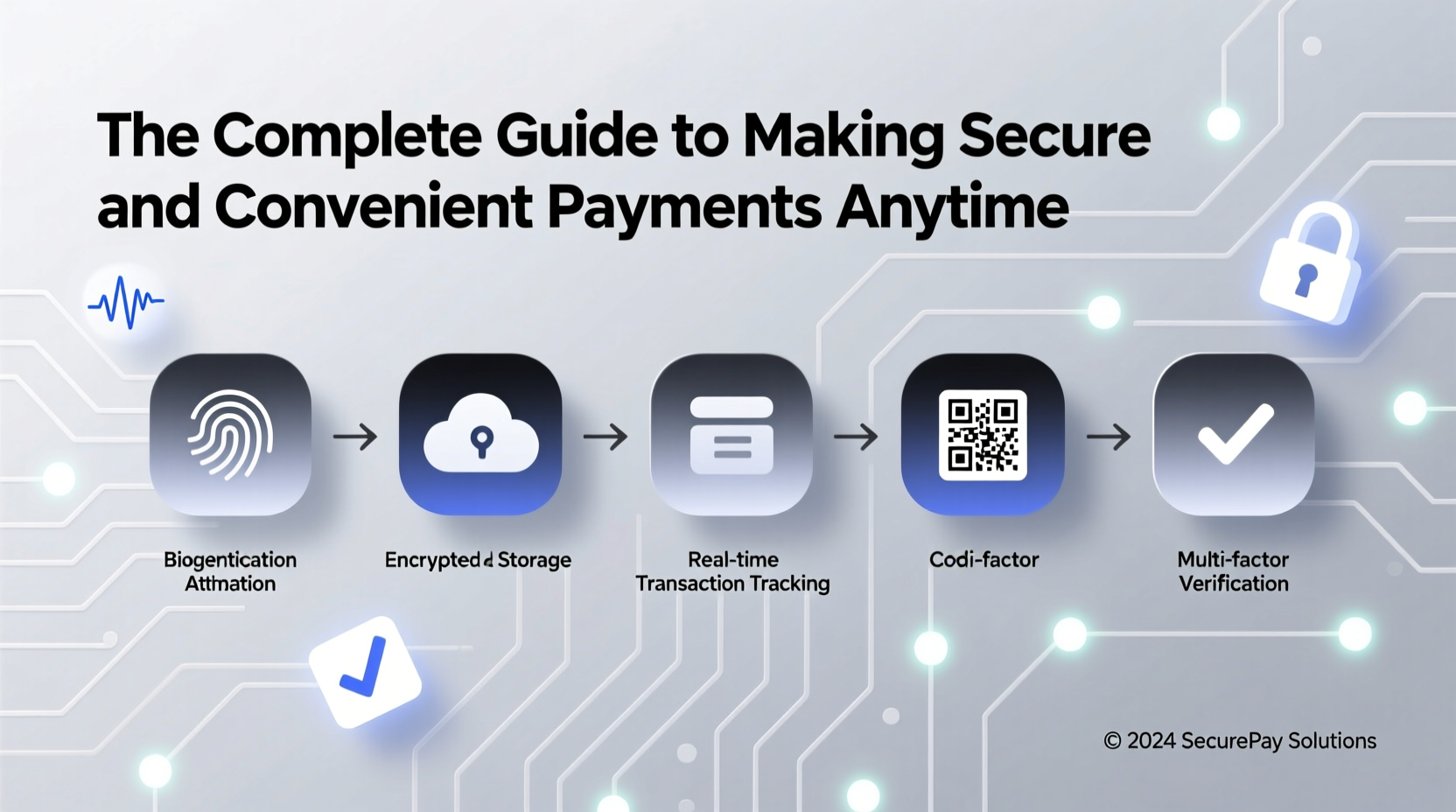
The landscape of financial transactions has evolved dramatically. Gone are the days when cash or checks were the only options. Today’s consumers have access to a wide range of payment methods, each with unique advantages and risks:
- Credit and Debit Cards: Widely accepted and offer fraud protection, but require vigilance against skimming and data breaches.
- Digital Wallets (Apple Pay, Google Pay, Samsung Pay): Enable contactless payments using encrypted tokens, reducing exposure of actual card details.
- Bank Transfers (ACH, Wire, SEPA): Ideal for large or recurring payments, though slower than instant alternatives.
- Peer-to-Peer Apps (Venmo, Zelle, Cash App): Fast and social-friendly, but often lack strong buyer protections.
- Cryptocurrencies (Bitcoin, Ethereum): Decentralized and borderless, yet volatile and irreversible once sent.
- Buy Now, Pay Later (BNPL) Services: Offer short-term financing but can lead to debt if misused.
Choosing the right method depends on context: urgency, amount, recipient, and security requirements. The most effective users combine multiple tools strategically rather than relying on one solution.
Essential Security Practices for Every Transaction
No payment method is inherently secure without proper user behavior. Cybercriminals exploit weak passwords, unsecured networks, and outdated software to intercept sensitive data. Implementing consistent safeguards dramatically reduces risk.
- Enable Two-Factor Authentication (2FA): Always activate 2FA on banking and payment accounts. This adds a second verification step beyond your password.
- Use Strong, Unique Passwords: Avoid reusing passwords across platforms. Consider a reputable password manager to generate and store complex credentials.
- Monitor Account Activity Regularly: Set up transaction alerts via SMS or email to detect unauthorized charges immediately.
- Avoid Public Wi-Fi for Financial Actions: If necessary, use a trusted Virtual Private Network (VPN) to encrypt your connection.
- Keep Devices Updated: Install OS and app updates promptly—they often include critical security patches.
“Over 80% of account takeovers begin with stolen credentials from reused passwords.” — Sarah Lin, Senior Cybersecurity Analyst at TrustWave Financial Group
Common Payment Scams and How to Avoid Them
Fraudsters continuously refine their tactics. Awareness is your first line of defense. Common scams include:
- Phishing Emails: Fake messages claiming to be from banks or retailers asking you to \"verify\" your card.
- Card Skimming: Devices attached to ATMs or gas pumps that capture card data.
- Impersonation Fraud: Calls from someone pretending to be tech support or a government agent demanding immediate payment.
- Online Marketplace Scams: Sellers accepting payment before shipping nonexistent goods.
To avoid falling victim, never click links in unsolicited messages, inspect card readers for tampering, and only pay through protected platforms like PayPal or official apps.
Optimizing Convenience Without Sacrificing Safety
Convenience should not come at the cost of security—but the two aren't mutually exclusive. With smart habits and the right tools, you can enjoy both.
| Payment Method | Speed | Security Level | Best For |
|---|---|---|---|
| Apple Pay / Google Pay | Instant | High (tokenization) | In-person & online mobile purchases |
| Zelle | Near-instant | Moderate (no chargebacks) | Trusted peer transfers |
| Credit Card | Immediate approval | High (fraud liability protection) | Online shopping, travel bookings |
| Bank Transfer (ACH) | 1–3 business days | High (reversible with bank) | Rent, utilities, invoices |
| Cryptocurrency Wallet | Varies (minutes to hours) | Low (irreversible) | Decentralized exchanges, niche vendors |
Real Example: Secure Grocery Shopping with Mobile Pay
Lena, a busy professional living in Chicago, used to carry her wallet daily. After reading about a local ATM skimming ring, she decided to switch to Apple Pay. At checkout, she simply holds her iPhone near the terminal—no card swiping, no PIN entry. Her actual card number is never shared with the store. She also receives instant notifications for every purchase. When a $127 charge appeared from a pharmacy she didn’t visit, she flagged it within minutes. Her bank reversed the charge and issued a new card—all because her system was designed for both speed and safety.
Step-by-Step: Setting Up a Secure Digital Wallet
Switching to a digital wallet enhances both security and convenience. Follow this sequence to set one up safely:
- Choose a Platform: Select Apple Pay (iOS), Google Pay (Android), or Samsung Pay based on your device.
- Open the Wallet App: On iPhone, open “Wallet”; on Android, launch “Google Wallet” or “Google Pay”.
- Add Your Card: Tap “Add Credit or Debit Card” and follow prompts to scan or enter details manually.
- Verify with Your Bank: Most institutions send a text or email code to confirm ownership.
- Set as Default (Optional): Make it your go-to payment method in settings.
- Enable Biometric Lock: Require Face ID, fingerprint, or passcode before each transaction.
- Test It: Make a small purchase at a nearby store or online to ensure functionality.
Once configured, your phone becomes a secure, always-ready payment tool—especially useful during emergencies or when traveling light.
Checklist: Secure Payment Best Practices
Use this checklist monthly to maintain strong payment hygiene:
- ✅ Review all bank and credit statements for unrecognized transactions
- ✅ Update passwords and enable 2FA on all financial apps
- ✅ Remove unused cards from digital wallets
- ✅ Confirm auto-payments are still needed (subscriptions, memberships)
- ✅ Clear browser cache after online banking sessions
- ✅ Backup your digital wallet recovery key (if applicable)
- ✅ Report lost or stolen devices immediately to suspend linked payments
Frequently Asked Questions
Is it safer to pay with a credit card or debit card online?
Credit cards generally offer stronger consumer protections. Under U.S. law, your liability for unauthorized charges is capped at $50, and many issuers provide zero-liability policies. Debit cards draw directly from your bank account, which can leave you temporarily without funds during dispute investigations. For online purchases, credit cards are typically the safer choice.
Can someone steal my payment info if I use contactless payments?
Modern contactless systems use tokenization, meaning your real card number is never transmitted. Instead, a one-time-use code is generated per transaction. While theoretical risks exist (e.g., RFID skimming), real-world cases are extremely rare due to encryption and proximity requirements. Keeping your phone or card in a shielded wallet adds extra peace of mind.
What should I do if my phone with saved payment methods is lost?
Act immediately. Use Find My iPhone or Find My Device (Android) to lock or erase your phone remotely. Then, contact your bank or card issuer to disable digital wallet access. Most services allow you to suspend Apple Pay or Google Pay even after losing the device.
Take Control of Your Financial Transactions
Secure and convenient payments aren’t reserved for tech experts or finance professionals. By understanding your options, adopting proactive security habits, and leveraging modern tools wisely, you can transact with confidence anytime, anywhere. Whether you’re buying coffee, paying rent, or supporting a friend abroad, the power to protect your money lies in preparation and awareness.




 浙公网安备
33010002000092号
浙公网安备
33010002000092号 浙B2-20120091-4
Comments
No comments yet. Why don't you start the discussion?