
A state-issued identification card is essential for daily life in the United States. Whether you're opening a bank account, boarding a domestic flight, or proving your age, a valid state ID provides official recognition of your identity. Unlike a driver’s license, a state ID does not permit driving but serves as a government-verified photo ID. While requirements vary slightly from state to state, the general process follows a consistent structure. This guide breaks down every stage—from gathering documents to visiting the DMV—with actionable advice to help you secure your ID efficiently and avoid delays.
Why You Need a State ID
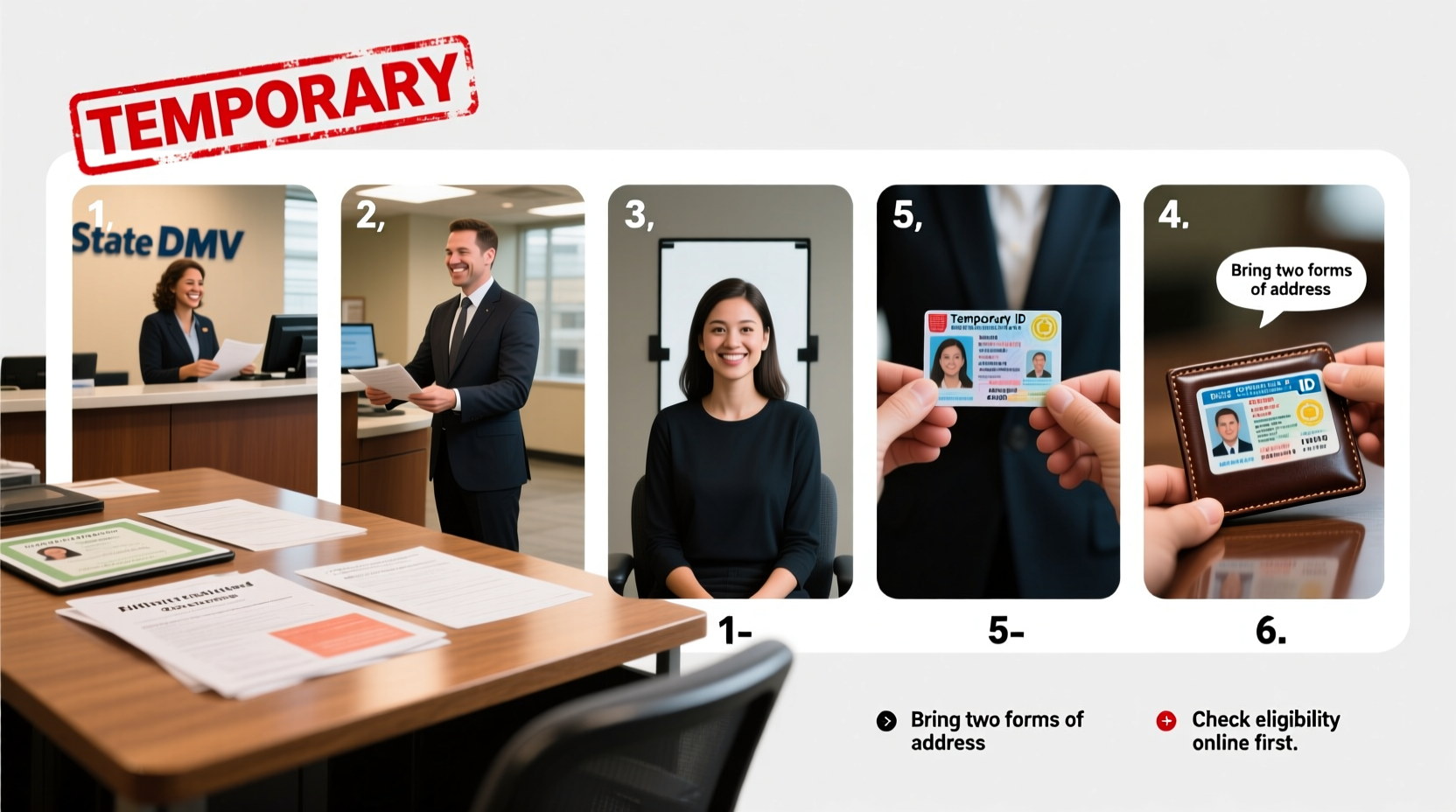
Not everyone drives, but nearly everyone needs a reliable form of identification. A state ID is accepted nationwide for age verification, financial transactions, and access to government services. It's especially important for seniors, teens, non-drivers, and individuals who have let their driver’s license lapse. In an era of increasing digital and physical security checks, having a current, government-issued ID ensures you can participate fully in civic and economic life.
“Every American should have access to a secure, verifiable identity document. The state ID fills that role for millions.” — National Conference of State Legislatures (NCSL)
Step-by-Step Process to Obtain Your State ID
The journey to obtaining your state ID involves preparation, documentation, and a visit to your local Department of Motor Vehicles (DMV) or equivalent agency. Follow this structured timeline to stay on track:
- Determine eligibility: Most states require U.S. citizenship or lawful presence, proof of residency, and a valid Social Security number.
- Gather required documents: These typically fall into categories: identity, residency, and Social Security verification.
- Complete the application form: Available online or at the DMV office.
- Schedule an appointment (if required): Many states now use appointment systems to reduce wait times.
- Visit the DMV in person: Submit documents, have your photo taken, and pay the fee.
- Receive your ID: Some states issue temporary IDs; permanent cards arrive by mail within 7–14 days.
Required Documents: What You’ll Need
Each state has specific rules, but most follow a tiered system where you must present one primary document and one or more secondary proofs. Below is a general breakdown of acceptable documents:
| Document Type | Examples | Notes |
|---|---|---|
| Proof of Identity | U.S. Birth Certificate, Valid Passport, Permanent Resident Card | Must be original or certified copy; photocopies not accepted |
| Proof of Residency | Utility Bill, Lease Agreement, Bank Statement | Must show your current address; issued within last 90 days |
| Social Security Verification | SSN Card, W-2 Form, Pay Stub with Full SSN | Some states allow redacted SSNs; others require full visibility |
| Legal Name Change (if applicable) | Court Order, Marriage Certificate, Divorce Decree | Necessary if your name differs across documents |
Always verify your state’s exact list before visiting. For example, California requires two proofs of residency, while Texas accepts one. Visit your state’s DMV website to download the official checklist.
Avoiding Common Mistakes
Many applicants face delays due to preventable errors. Being aware of frequent pitfalls can save time, money, and frustration.
- Bringing expired documents: Even if it’s just a few days past expiration, many offices will reject them.
- Using P.O. Boxes as address: Most states require a physical residential address.
- Mismatched names: If your birth certificate says “Robert” but your bank statement says “Rob,” bring a legal name change document.
- Wearing glasses or hats in your photo: These are usually prohibited. Remove sunglasses, headwear (except religious exceptions), and heavy makeup that alters appearance.
Mini Case Study: Maria’s Smooth Experience in Illinois
Maria, a 68-year-old retiree in Chicago, needed her first state ID after giving up driving. She researched the Illinois Secretary of State website, downloaded Form DL-60, and gathered her U.S. birth certificate, recent utility bill, and Social Security card. She scheduled an appointment online for a Tuesday morning, avoiding weekend crowds. At the office, she was in and out in under 30 minutes. Her new ID arrived by mail in 10 days. By preparing thoroughly and using the appointment system, Maria avoided the long waits many fear at government offices.
Her key takeaway? “I thought it would take all day. But because I checked the website and brought everything at once, it was easier than renewing my library card.”
Expert Tips for a Faster, Smoother Process
Based on interviews with DMV service coordinators and public advocates, here are proven strategies to streamline your experience:
- Apply online if possible: Some states, like Florida and Arizona, allow partial applications online, reducing in-office time.
- Double-check document validity: Call your local office or check the website if unsure about a document.
- Bring multiple copies: Although originals are required, having photocopies can speed up processing.
- Know the fee structure: Fees range from $10 to $35 depending on the state and age. Seniors and low-income individuals may qualify for waivers.
- Verify mailing timelines: Track expected delivery dates. If your ID doesn’t arrive within three weeks, contact the DMV.
“Preparation is 90% of a successful DMV visit. Those who come ready spend less than half the time inside.” — James Reed, Former DMV Operations Manager, Ohio Bureau of Motor Vehicles
Frequently Asked Questions
Can I get a state ID if I’m not a U.S. citizen?
Yes, but you must provide proof of lawful presence, such as a Permanent Resident Card (Green Card), Employment Authorization Document (EAD), or valid visa with I-94 record. Policies vary by state—some, like New York and California, offer IDs to undocumented residents under specific programs (e.g., \"Driver’s License Access\" laws).
How long is a state ID valid?
Typically 4 to 8 years, depending on the state and applicant age. Minors often receive IDs valid for shorter periods (e.g., 4 years), while seniors may qualify for longer or even lifetime IDs in states like Florida and Iowa.
What if I lose my state ID?
You can apply for a replacement, usually through the same process as an initial application. Most states charge a fee for duplicates. Report loss immediately if you suspect fraud, and consider placing a fraud alert with credit bureaus.
Checklist: Prepare for Your DMV Visit
Use this checklist to ensure you’re fully prepared before heading to the DMV:
- ☐ Proof of identity (birth certificate, passport, etc.)
- ☐ Two proofs of residency (utility bill, lease, etc.)
- ☐ Social Security card or alternative SSN proof
- ☐ Completed application form (printed or filled digitally)
- ☐ Payment method for fees (check cash, card, or money order—verify accepted types)
- ☐ Appointment confirmation (if required)
- ☐ Glasses (if needed for vision test, though not always required for ID)
- ☐ List of questions or special requests (e.g., organ donor designation)
Conclusion: Take Action Today
Obtaining a state ID is a straightforward process when approached with preparation and knowledge. From gathering the right documents to choosing the best time to visit, small decisions make a big difference in your experience. Whether you're applying for the first time or replacing an expired card, taking control of this essential task empowers you to navigate everyday life with confidence and ease.




 浙公网安备
33010002000092号
浙公网安备
33010002000092号 浙B2-20120091-4
Comments
No comments yet. Why don't you start the discussion?