
In today’s connected world, access to a mobile phone is not just a convenience—it's a necessity. From job applications to healthcare appointments, staying in touch often means staying online. For low-income individuals and families, government-supported programs offer a lifeline by providing free or heavily subsidized phones and service. The two primary programs are the Federal Communications Commission’s (FCC) Lifeline Assistance and the Affordable Connectivity Program (ACP). This guide walks you through eligibility, enrollment, provider options, and practical tips to ensure you get connected without paying full price.
Understanding Government Phone Programs: Lifeline and ACP
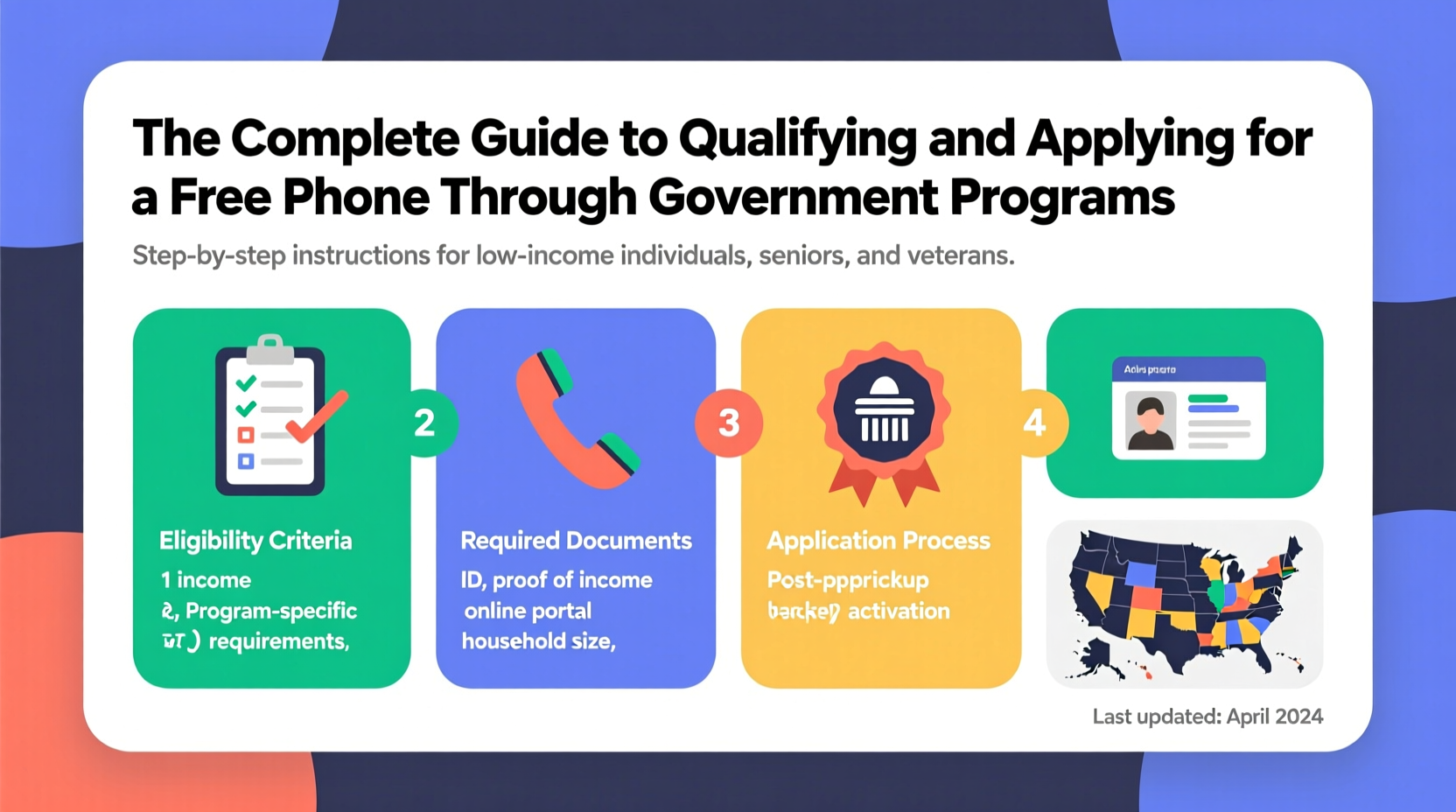
The U.S. government supports digital inclusion through two major initiatives: Lifeline and the Affordable Connectivity Program. Both aim to reduce communication costs for qualifying low-income households.
Lifeline has been available since 1985, originally for landline services and later expanded to include mobile and broadband. It provides up to $9.25 monthly credit toward phone or internet service—or up to $34.25 for those on tribal lands.
The Affordable Connectivity Program (ACP), launched in 2022, offers a larger benefit: up to $30 per month toward internet or wireless service ($75 on tribal lands), plus a one-time discount of up to $100 toward a laptop, tablet, or phone when purchased through a participating provider.
While both programs can be used simultaneously with the same provider, you cannot receive duplicate benefits across multiple providers. You must choose one company to administer your service.
“Access to communication is a modern utility. These programs help bridge the digital divide for millions who would otherwise be left behind.” — FCC Consumer & Governmental Affairs Bureau
Who Qualifies for a Free Phone?
Eligibility for a free phone and service discount depends on income level or participation in certain federal assistance programs. To qualify, you must meet one of the following criteria:
- Your household income is at or below 135% of the Federal Poverty Guidelines.
- You participate in one of these federal programs:
- Supplemental Nutrition Assistance Program (SNAP)
- Medicaid
- Supplemental Security Income (SSI)
- Federal Public Housing Assistance (FPHA)
- Veterans Pension and Survivors Benefit
- Free and Reduced-Price School Lunch Program (for students)
Residents of Tribal lands may also qualify under additional programs such as Bureau of Indian Affairs General Assistance or Tribal Temporary Assistance for Needy Families (TANF).
Step-by-Step Guide to Applying for a Free Phone
Applying for a free phone and service is straightforward if you follow the right steps. Here’s a clear timeline to help you through the process:
- Determine Your Eligibility: Confirm that you meet income requirements or participate in a qualifying assistance program.
- Gather Required Documents: Prepare proof of identity and qualification—such as a government ID, benefit award letter, tax return, or recent bill showing your address.
- Choose a Participating Provider: Research carriers that offer free phones and ACP/Lifeline benefits. Popular options include Assurance Wireless, Safelink Wireless, Q Link Wireless, and TruConnect.
- Apply Online or By Mail: Visit the provider’s website and fill out the application form, or download a paper version from fcc.gov/acp. Submit copies of your documents.
- Wait for Approval: Processing typically takes 7–14 days. You’ll receive confirmation via email or mail.
- Receive Your Phone: Once approved, your provider will ship a free smartphone (usually within 7–10 business days) or provide instructions to pick it up locally.
- Activate Your Service: Follow activation instructions included with the device. Your monthly service will begin automatically.
Top Providers Offering Free Phones and Service
Not all carriers offer the same devices or data allowances. Below is a comparison of leading providers in the ACP and Lifeline space:
| Provider | Free Phone Model | Monthly Data | Additional Benefits | Activation Time |
|---|---|---|---|---|
| Assurance Wireless | Apple iPhone SE or Android smartphone | Unlimited talk/text, 10GB data | Free international calling to select countries | 7–10 days |
| Safelink Wireless | Android smartphone | Unlimited talk/text, 15GB data | Mobile hotspot available | 5–7 days |
| Q Link Wireless | iPhone or Android option | Unlimited talk/text/data | Free rollover data, hotspot | 7–14 days |
| TruConnect | Android smartphone | Unlimited talk/text, 12GB data | Wi-Fi calling, hotspot included | 5–10 days |
Note: Device availability varies by state and program funding. Some providers allow you to keep your current number during activation.
Mini Case Study: How Maria Got Her Free Smartphone
Maria, a single mother of two in Phoenix, Arizona, lost her job during the pandemic and relied on SNAP and Medicaid for support. She struggled to communicate with potential employers because her old phone no longer held a charge. After learning about the ACP through a community health clinic, she applied online using her Medicaid eligibility.
Within ten days, she was approved and received an Android smartphone from Safelink Wireless. With unlimited data and a working camera, she began applying for jobs online, attending virtual interviews, and enrolling her children in telehealth counseling. “This phone gave me back control,” she said. “I got a part-time job within three weeks—all because I could finally respond to messages on time.”
Common Mistakes to Avoid During Application
Many applications are delayed or denied due to preventable errors. Avoid these pitfalls:
- Submitting expired documents: Ensure your benefit letter or ID hasn’t expired.
- Duplicating applications: Applying with multiple providers triggers fraud alerts and delays approval.
- Using incomplete addresses: Mismatched mailing addresses between your application and proof documents cause rejections.
- Skipping verification steps: Some providers require a follow-up call or email confirmation—check your inbox regularly.
FAQ: Common Questions About Free Government Phones
Can I get a free iPhone through these programs?
Yes—some providers, including Assurance Wireless and Q Link Wireless, offer refurbished Apple iPhones to eligible applicants. Availability depends on your state and the provider’s inventory.
Is the service truly free?
The phone and monthly service are free as long as you remain eligible and stay active. However, excessive inactivity (typically 30–60 days without use) may result in disconnection. You must reverify eligibility annually.
Can I switch providers later?
Yes, but only after fully transferring your account and ensuring your new provider accepts ACP/Lifeline transfers. You cannot maintain active service with two providers at once.
Final Checklist Before You Apply
Use this checklist to prepare a successful application:
- ☐ Confirm eligibility through income or federal program participation
- ☐ Collect proof documents (e.g., Medicaid card, SNAP award letter, tax return)
- ☐ Choose a reliable provider offering good coverage in your area
- ☐ Complete the application accurately—double-check spelling and dates
- ☐ Submit copies (not originals) of supporting documents
- ☐ Monitor email and mail for approval notices
- ☐ Activate your phone promptly upon arrival
Stay Connected—Take Action Today
Access to a working phone should never be a luxury. Whether you’re searching for work, managing healthcare, or staying in touch with family, government programs like Lifeline and the Affordable Connectivity Program exist to help. The process is simple, the benefits are real, and the impact can be life-changing.
If you qualify, don’t wait. Gather your documents, choose a trusted provider, and submit your application. Millions have already taken advantage of this opportunity—join them in closing the digital gap and reclaiming your connection to the world.




 浙公网安备
33010002000092号
浙公网安备
33010002000092号 浙B2-20120091-4
Comments
No comments yet. Why don't you start the discussion?