
For individuals living with disabilities, a well-trained service dog can be more than a companion—it can be a lifeline. These highly skilled animals assist with mobility, alert to medical conditions, provide stability during anxiety episodes, and perform countless other tasks that enhance independence and quality of life. But obtaining a service dog is not as simple as adopting a pet. It involves understanding legal criteria, navigating training options, meeting health and behavioral requirements, and making informed decisions about the best fit for your specific needs.
Understanding What a Service Dog Is (and Isn’t)
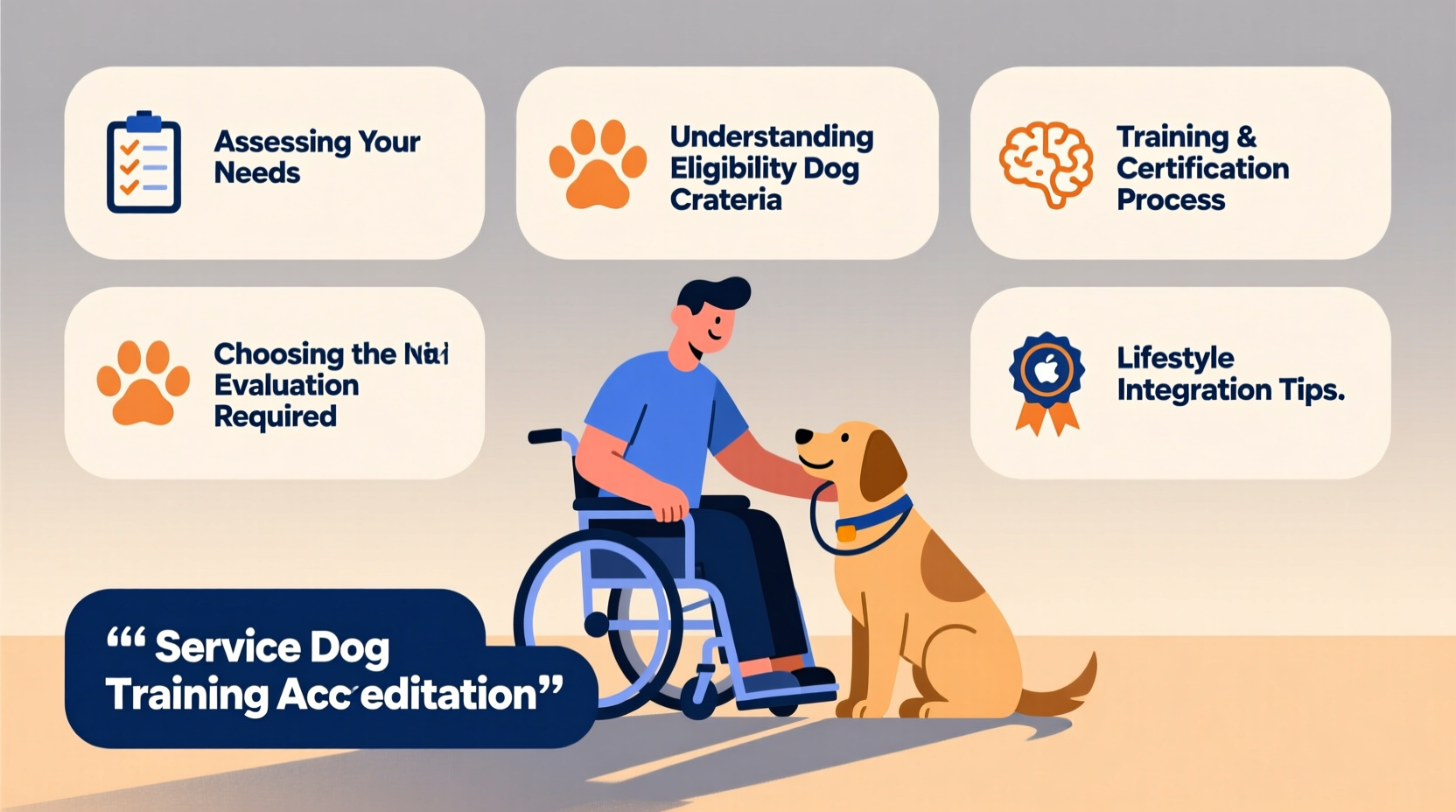
Under the Americans with Disabilities Act (ADA), a service dog is defined as a dog individually trained to perform tasks for a person with a disability. These tasks must be directly related to the individual’s disability—such as retrieving dropped items for someone with limited mobility, interrupting panic attacks in people with PTSD, or detecting oncoming seizures.
It's important to distinguish service dogs from emotional support animals (ESAs) and therapy dogs. ESAs offer comfort through companionship but are not trained to perform specific tasks and do not have the same public access rights. Therapy dogs work in clinical or institutional settings to provide comfort but are not protected under ADA public access laws.
“Service dogs aren't pets—they're working animals with legally protected access because they perform essential functions.” — Dr. Karen Overall, Veterinary Behaviorist and Animal Welfare Scholar
Qualifying for a Service Dog: Medical and Legal Requirements
To legally qualify for a service dog in the United States, you must have a physical or mental impairment that substantially limits one or more major life activities. This includes conditions such as:
- Visual or hearing impairments
- Mobility limitations (e.g., paralysis, multiple sclerosis)
- Diabetes (needing glucose alerts)
- Post-traumatic stress disorder (PTSD)
- Seizure disorders
- Autism-related safety concerns (in some cases)
A licensed healthcare professional—such as a physician, psychiatrist, or psychologist—must confirm your disability in writing. While there is no official federal certification required, documentation may be necessary when applying to training programs or seeking housing accommodations.
Choosing Between Professional Training Programs and Owner-Training
There are two primary paths to acquiring a service dog: enrolling in a professional training program or owner-training your dog with guidance from certified trainers.
Professional Programs: Reputable organizations like Canine Companions, Paws With a Cause, or Assistance Dogs International (ADI)-accredited centers typically provide fully trained dogs at little or no cost, though waitlists can extend up to two years. These programs assess your needs and match you with a dog already trained in specific tasks.
Owner-Training: If you already have a suitable dog or want more control over the process, owner-training is an option. However, it requires significant time, consistency, and access to expert coaching. The dog must meet temperament, health, and trainability standards.
| Factor | Professional Program | Owner-Training |
|---|---|---|
| Time Commitment | Waitlist: 1–3 years | 1.5–2+ years of active training |
| Cost | $0–$50,000 (often subsidized) | $10,000–$25,000 (training, equipment, certifications) |
| Success Rate | High (dogs pre-screened) | Variable (depends on handler skill) |
| Public Access Readiness | Fully prepared | Requires proof of proficiency |
Step-by-Step Guide to Getting Your Service Dog
- Confirm Eligibility: Obtain written verification of your disability from a licensed healthcare provider.
- Assess Your Needs: Identify the specific tasks you require assistance with (e.g., balance support, medication retrieval, sound alerts).
- Research Programs or Trainers: Look for ADI-accredited organizations or Certified Professional Dog Trainers (CPDT-KA) experienced in service animal work.
- Apply or Begin Training: Submit applications to programs or start structured training with your dog using positive reinforcement methods.
- Complete Public Access Training: Ensure your dog can remain calm and focused in crowded spaces, ignore distractions, and follow commands reliably.
- Test Proficiency: Pass a public access test (not federally required but recommended by experts) to validate readiness.
- Register (Optional): While not legally necessary, some handlers choose to register their dog for identification purposes—avoid fraudulent “certification” websites.
Real-Life Example: From Diagnosis to Independence
Sarah, a 34-year-old graphic designer, was diagnosed with Type 1 diabetes in her early twenties. After experiencing multiple severe hypoglycemic episodes at night, she decided to pursue a diabetic alert dog. She applied to an ADI-accredited nonprofit and was matched with a Labrador named Milo after an eight-month wait.
Milo was already trained to detect subtle changes in blood chemistry and alert Sarah by nudging her hand or fetching her glucose meter. Within weeks of bringing him home, he alerted her twice during sleep, preventing hospital visits. Today, Sarah travels confidently, knowing Milo provides both safety and peace of mind.
Common Challenges and How to Overcome Them
Even with proper preparation, challenges arise. Some handlers face pushback in public despite clear ADA protections. Others struggle with the financial burden or emotional toll of long waitlists.
- Public Access Denials: Calmly inform staff of your rights under the ADA. You are only required to answer two questions: “Is this a service animal required because of a disability?” and “What work or task has this animal been trained to perform?”
- Financial Barriers: Explore grants from nonprofits like Service Dog Fund or Pet Partners. Some crowdfunding campaigns have successfully raised funds for training costs.
- Dog Doesn’t Qualify: Not all dogs have the temperament for service work. Early socialization and temperament testing can help identify suitability before investing heavily in training.
Frequently Asked Questions
Can any dog become a service dog?
Any breed or mix can be a service dog if it is healthy, well-tempered, and capable of learning complex tasks. However, breeds like Labrador Retrievers, Golden Retrievers, and German Shepherds are commonly used due to their trainability and stamina.
Do I need to register my service dog?
No. There is no federal requirement to register or certify a service dog. Websites offering “official” registration are often scams. Legitimate programs may issue IDs, but these are not legally binding.
Can landlords deny a service dog?
No. Under the Fair Housing Act (FHA), landlords must allow service dogs even in properties with “no pets” policies. They cannot charge pet deposits, though tenants remain responsible for any damage caused.
Final Checklist Before Moving Forward
- ✓ Confirmed disability with healthcare provider documentation
- ✓ Clearly defined tasks your dog will perform
- ✓ Researched reputable training programs or qualified trainers
- ✓ Evaluated financial and time commitments
- ✓ Selected or acquired a dog with appropriate temperament
- ✓ Completed or planned for public access and task-specific training
- ✓ Prepared to assert your legal rights calmly and confidently
Take the Next Step Toward Greater Independence
Obtaining a service dog is a journey—one that demands patience, dedication, and resilience. But for those who qualify, the rewards are immeasurable. With the right preparation and support, you can partner with a dog trained specifically for your needs, gaining not just assistance, but renewed confidence and freedom.
If you're ready to begin, start today by speaking with your healthcare provider and researching accredited programs in your region. Share your story, connect with others in the service dog community, and take that first step toward a more independent life.




 浙公网安备
33010002000092号
浙公网安备
33010002000092号 浙B2-20120091-4
Comments
No comments yet. Why don't you start the discussion?