
As temperatures rise, many people find themselves tossing and turning at night, searching for relief from overheated sheets and suffocating duvets. The right bedding can make a dramatic difference in sleep quality during the summer months. Unlike winter bedding, which prioritizes warmth and insulation, summer sleep systems must focus on breathability, moisture-wicking, and thermal neutrality. Choosing the wrong fabric can trap heat and humidity, leading to discomfort and disrupted rest. This guide breaks down the science and practicality behind top-performing summer bedding materials, helping you create a cooler, more refreshing sleep environment.
Why Bedding Material Matters in Summer
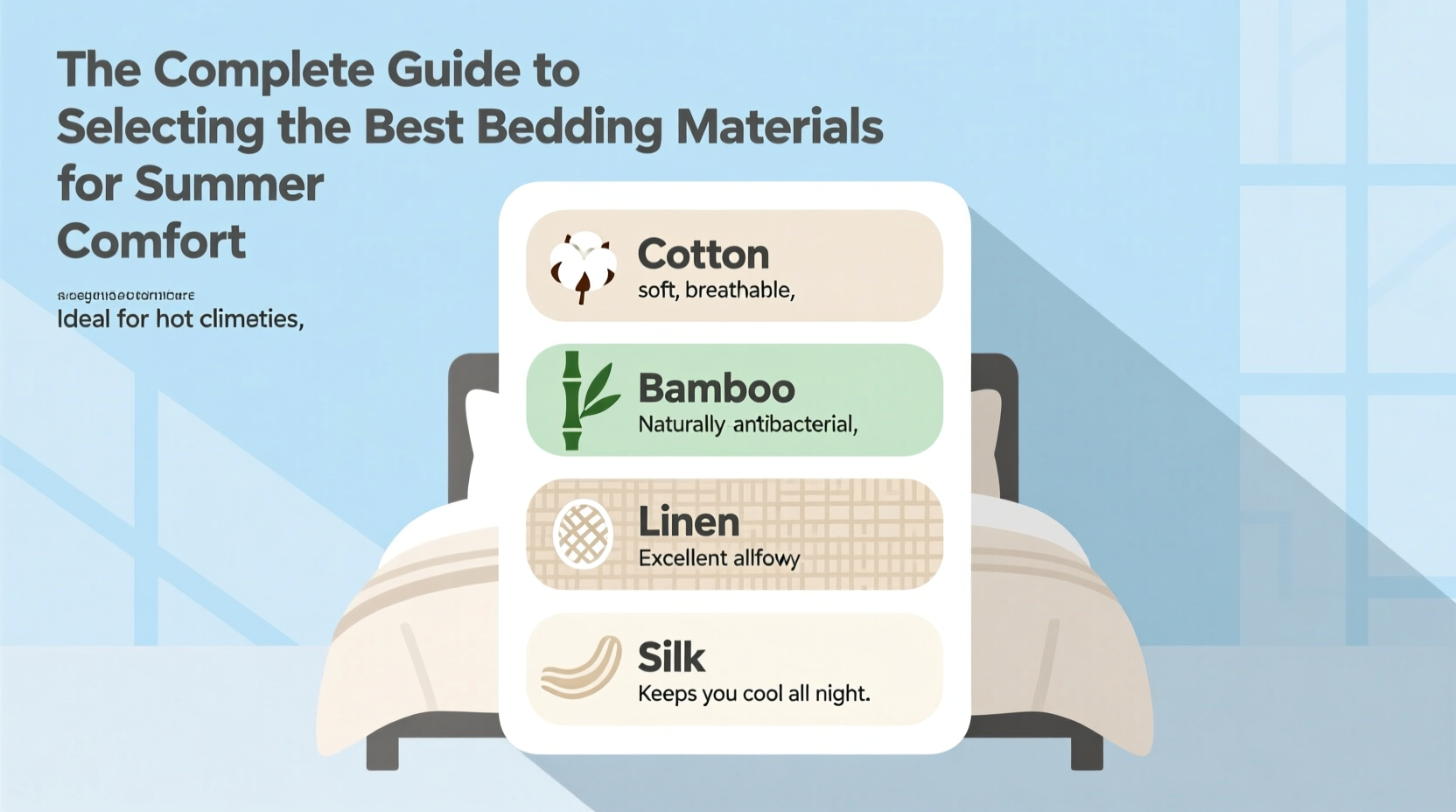
The human body naturally lowers its core temperature during sleep, and overheating is one of the most common causes of poor sleep in warm weather. Bedding acts as a microclimate between your body and the room. Materials that resist airflow or retain moisture exacerbate heat retention, making it harder to fall and stay asleep. On the other hand, breathable, lightweight fabrics help regulate body temperature by allowing air circulation and wicking sweat away from the skin.
Natural fibers generally outperform synthetics in hot conditions due to their hygroscopic (moisture-attracting) and porous structures. However, not all natural materials are equal—thread count, weave type, and finishing processes also influence performance. For example, a tightly woven 1000-thread-count cotton percale may feel stifling compared to a looser 300-thread-count version, despite being made from the same base fiber.
Top Bedding Materials for Summer Comfort
Not every fabric responds well to heat and humidity. Below is a breakdown of the most effective materials for staying cool through the summer nights.
Cotton (Especially Percale and Supima)
Cotton remains a top choice for summer bedding due to its softness, durability, and natural breathability. Among cotton weaves, percale stands out for its crisp, lightweight feel and open plain weave, which promotes excellent airflow. High-quality long-staple varieties like Egyptian or Supima cotton offer superior strength and softness without sacrificing ventilation.
Linen
Linen, made from flax fibers, is arguably the gold standard for hot climates. It’s highly absorbent, pulling moisture away from the skin quickly, and dries faster than cotton. Its loose weave allows maximum air circulation, and over time, linen becomes softer with each wash while maintaining its cooling properties. Though initially crisp, it develops a relaxed drape that many find luxurious.
“Linen’s natural thermoregulatory properties make it ideal for seasonal transitions and consistently warm environments.” — Dr. Lena Torres, Sleep Environment Researcher, National Sleep Foundation
TENCEL™ (Lyocell)
TENCEL™, a branded form of lyocell made from sustainably sourced wood pulp (usually eucalyptus), combines eco-friendliness with exceptional moisture management. It wicks sweat up to 50% more efficiently than cotton and has a silky-smooth texture that feels cool to the touch. TENCEL™ is also naturally resistant to bacteria, reducing odors—a benefit during humid summer months.
Bamboo-Derived Rayon
Bamboo-based fabrics are often marketed as ultra-cool, but performance varies depending on processing. When processed into rayon via chemical methods, bamboo loses some of its natural benefits but still offers good moisture absorption and a soft, slippery surface that minimizes friction and heat buildup. Look for Oeko-Tex or OEKO-certified options to ensure low environmental impact and minimal chemical residues.
Silk
Silk is a natural protein fiber known for its smoothness and temperature-regulating abilities. It keeps you cool in summer and warm in winter, making it a year-round option. Silk also resists dust mites and is gentle on sensitive skin. However, it requires careful maintenance—hand washing or dry cleaning—and is typically more expensive than plant-based alternatives.
Material Comparison Table
| Material | Breathability | Moisture Wicking | Durability | Care Requirements |
|---|---|---|---|---|
| Cotton Percale | High | Medium | High | Machine washable, durable |
| Linen | Very High | High | Very High | Machine washable, softens over time |
| TENCEL™ | High | Very High | Medium-High | Machine wash cold, avoid high heat |
| Bamboo Rayon | Medium | High | Medium | Gentle cycle, low heat drying |
| Silk | Medium | Medium | Low-Medium | Hand wash or dry clean recommended |
Step-by-Step Guide to Choosing Summer Bedding
- Assess your sleep climate: Determine whether your bedroom is naturally cool, prone to humidity, or exposed to direct sunlight. Air-conditioned rooms allow more flexibility; naturally warm spaces demand high-performance fabrics like linen or TENCEL™.
- Prioritize weave over thread count: Opt for percale, twill, or jacquard weaves known for openness and airflow. Avoid sateen weaves in summer—they’re smoother but less breathable.
- Select lightweight fills for comforters: Replace down or heavy polyester fills with breathable alternatives like cotton batting, silk, or low-loft TENCEL™-filled duvets.
- Test tactile comfort: Run your hand across sample swatches. The fabric should feel cool initially and not cling to your skin.
- Check care labels: Choose machine-washable options unless you're committed to delicate maintenance. Frequent washing in summer makes easy care essential.
Real-World Example: Cooling a City Apartment Bedroom
Maria, a graphic designer living in a third-floor Brooklyn walk-up, struggled with restless summer nights. Her bedroom lacked central AC, and her previous sateen cotton sheets felt sticky by midnight. After researching breathable fabrics, she switched to a linen sheet set and replaced her down comforter with a lightweight TENCEL™-filled duvet. She also added a ceiling fan and kept windows open at night when safe. Within a week, she reported falling asleep 20 minutes faster and waking less frequently due to heat. The combination of smart material choices and airflow optimization transformed her sleep experience.
Summer Bedding Checklist
- ✅ Replace heavy winter duvets with a breathable summer-weight comforter or quilt
- ✅ Switch to percale, linen, or TENCEL™ sheets
- ✅ Avoid synthetic blends (polyester, microfiber) that trap heat
- ✅ Use light-colored bedding to reflect rather than absorb heat
- ✅ Wash bedding weekly to remove sweat and oils that reduce breathability
- ✅ Store off-season bedding in breathable cotton bags, not plastic
Frequently Asked Questions
Can I use flannel sheets in summer?
No. Flannel is a brushed fabric designed for warmth and insulation. It traps heat and is unsuitable for summer use, even in mild climates.
Are bamboo sheets truly eco-friendly?
It depends. Bamboo grows quickly and requires little water, but the chemical process used to turn it into rayon can be polluting if not properly managed. Look for closed-loop production certifications like OEKO-TEX or FSC to ensure sustainable practices.
Do cooling gel-infused mattress pads work?
They provide temporary relief but often lose effectiveness over time. Unlike breathable fabrics that manage heat continuously, gel layers can break down or become uncomfortable. They’re better suited as a supplement to good bedding, not a replacement.
Final Thoughts and Action Steps
Optimizing your bedding for summer isn’t about chasing trends—it’s about aligning material science with personal comfort. Linen and percale cotton remain top performers for most sleepers, while TENCEL™ offers a modern, sustainable alternative with excellent moisture control. By focusing on breathability, proper care, and thoughtful layering, you can maintain a cool, restful sleep environment all season long.




 浙公网安备
33010002000092号
浙公网安备
33010002000092号 浙B2-20120091-4
Comments
No comments yet. Why don't you start the discussion?