
In an age of instant messaging and social media reactions, a handwritten card stands out as a deeply personal gesture. Whether celebrating a milestone, offering comfort, or simply staying in touch, a well-chosen and sincerely written card can leave a lasting emotional impact. Unlike digital messages that vanish into notification history, a physical card becomes a keepsake—something tangible that recipients often revisit for years.
This guide explores the art of sending a thoughtful card with practical advice on choosing the right message, crafting sincerity, selecting delivery methods, and timing your gesture perfectly. From birthday wishes to condolences, the principles of meaningful correspondence remain consistent: authenticity, attention, and intentionality.
Why a Thoughtful Card Matters
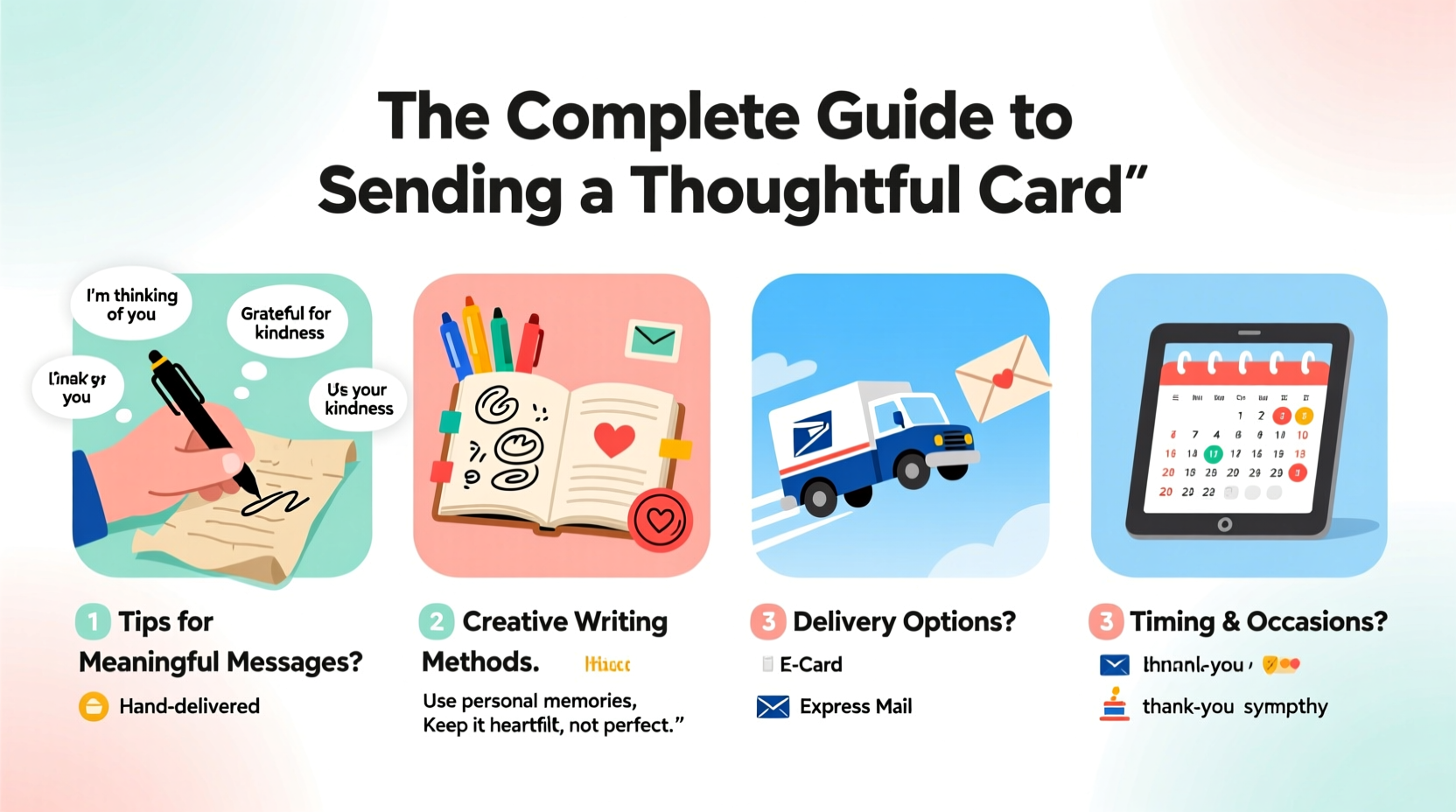
A card is more than paper and ink—it’s a symbol of care. Psychologists note that receiving personal mail activates regions of the brain associated with emotional reward and connection. According to Dr. Susan Whitbourne, a professor of psychology at the University of Massachusetts, “Physical tokens of affection, like handwritten notes, create stronger emotional imprints than digital communication because they require time, effort, and presence.”
When someone takes the time to select a card, write a message by hand, and mail it, they signal that the recipient matters enough to warrant more than a quick text. This small act fosters deeper relationships, strengthens bonds during difficult times, and preserves memories in a way screens cannot replicate.
“Handwritten cards are among the most underused yet powerful tools for human connection.” — Maria Popova, author and curator of Brain Pickings
Choosing the Right Card for the Occasion
The first step in sending a thoughtful card is selecting one that aligns with both the event and the recipient’s personality. A mismatched tone or overly generic design can dilute even the most heartfelt message.
| Occasion | Suitable Tone | Card Style Tips |
|---|---|---|
| Birthday | Cheerful, warm, playful (if appropriate) | Consider inside jokes or shared memories in design choice |
| Condolence | Respectful, sincere, quiet dignity | Avoid bright colors; opt for neutral tones and minimal text |
| Thank You | Grateful, specific, humble | Match card style to context—elegant for formal thanks, casual for friends |
| Congratulations | Joyful, proud, encouraging | Add flair—foil accents, uplifting imagery, or celebratory motifs |
| Thinking of You | Gentle, kind, empathetic | Simple designs with nature themes or soft colors work well |
Writing a Message That Resonates
The message inside the card determines its emotional weight. Even the most beautiful card loses meaning if the words feel hollow. To write something truly memorable, focus on specificity and sincerity.
- Begin with warmth: Use a personal greeting like “Dear Sarah” instead of “To whom it may concern” or vague terms like “Hey there.”
- Recall a memory or moment: Mention a shared experience, such as “I still laugh about our road trip when the GPS failed.”
- Express genuine emotion: Say “I’ve been thinking about you” rather than “Hope you’re doing okay.”
- Be specific in praise or gratitude: Instead of “Thanks for everything,” say “Your advice last month helped me make a tough decision.”
- Keep it concise but meaningful: Three to five sentences often strike the right balance between depth and readability.
Avoid clichés like “Time heals all wounds” in sympathy cards or “Have a blast!” for major life events. These phrases, while common, can come across as dismissive. Instead, acknowledge the complexity of emotions: “I can’t imagine what you’re going through, but I’m here for you.”
Mini Case Study: Reconnecting After Years
Lena hadn’t spoken to her college roommate in nearly a decade. After seeing a post about her friend’s recent recovery from surgery, she decided to send a card. She chose a simple watercolor design with a garden scene—something they’d both loved during late-night study breaks. Inside, she wrote: “I saw your update and immediately thought of our walks around campus. I’ve missed our talks. Wishing you strength and healing—and hoping we can catch up soon.”
Her friend later replied, saying it was the only message that didn’t feel rushed or superficial. They scheduled a call the following week and have since rekindled their friendship. The card wasn’t just a gesture; it was a bridge.
Delivery Options: When and How to Send
Even the most heartfelt card loses impact if it arrives too late—or never at all. Consider these delivery methods based on urgency, distance, and significance:
- Standard Mail (USPS First-Class): Ideal for non-urgent occasions. Most domestic letters arrive within 1–3 business days. Best for birthdays, thank-you notes, or seasonal greetings.
- Priority Mail: Guaranteed 1–3 day delivery. Use for time-sensitive cards like wedding congratulations or condolence notes when you're far away.
- Certified or Tracked Mail: Recommended for important cards where confirmation of delivery matters (e.g., legal acknowledgments or high-stakes personal messages).
- Hand-Delivery: The most personal option. Great for local friends, coworkers, or family. Adds immediacy and allows for a brief conversation.
- Digital Alternatives (Use Sparingly): E-cards or printed cards sent via photo-sharing apps lack tactile value but can be acceptable in emergencies or international cases where delays are expected.
Timeline for Sending Cards
To ensure your card arrives at the right moment, follow this general timeline:
- Birthdays: Mail 5–7 days in advance to arrive on or just before the date.
- Weddings: Send within two weeks of the event, especially if including a gift.
- Sympathy: Dispatch within a week of learning about the loss. Don’t wait for the funeral.
- Thank-You Notes: For gifts, respond within two weeks. For job interviews, send within 24–48 hours.
- Seasonal Greetings: Post by December 10th to avoid holiday mail delays.
Frequently Asked Questions
Should I handwrite the envelope?
Yes. Handwriting the address adds a personal touch and shows extra care. Use neat block letters or cursive you’re confident in. If handwriting is illegible, print neatly or use a label with handwritten flair.
What if I don’t know what to say?
Start with honesty. Phrases like “I’ve been meaning to reach out” or “I don’t have the perfect words, but I care” are powerful. Focus on the person, not perfection.
Can I send a card to someone I barely know?
Absolutely. A brief note to a coworker recovering from illness or a neighbor who helped you can strengthen community ties. Keep it warm and respectful without overstepping.
Checklist: Sending a Thoughtful Card in 6 Steps
- Choose the right card for the occasion and recipient.
- Write a sincere, personalized message using specific details.
- Sign your name clearly—consider adding a nickname or relationship term (“Love, Aunt Jen”).
- Handwrite the envelope with correct address and return information.
- Select the appropriate mailing method based on timing needs.
- Send it with intention—not obligation.
Conclusion: Make Your Mark One Card at a Time
In a world moving faster than ever, slowing down to write a card is a radical act of kindness. It says, “You mattered enough for me to pause, reflect, and reach out.” The effort resonates far beyond the page. Whether mending a relationship, honoring a loss, or celebrating joy, your words have the power to comfort, inspire, and connect.




 浙公网安备
33010002000092号
浙公网安备
33010002000092号 浙B2-20120091-4
Comments
No comments yet. Why don't you start the discussion?