
In an age dominated by digital payments, checks remain a trusted and necessary tool for many financial transactions. Whether you're paying rent, sending money to a contractor, or making a donation, knowing how to use a check properly ensures accuracy, security, and professionalism. Despite their decline in everyday use, checks are still widely accepted—and sometimes required—by institutions, small businesses, and government agencies. Understanding how to write, read, deposit, and safeguard checks is not just practical; it’s a fundamental part of financial literacy.
Understanding the Anatomy of a Check
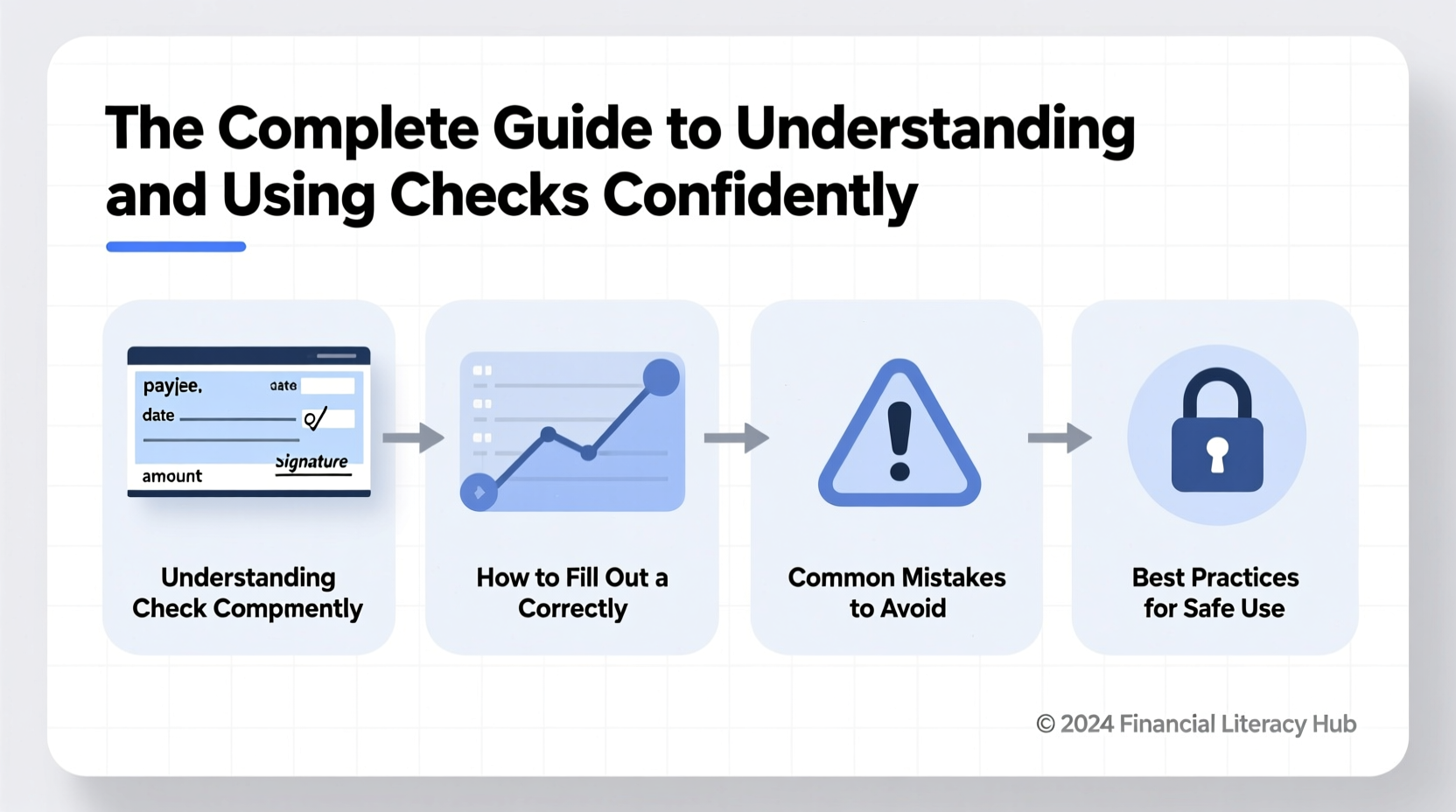
A standard personal check contains several key components, each serving a specific purpose. Familiarizing yourself with these elements helps prevent errors and enhances your ability to verify legitimacy when receiving checks.
| Component | Description | Why It Matters |
|---|---|---|
| Routing Number | The nine-digit code identifying your bank. | Ensures funds are drawn from the correct financial institution. |
| Account Number | Your unique bank account identifier. | Specifies which account the payment comes from. |
| Check Number | Sequential number printed on each check. | Helps track issued checks and detect fraud. |
| Payee Line | Where you write the recipient’s name. | Identifies who can cash or deposit the check. |
| Amount in Numbers & Words | Dollar amount written numerically and in words. | Reduces ambiguity and prevents alteration. |
| Date Line | When the check was issued. | Prevents premature cashing; useful for post-dating. |
| Signature Line | Your authorized signature. | Validates the check; without it, it’s invalid. |
| Memo Line | Optional notes (e.g., “rent,” “invoice #123”). | Provides context for the payment. |
How to Write a Check Correctly
Writing a check may seem outdated, but doing it correctly matters. A single error can delay payment or result in fees. Follow this step-by-step process to ensure accuracy.
- Date the check: Write today’s date unless intentionally post-dating for future clearance.
- Write the payee’s name: Be precise—use full legal names or business names as they appear on bank records.
- Enter the amount numerically: In the box next to the dollar sign, write the amount in numbers (e.g., 150.75).
- Write the amount in words: On the next line, spell out the amount (e.g., “One hundred fifty and 75/100”). This prevents tampering.
- Sign the check: Use the same signature on file with your bank. Unsigned checks are invalid.
- Fill in the memo line (optional): Note the purpose of the check for your own records.
“Even in the digital era, checks serve as a legally binding payment instrument. Precision in filling them out protects both payer and payee.” — Lisa Tran, Certified Financial Educator
Avoiding Common Check-Writing Mistakes
Errors on checks are more than inconvenient—they can expose you to fraud or cause payment delays. Here are frequent missteps and how to avoid them.
- Leaving blanks: Never leave spaces after writing the amount in words. Draw a line through any remaining space to prevent additions.
- Using pencil or erasable ink: Always use permanent ink. Alterations raise red flags and may invalidate the check.
- Signing before filling other fields: Sign only after completing all information to reduce theft risk.
- Post-dating without agreement: While legal, post-dated checks aren’t always honored. Inform the recipient if you rely on this practice.
- Forgetting to record the transaction: Update your check register or budget app immediately to avoid overdrafts.
Depositing and Cashing Checks Safely
Whether you’re receiving a paycheck, tax refund, or gift, knowing how to handle incoming checks securely is essential. The method you choose—mobile deposit, ATM, or teller—impacts speed and safety.
Step-by-Step: Depositing a Check via Mobile App
- Endorse the check by signing the back.
- Open your bank’s mobile app and select “Deposit Check.”
- Enter the amount and select the account.
- Take clear photos of the front and back.
- Submit and wait for confirmation.
- Store the physical check securely for 14 days before shredding.
Mobile deposits are convenient but come with limits. Most banks cap daily or per-check amounts. If your check exceeds the limit, visit a branch or ATM.
Real Example: A Freelancer’s Payment Experience
Jamal, a freelance graphic designer, received a $1,200 check from a new client. He used his bank’s mobile deposit feature but accidentally entered $1,020. The system flagged the discrepancy, and the deposit was delayed. After contacting customer service and resubmitting, he learned that even small input errors trigger fraud alerts. Now, Jamal double-checks the amount twice before submitting and keeps a photo of every check until funds clear.
Security and Fraud Prevention
Checks contain sensitive financial data. A stolen or altered check can lead to unauthorized withdrawals. Protect yourself with these practices.
- Use secure mailing: Send checks via tracked mail or hand-deliver when possible.
- Shred voided checks: Never discard unused checks in the trash.
- Monitor your account: Set up alerts for check clearing and unusual activity.
- Report lost or stolen checks immediately: Contact your bank to stop payment (may incur a fee).
- Consider digital alternatives: For recurring payments, use ACH transfers or bill pay services instead.
“Over 10 million checks are forged or altered annually in the U.S. alone. Simple precautions like endorsing checks only when ready to deposit can drastically reduce risk.” — National Consumer Law Center
Frequently Asked Questions
Can I cash a check without a bank account?
Yes, but options are limited. You can visit the issuing bank (they may charge a fee), use a check-cashing store (fees vary), or go to certain retail stores like Walmart or grocery chains that offer check-cashing services.
How long is a check valid?
Most banks honor checks for up to six months (180 days). After that, they are considered “stale-dated” and may be refused. Some exceptions apply for government or payroll checks, which can remain valid longer.
What happens if I overdraw my account with a check?
If there are insufficient funds, the check will bounce. Your bank may charge a non-sufficient funds (NSF) fee, and the payee might also impose penalties. Repeated incidents can lead to account closure or reporting to consumer bureaus.
Final Checklist: Using Checks Confidently
- ✅ Always use black or blue ink
- ✅ Write amounts in words and numbers clearly
- ✅ Sign only after completing all fields
- ✅ Record every check in your register
- ✅ Store unused checks securely
- ✅ Monitor your account for cleared checks
- ✅ Report discrepancies immediately
Conclusion
Checks may no longer dominate daily transactions, but they remain a vital financial instrument for specific situations. From rent payments to business invoices, knowing how to write, receive, and protect checks empowers you to manage your finances with confidence and precision. By following best practices—accurate completion, careful endorsement, and vigilant monitoring—you minimize errors and reduce exposure to fraud. As digital banking evolves, the fundamentals of check usage endure. Master them, and you’ll navigate both traditional and modern finance with ease.




 浙公网安备
33010002000092号
浙公网安备
33010002000092号 浙B2-20120091-4
Comments
No comments yet. Why don't you start the discussion?