
Moving to a new home or changing your residence is an exciting milestone, but one critical step often gets overlooked: updating your mailing address. A failure to do so can result in missed bills, delayed tax refunds, lost paychecks, and even identity theft. Whether you're relocating across town or across the country, ensuring that your mail follows you is essential for maintaining financial stability, legal compliance, and personal security.
This comprehensive guide walks you through every aspect of updating your mailing address—from official government agencies to private services—while prioritizing data protection and minimizing disruptions.
Why Updating Your Address Matters
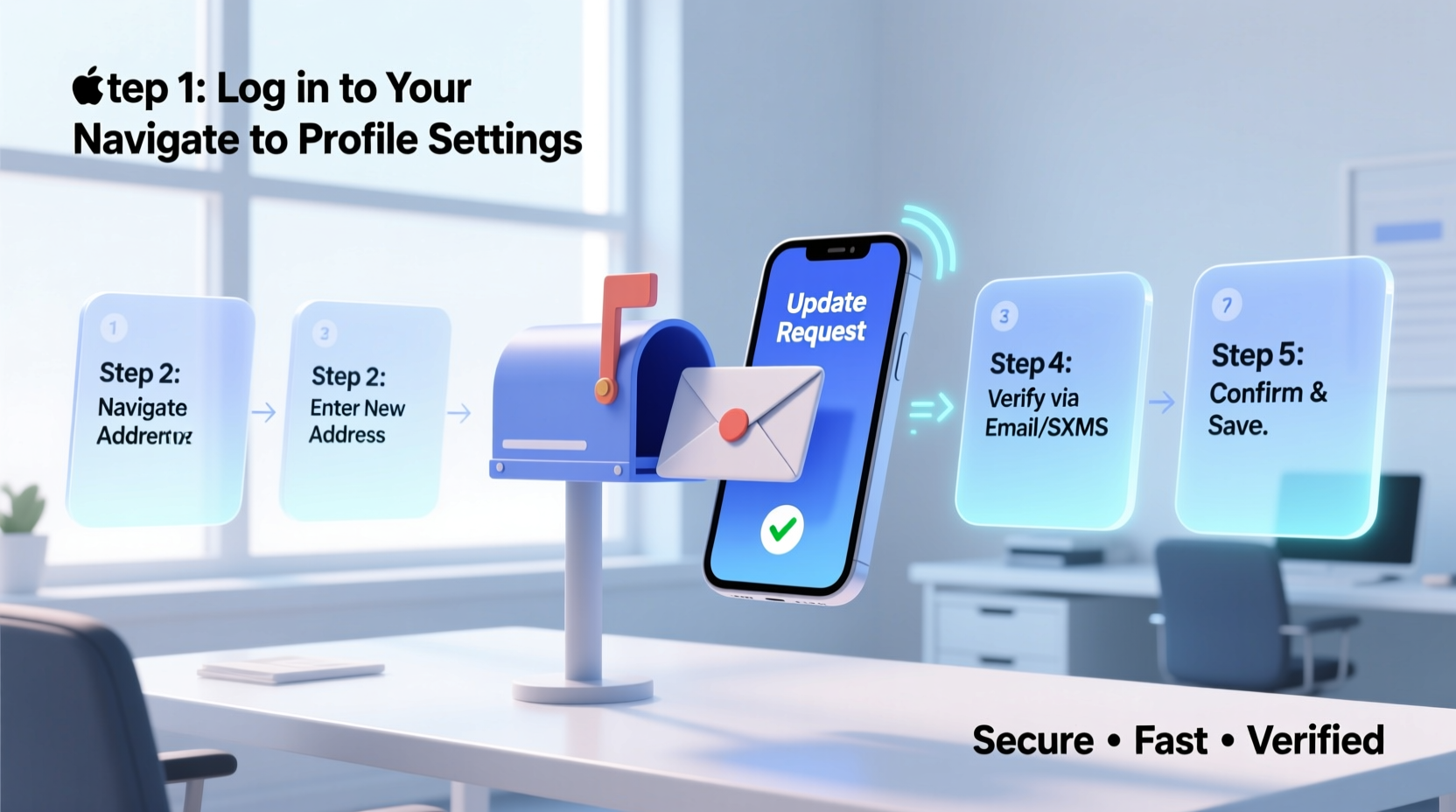
Your mailing address is more than just a location; it's a key component of your personal and financial identity. Banks, employers, healthcare providers, and government institutions rely on accurate address records to communicate with you. When these systems fall out of sync, consequences can range from inconvenient to severe.
- Missed important documents: Tax forms, medical test results, or legal notices may never reach you.
- Credit score impact: Unpaid bills due to undelivered statements can hurt your credit history.
- Identity theft risk: Old addresses left unsecured can be exploited by fraudsters.
- Service interruptions: Utilities, subscriptions, and insurance policies may be canceled without updated contact details.
Step-by-Step Guide to Changing Your Mailing Address
Changing your address isn’t a single action—it’s a coordinated process involving multiple entities. Follow this timeline-based approach for a seamless transition.
- 4 Weeks Before Move: Compile a list of all organizations you need to notify (see checklist below).
- 2 Weeks Before Move: Submit a change-of-address request with the United States Postal Service (USPS) online or in person.
- 1 Week Before Move: Notify banks, insurers, and subscription services directly via secure portals or phone.
- Move Day: Confirm forwarding has started and verify delivery of a test piece of mail at your new location.
- 1–2 Weeks After Move: Audit your mailbox for misrouted mail and follow up with any laggard institutions.
How to File a USPS Change of Address
The U.S. Postal Service offers a reliable mail-forwarding service for up to 12 months. To file:
- Visit USPS Mover’s Guide.
- Choose between individual, family, or business forwarding.
- Enter your old and new addresses, along with move date.
- Verify your identity using a government-issued ID (required for online filing).
- Pay the $1.10 identity verification fee (credit/debit only).
Note: This service forwards most first-class mail and periodicals but does not apply to catalogs, advertisements, or packages from private carriers like FedEx or UPS unless shipped via USPS.
Essential Address Update Checklist
Use this checklist to ensure no organization slips through the cracks. Mark each off as completed.
- United States Postal Service (USPS)
- Social Security Administration
- Internal Revenue Service (IRS)
- State Department of Motor Vehicles (DMV)
- Bank accounts and credit card issuers
- Employer and payroll provider
- Health insurance and medical providers
- Utility companies (electric, water, gas, internet)
- Rental or mortgage company
- Subscription services (streaming, meal kits, magazines)
- Online shopping accounts (Amazon, eBay)
- Voter registration office
- Pet microchip registry
- Professional licenses and associations
Avoiding Common Mistakes: Do’s and Don’ts
Even well-intentioned efforts can go awry if proper precautions aren’t taken. Refer to this table when managing your address updates.
| Do’s | Don’ts |
|---|---|
| Notify the IRS and state tax agency to avoid refund delays. | Assume automatic forwarding covers all mail types (e.g., checks, packages). |
| Update your DMV record to comply with state laws and renew licenses smoothly. | Share your new address publicly on social media before moving. |
| Use secure channels (HTTPS websites, verified phone numbers) when submitting changes. | Forget to update digital wallets or mobile payment apps linked to your address. |
| Confirm updates with a follow-up call or email receipt. | Delay updating voter registration—deadlines vary by state. |
Real Example: How One Delayed Update Caused Financial Trouble
When Sarah Thompson relocated from Denver to Phoenix, she filed her USPS change of address but neglected to update her health insurer. Two months later, a critical letter regarding an appeal for denied coverage was sent to her old apartment. The landlord forwarded it, but by then, the 30-day appeal window had expired. She was forced to pay $2,800 out of pocket for a procedure she believed was covered.
After resolving the issue, Sarah learned that insurers are not part of the USPS forwarding network for sensitive documents. She now keeps a digital address update template and completes all notifications within one week of any move.
“Updating your address isn’t just about receiving mail—it’s a foundational act of financial hygiene.” — James Lin, Consumer Protection Advocate at the National Consumer Law Center
Frequently Asked Questions
Does USPS forward all my mail automatically?
No. USPS forwards First-Class Mail, periodicals, and some packages, but it does not forward marketing mail, catalogs, or premium-rate shipments from private couriers. You must proactively inform each sender.
Can I update my address with the IRS online?
Yes. Individuals can submit Form 8822 (Change of Address) electronically through the IRS Direct File portal or mail a printed copy. Businesses use Form 8822-B. Always confirm receipt with a follow-up call.
How long does address forwarding last?
USPS mail forwarding lasts 12 months for individuals and up to 1 year for businesses. You can choose shorter durations (e.g., 15 days to 6 months) during setup. Extensions require reapplication.
Securing Your Personal Information During the Transition
Every address change involves sharing sensitive data. Protect yourself by following cybersecurity best practices:
- Only use encrypted websites (look for “https://” and a padlock icon).
- Avoid public Wi-Fi when submitting personal information.
- Shred documents containing your old address before disposal.
- Monitor bank and credit statements for suspicious activity post-move.
Consider placing a fraud alert on your credit file during relocation—a common time for identity theft. You can do this free of charge via one of the three major credit bureaus (Equifax, Experian, TransUnion), which will notify the others.
Conclusion: Take Control of Your Address Today
Updating your mailing address is not a one-step formality—it’s a proactive measure that safeguards your finances, health, and legal standing. By systematically notifying institutions, leveraging USPS forwarding, and protecting your data, you ensure a smooth transition to your new chapter.




 浙公网安备
33010002000092号
浙公网安备
33010002000092号 浙B2-20120091-4
Comments
No comments yet. Why don't you start the discussion?