
Laundry day doesn’t have to mean loading up on synthetic detergents and fabric softeners filled with unpronounceable chemicals. For decades, vinegar and baking soda have served as trusted allies in the pursuit of clean, soft, and odor-free clothing. When used correctly, these two household staples can lift stains, neutralize odors, brighten fabrics, and extend the life of your garments—all while being gentle on skin and the environment.
This guide dives deep into the science, safety, and practical application of using vinegar and baking soda in your laundry routine. Whether you're dealing with stubborn sweat smells, dingy whites, or hard water buildup, this method offers a natural, cost-effective alternative that delivers real results.
The Science Behind Vinegar and Baking Soda in Laundry
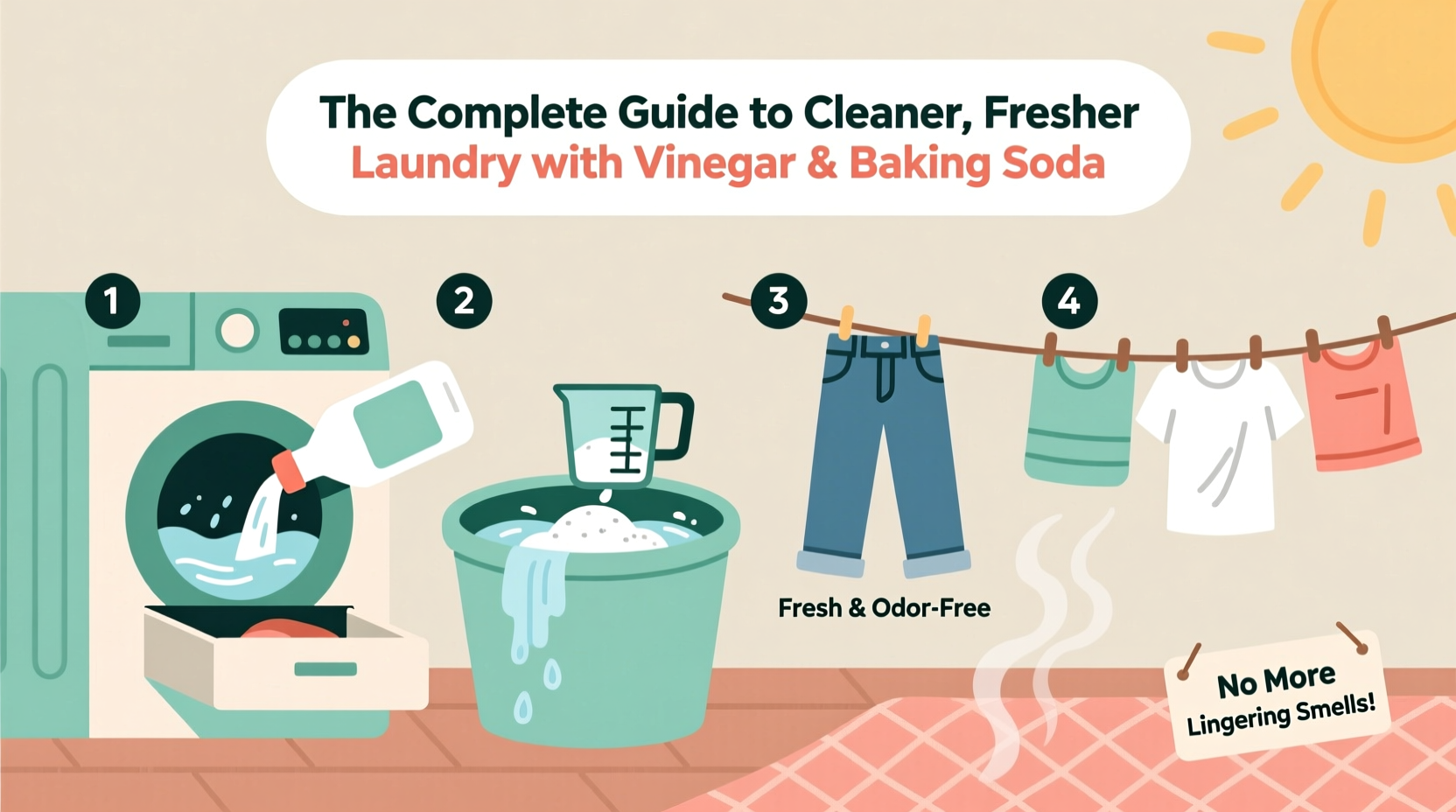
Vinegar (specifically white distilled vinegar) is acidic, with a pH around 2.5. This acidity helps break down alkaline residues like soap scum, mineral deposits from hard water, and organic matter such as sweat and bacteria. It also acts as a natural fabric softener by dissolving detergent buildup that stiffens fibers over time.
Baking soda, or sodium bicarbonate, is mildly alkaline (pH ~8.3). It works as a buffer, helping to maintain a balanced pH in the wash water, which enhances cleaning power. Baking soda also absorbs odors, lifts dirt from fabric, and gently scrubs away grime without damaging fibers.
While mixing vinegar and baking soda creates a fizzing reaction due to acid-base chemistry, that foam dissipates quickly and loses its cleaning potency if not timed properly. The key is not to combine them directly in the drum but to use them in sequence—baking soda during the wash cycle, vinegar during the rinse.
“Vinegar and baking soda aren’t just kitchen ingredients—they’re effective cleaning agents when used strategically in laundry.” — Dr. Linda Nguyen, Environmental Chemist and Sustainable Living Researcher
Step-by-Step: How to Wash Clothes with Vinegar and Baking Soda
Follow this optimized process to get the most out of natural laundry care:
- Sort your laundry by color, fabric type, and soil level. Keep heavily soiled items separate.
- Add baking soda to the drum before loading clothes. Use ½ cup for regular loads, ¾ cup for large or very dirty loads.
- Load clothes loosely to allow water circulation. Overloading reduces cleaning efficiency.
- Start the wash cycle with warm or hot water (depending on fabric care labels).
- Add vinegar during the rinse cycle. Pour ½ cup of white vinegar into the fabric softener dispenser or directly into the rinse compartment. If your machine doesn’t auto-dispense, add it manually when the rinse begins.
- Air-dry when possible to preserve fabric integrity and avoid heat-related shrinkage or stiffness.
What Vinegar and Baking Soda Can (and Can’t) Do
Understanding the capabilities and limitations of these ingredients prevents misuse and sets realistic expectations.
| Function | Vinegar Effectiveness | Baking Soda Effectiveness |
|---|---|---|
| Odor Removal | Excellent – neutralizes sour, musty, and sweat smells | Very Good – absorbs odors during wash |
| Stain Lifting | Fair – helps with deodorizing but limited on set-in stains | Good – boosts detergent action on oily/grimy stains |
| Whitening | Moderate – removes yellowing from sweat and minerals | Good – helps brighten whites over time |
| Fabric Softening | Excellent – eliminates stiffness from residue buildup | Poor – no softening effect alone |
| Detergent Booster | Poor – shouldn't replace detergent entirely | Good – enhances cleaning power of mild detergents |
For best results, pair vinegar and baking soda with a small amount of plant-based detergent, especially on greasy or heavily soiled clothes. They are enhancers, not full replacements, in most cases.
Real Example: Reviving Musty Towels
Sarah had a set of cotton bath towels that started smelling sour after several months of regular washing. Despite using detergent and dryer sheets, the odor persisted. She decided to try a natural fix.
She washed the towels with ½ cup baking soda in the drum and added ½ cup white vinegar to the rinse cycle. She used hot water and skipped the dryer sheet. After air-drying outdoors, the towels were noticeably softer and completely odor-free. Three repeat washes later, they looked brighter and fluffier than they had in years.
Her success came from targeting the root cause: bacterial growth and detergent buildup trapped in the fibers. The baking soda lifted the grime; the vinegar killed odor-causing microbes and dissolved residue.
Common Mistakes to Avoid
- Mixing vinegar and baking soda in the same cycle phase: Doing so causes premature neutralization, reducing effectiveness.
- Using vinegar on delicate silks or wool: Acidic vinegar can damage protein-based fibers. Spot test first or avoid altogether.
- Overloading the machine: Crowded clothes don’t agitate well, limiting contact with cleaning agents.
- Skipping the rinse addition: Adding vinegar only at the beginning wastes its softening and deodorizing potential during the final rinse.
- Using apple cider vinegar instead of white: The color and additives in ACV may stain fabrics.
Laundry Checklist: Natural Cleaning Routine
Use this checklist each time you do laundry with vinegar and baking soda:
- ✅ Sort clothes by color and fabric
- ✅ Measure ½ cup baking soda (adjust for load size)
- ✅ Add baking soda to the drum before clothes
- ✅ Start wash cycle with appropriate water temperature
- ✅ Prepare ½ cup white vinegar for rinse phase
- ✅ Add vinegar to fabric softener dispenser or during rinse
- ✅ Air-dry or tumble dry on low heat
- ✅ Clean dispensers monthly to prevent clogs from residue
Frequently Asked Questions
Will my clothes smell like vinegar after washing?
No. The acetic acid in vinegar dissipates completely during the rinse and dry cycles. Once dried, clothes will have a clean, neutral scent—often fresher than when using perfumed detergents.
Can I use this method in high-efficiency (HE) machines?
Yes, but with caution. Use half the recommended amounts (¼ to ⅓ cup baking soda, ¼ to ½ cup vinegar) to avoid excess suds or residue. Always follow your machine’s manual regarding additives.
Is it safe for colored clothes?
Yes, white distilled vinegar is color-safe for most fabrics. However, always test on a hidden seam first, especially with dark or vibrant dyes. Avoid vinegar on silk, rayon, or leather.
Final Thoughts: A Smarter Way to Do Laundry
Washing clothes with vinegar and baking soda isn’t a trendy hack—it’s a return to simple, effective cleaning grounded in chemistry and practicality. You’ll reduce reliance on synthetic fragrances, cut down on plastic waste from detergent bottles, and often achieve better results than conventional products.
More importantly, you gain control over what touches your skin every day. With minimal cost and effort, this method supports healthier homes, softer clothes, and a lighter environmental footprint.




 浙公网安备
33010002000092号
浙公网安备
33010002000092号 浙B2-20120091-4
Comments
No comments yet. Why don't you start the discussion?