
Decorative pillowcases are more than just functional—they elevate the style of any living space, bedroom, or sofa with texture, color, and personality. Yet their beauty often comes at a cost: delicate fabrics, intricate trims, and vibrant dyes that can fade or fray if not cleaned properly. Many people hesitate to wash them at all, leading to dust buildup, odors, and long-term deterioration. The truth is, you don’t have to choose between pristine appearance and cleanliness. With the right approach, you can keep your decorative pillowcases looking fresh, vibrant, and intact for years.
Understanding Your Pillowcase Material
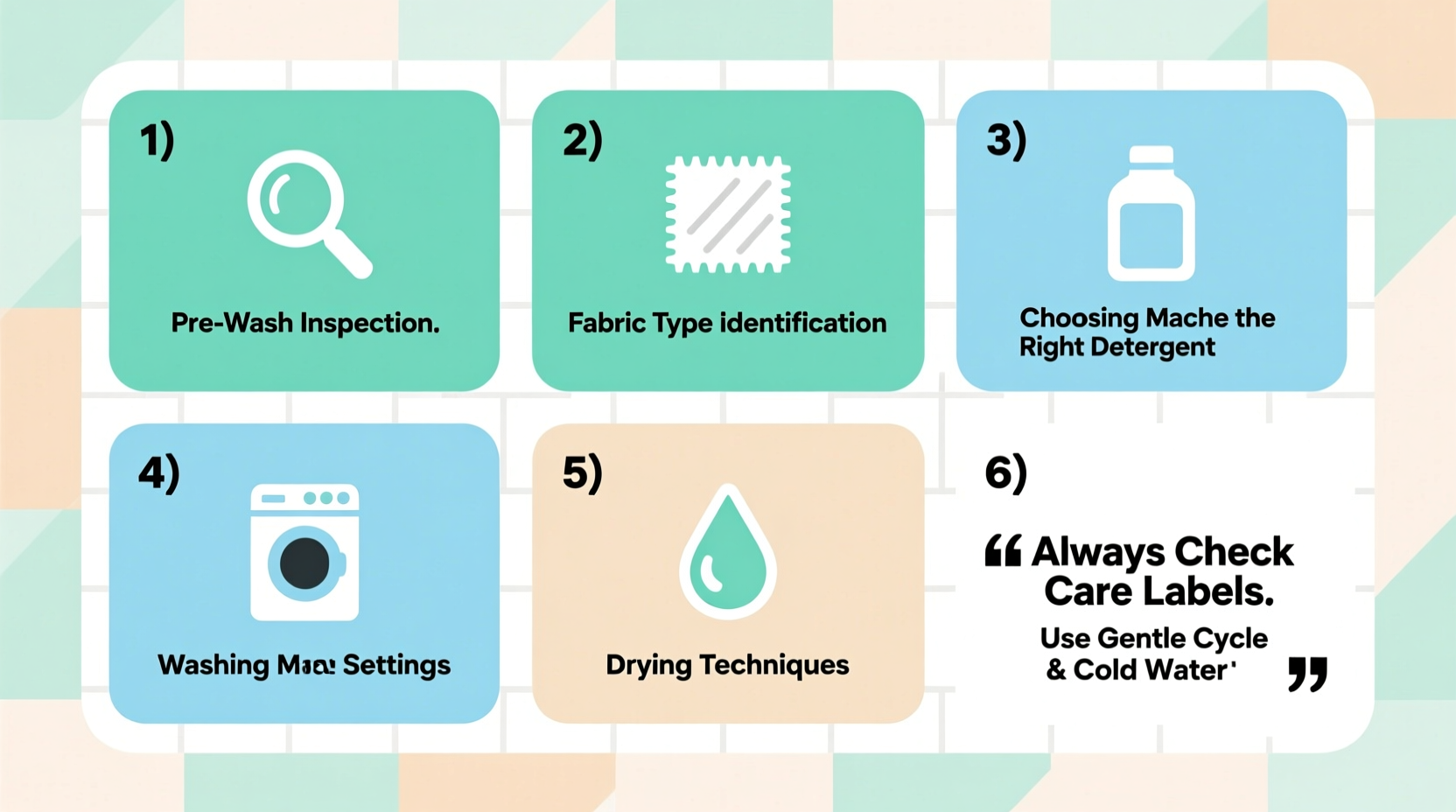
Before any cleaning begins, identifying the fabric type is essential. Different materials react differently to water, detergents, and mechanical agitation. Common materials used in decorative pillowcases include:
- Cotton blends: Durable and generally machine-washable but may shrink if exposed to high heat.
- Silk: Luxurious and delicate; requires hand washing or dry cleaning to prevent snags and loss of sheen.
- Linen: Naturally breathable and strong when wet, but prone to wrinkling and fading in direct sunlight.
- Velvet or velour: Soft and rich in texture, but can mat or crush under heavy pressure or incorrect drying.
- Polyester or synthetic blends: Often more stain-resistant and easier to care for, but may retain odors if not thoroughly rinsed.
Always check the care label first. If one isn't present, examine the fabric closely and consider doing a spot test on an inconspicuous area before full cleaning.
Step-by-Step Guide to Washing Decorative Pillowcases Safely
Follow this detailed process to clean your pillowcases without compromising their integrity:
- Remove inserts immediately. Always take out the pillow insert before washing. Most inserts are not washable and can develop mildew if damp.
- Inspect for damage. Look for loose threads, broken zippers, or frayed edges. Mend minor issues before washing to prevent worsening.
- Turn pillowcases inside out. This protects surface details like embroidery, beading, or prints from friction during washing.
- Pre-treat stains gently. Use a mild detergent mixed with water and dab (don’t rub) onto stained areas. Let sit for 5–10 minutes.
- Choose the right washing method:
- Machine wash: Only for sturdy cotton or polyester blends. Use a mesh laundry bag, cold water, and gentle cycle.
- Hand wash: Ideal for silk, velvet, linen, or embellished cases. Fill a basin with cool water and a drop of pH-neutral detergent.
- Rinse thoroughly. Residual soap can attract dirt and degrade fibers over time. Rinse until water runs clear.
- Press out excess water. Do not wring. Instead, lay the case flat on a clean towel, roll it up, and press gently to absorb moisture.
- Dry appropriately. Air-dry flat away from direct sunlight. Avoid hanging, which can stretch the fabric out of shape.
- Iron or steam with caution. Use low heat and a pressing cloth, especially for silk or decorated surfaces.
Do’s and Don’ts: Care Comparison Table
| Fabric Type | Do’s | Don’ts |
|---|---|---|
| Cotton Blend | Machine wash cold, use mild detergent, tumble dry low | Avoid bleach, high heat, overloading washer |
| Silk | Hand wash or dry clean, air dry flat, store folded | No wringing, no direct sun drying, no alkaline soaps |
| Linen | Wash in cool water, iron while damp, rotate usage | Avoid chlorine bleach, don’t hang when wet |
| Velvet | Spot clean first, use steamer for wrinkles, store flat | No machine drying, avoid rubbing, never iron directly |
| Embellished (beads, sequins) | Use mesh bag, gentle cycle, hand-launder preferred | Avoid twisting, harsh detergents, or dryer exposure |
Expert Insight: Why Gentle Care Matters
Textile preservation goes beyond aesthetics—it's about respecting craftsmanship and extending usability. According to Dr. Lena Peterson, textile conservator at the National Home Furnishings Archive:
“Most decorative pillowcases are made with artistic intent. Aggressive cleaning removes not just dirt, but also the subtle finish and luster that define their appeal. Hand washing in filtered water with a silk-safe detergent preserves both fiber strength and visual depth.” — Dr. Lena Peterson, Textile Conservator
This philosophy applies even to non-silk items. Treating each piece as a curated object encourages mindful maintenance and prevents irreversible damage.
Real Example: A Cautionary Tale
Sarah, an interior designer in Portland, once washed a set of vintage embroidered linen pillowcases in her regular load. She assumed “linen is tough” and used warm water with a standard detergent. After drying, she noticed the embroidery had puckered, the fabric had yellowed slightly, and two buttons had cracked. Upon inspection, she realized the thread was hand-dyed and sensitive to pH changes. Since then, she hand-washes all custom pieces in distilled water with a drop of baby shampoo and always tests new detergents on a seam allowance first. Her clients now praise the longevity of her designs.
Essential Checklist for Safe Washing
Use this checklist every time you prepare to wash a decorative pillowcase:
- ✅ Remove pillow insert
- ✅ Check care label or fabric type
- ✅ Inspect for loose seams or embellishments
- ✅ Turn inside out
- ✅ Pre-treat stains gently
- ✅ Choose appropriate method (hand wash vs. machine)
- ✅ Use mild, pH-balanced detergent
- ✅ Wash in cold water with minimal agitation
- ✅ Air-dry flat, away from sunlight
- ✅ Store properly after drying (folded, not compressed)
Frequently Asked Questions
How often should I wash decorative pillowcases?
Every 3 to 6 months under normal use. High-touch areas (like sofa pillows) may need cleaning every 6–8 weeks. If exposed to spills, smoke, or pets, wash sooner. Regular airing out between washes helps extend cleanliness.
Can I use vinegar or baking soda to clean delicate pillowcases?
Not recommended for silks, velvets, or embellished fabrics. While vinegar can help remove odors and soften water, its acidity may weaken protein fibers like silk. Baking soda is abrasive and can scratch delicate surfaces. Stick to gentle, formulated detergents designed for delicates.
What should I do if my pillowcase shrinks after washing?
Some natural fibers like cotton and linen naturally relax and may appear smaller after washing. To restore shape, gently stretch the damp fabric back into form and lay flat to dry. In the future, avoid hot water and high dryer heat. For severe shrinkage, consult a professional textile restorer.
Final Thoughts: Preserve Beauty Through Mindful Care
Decorative pillowcases are investments in comfort and design. Their value lies not only in appearance but in the atmosphere they create within a space. By treating them with the attention they deserve—reading labels, choosing gentle methods, and avoiding rushed decisions—you protect both their physical condition and emotional impact. Clean doesn’t have to mean compromised. With patience and proper technique, your pillowcases can remain vibrant, soft, and structurally sound through countless seasons.




 浙公网安备
33010002000092号
浙公网安备
33010002000092号 浙B2-20120091-4
Comments
No comments yet. Why don't you start the discussion?